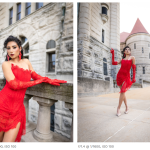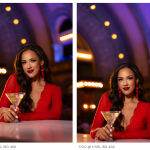
Article Summary: Maximize One Shooting Location for Multiple Client Looks
This piece by photographer Sal Cincotta addresses a core pain point for portrait creators: the hassle of sourcing numerous separate venues to deliver diverse photos for clients. Its central argument is that dramatic shifts in portrait mood and style do not rely on switching locations—adjusting lighting is the key to unlocking distinct visual looks within a single space.
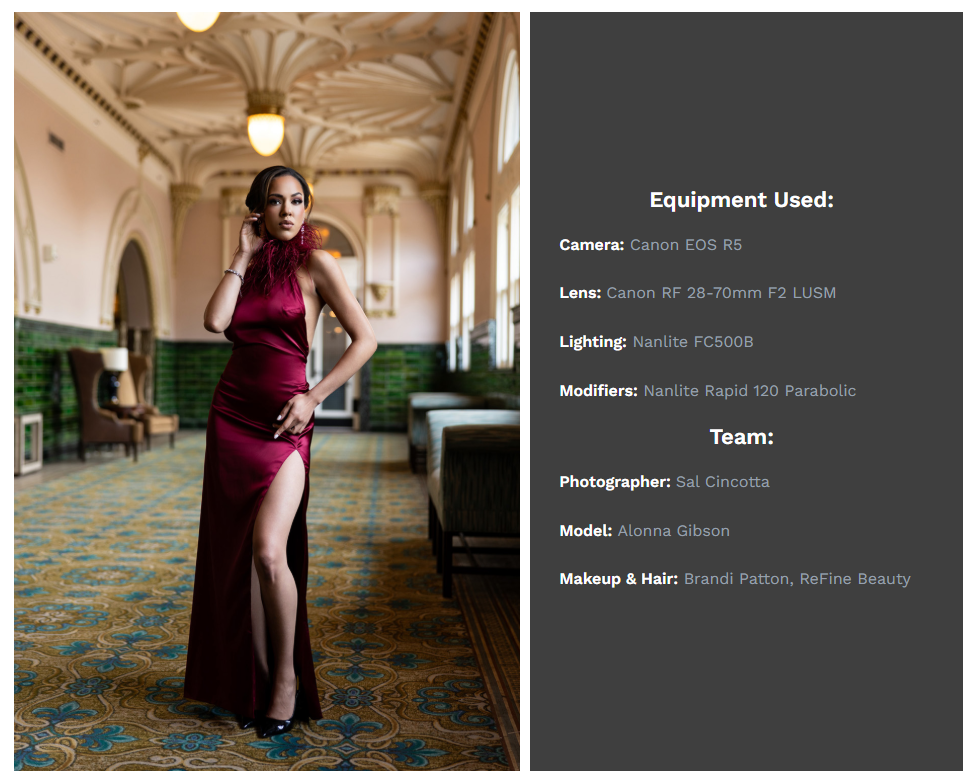
The tutorial uses a historic corridor shoot with model Alonna Gibson, shot on Canon EOS R5 paired with Canon RF 28-70mm F2 L USM, and lit by Nanlite FC500B plus Nanlite Rapid 120 Parabolic modifier as a full practical case study. The workflow is split into two clear stylistic phases built in the identical hallway.
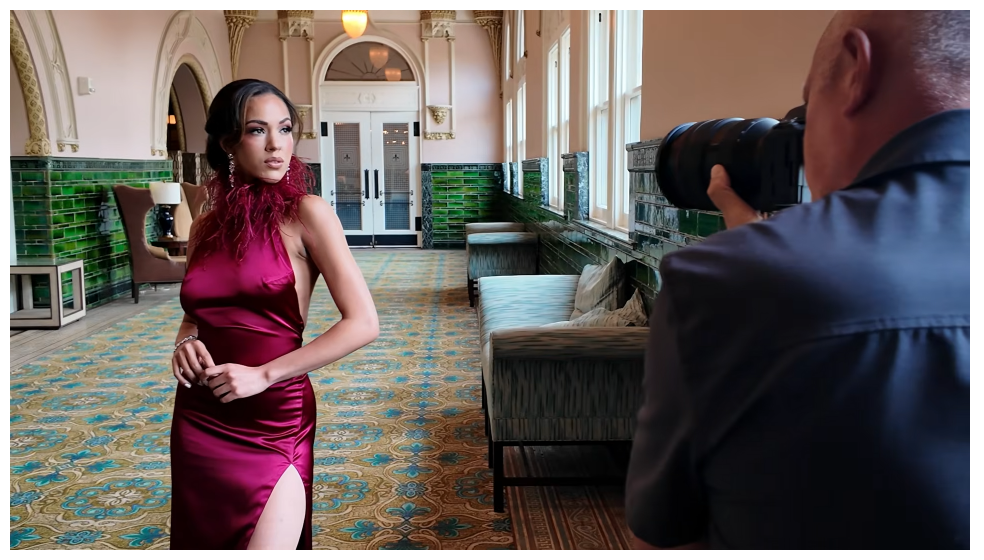
The first phase leverages available natural window light for soft, editorial-style portraits. Photographers need to seek directional window illumination rather than flat even brightness, and tweak framing and subject placement to clear distracting background clutter. Natural light delivers cohesive, timeless imagery, yet it often flattens the frame since the subject and background share identical light values.
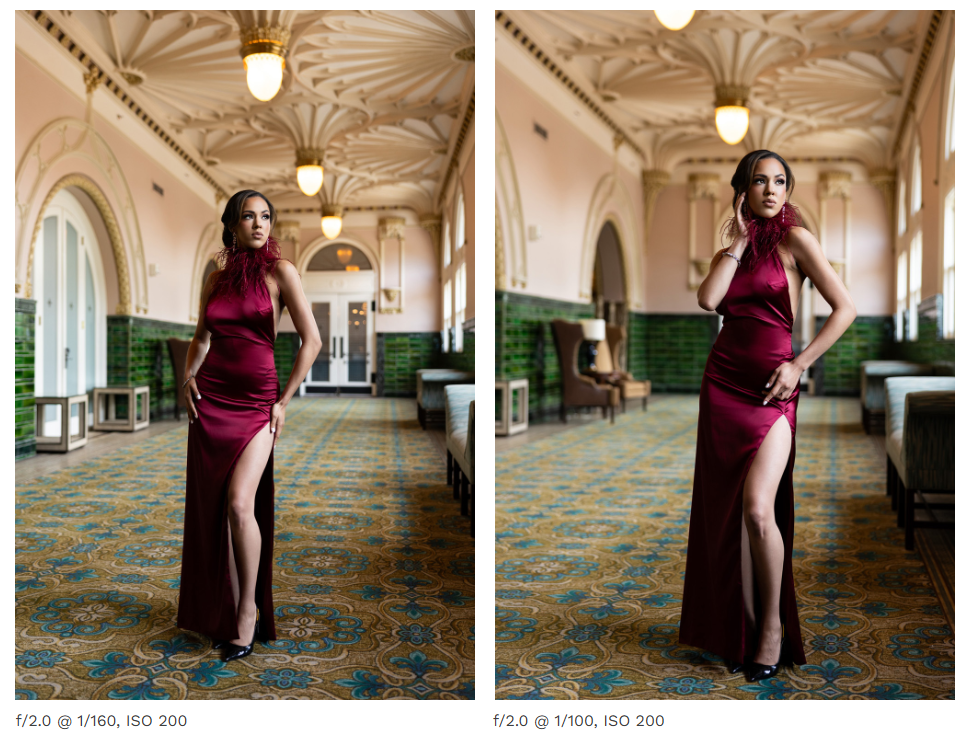
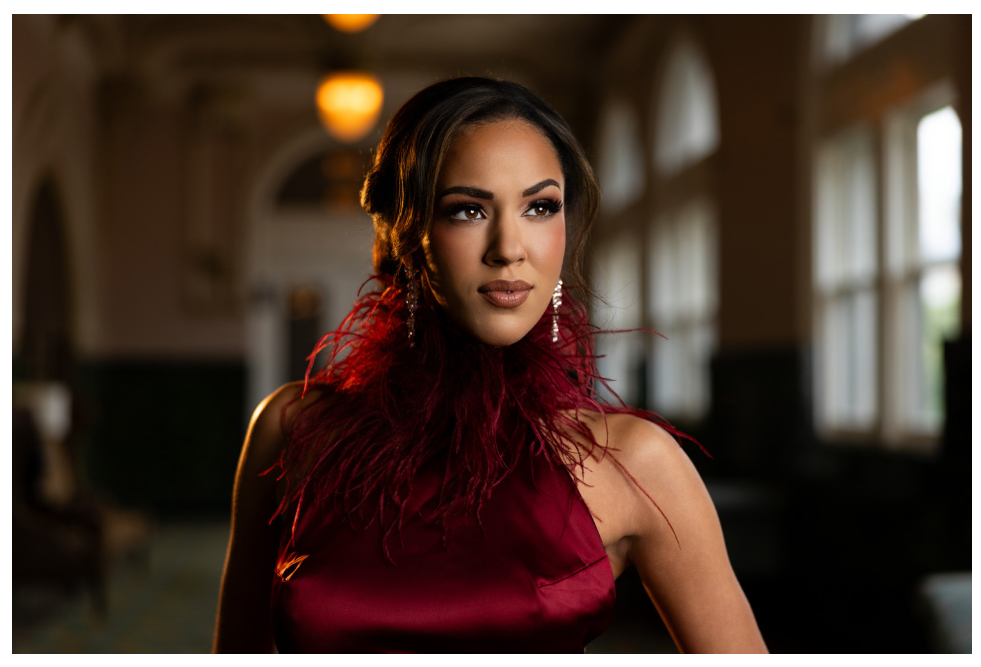
The second phase introduces continuous artificial lighting to craft a cinematic, high-separation aesthetic. The photographer lowers camera exposure to dim ambient room light, then layers two light sources: a key light with neutral daylight tone to illuminate the model’s face, plus a warmer back edge light to carve the subject away from background architectural fixtures like chandeliers. A major perk of continuous lighting is real-time visual feedback; tweaks to brightness or position show results instantly without flash trial-and-error, even in dim indoor environments.
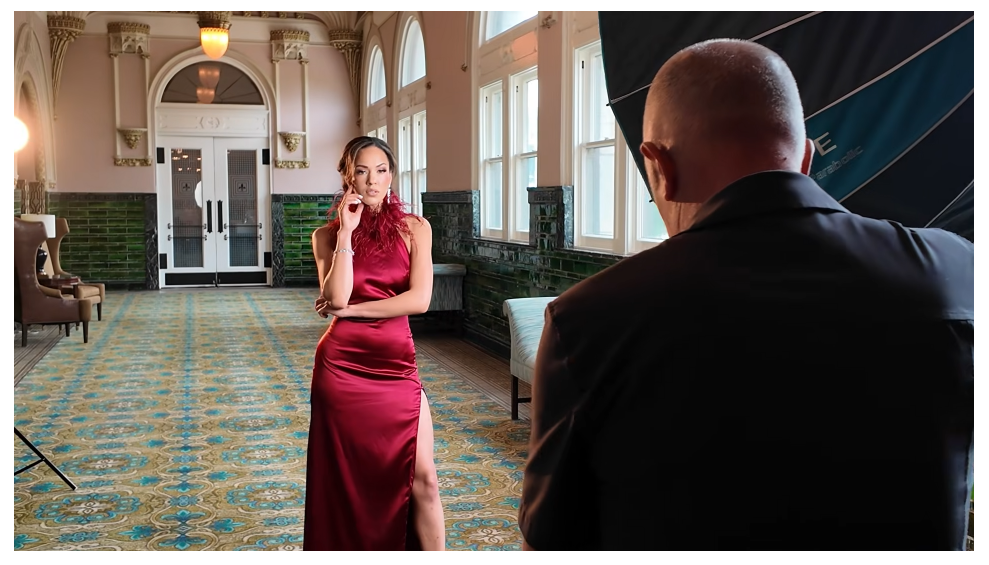
By switching only between natural available light and controlled continuous lighting, photographers can present clients with two fully distinct photo series from one location, creating the illusion of separate shooting spaces. This strategy drastically cuts venue-scouting time, streamlines shooting workflows, and expands the variety of final gallery deliverables without extra travel or location fees. The article closes by encouraging photographers to experiment with multiple lighting schemes at every venue they book to maximize creative output per session.