DPReview Sony DSC-RX1R III Review Summary
The Sony RX1R III scores 88% overall, priced at $5099 in the US, and it’s the smallest lightweight full-frame fixed prime compact camera on the market, targeting street and portrait
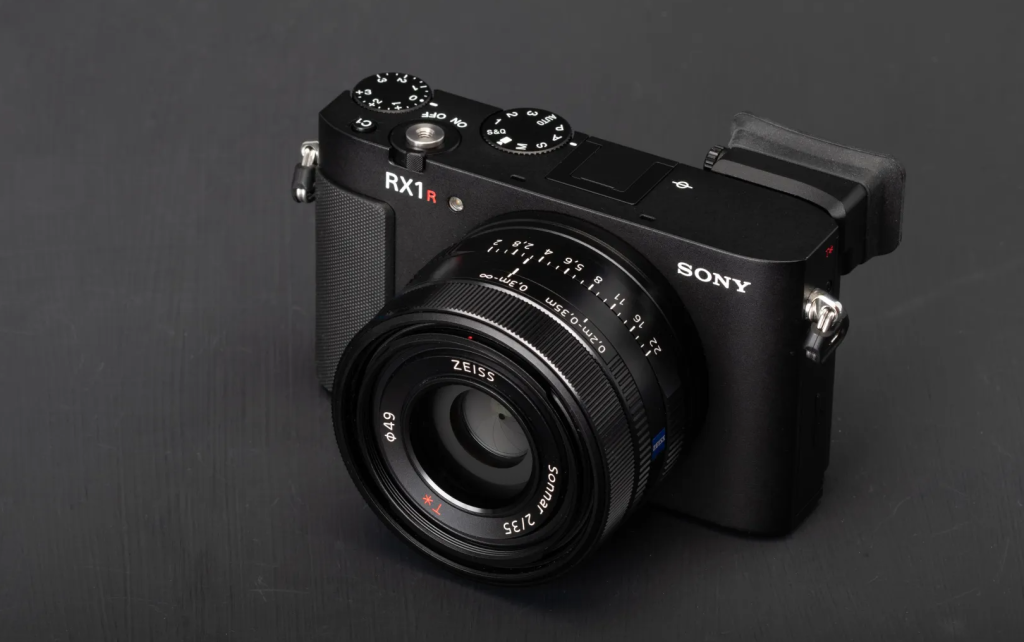
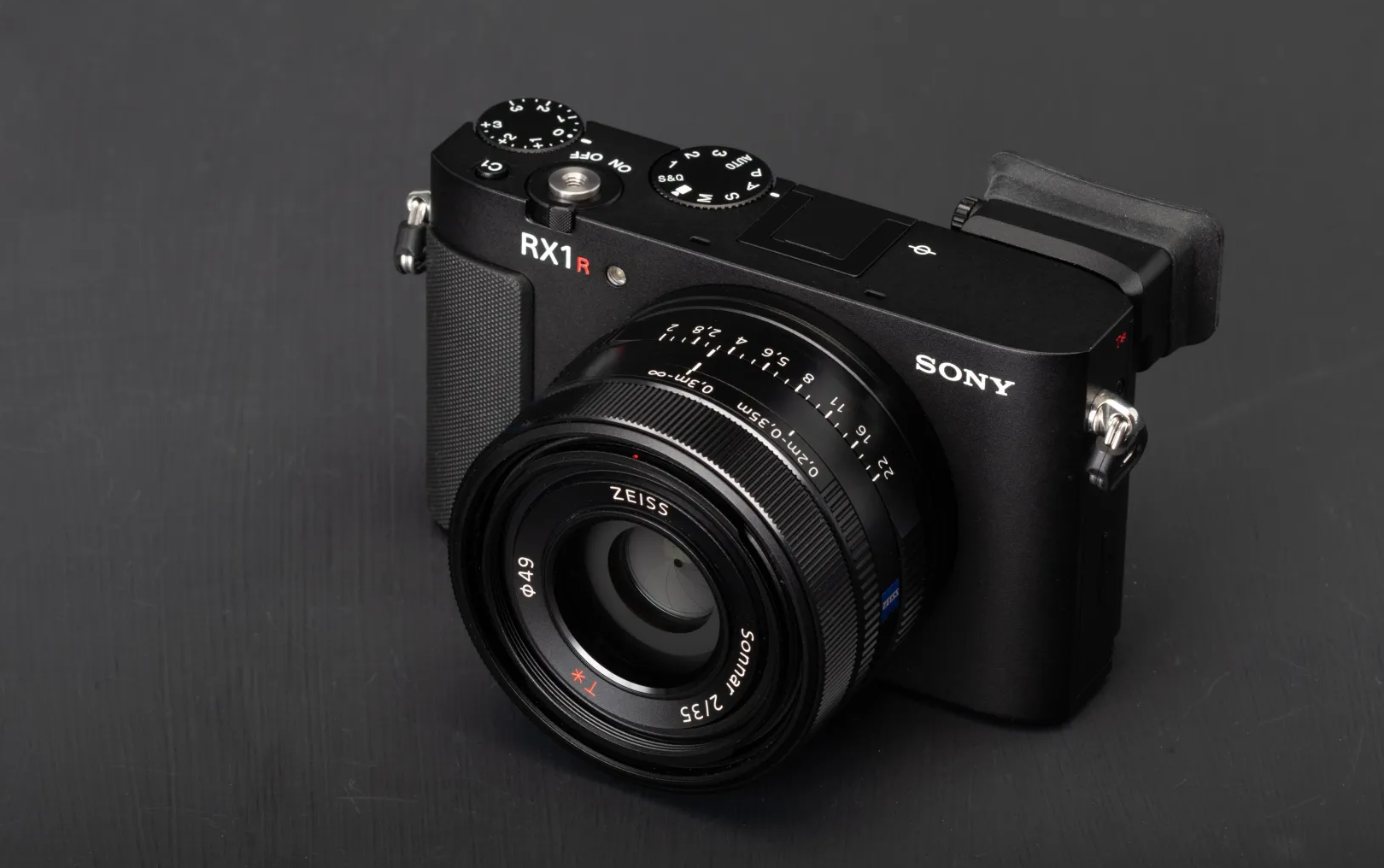
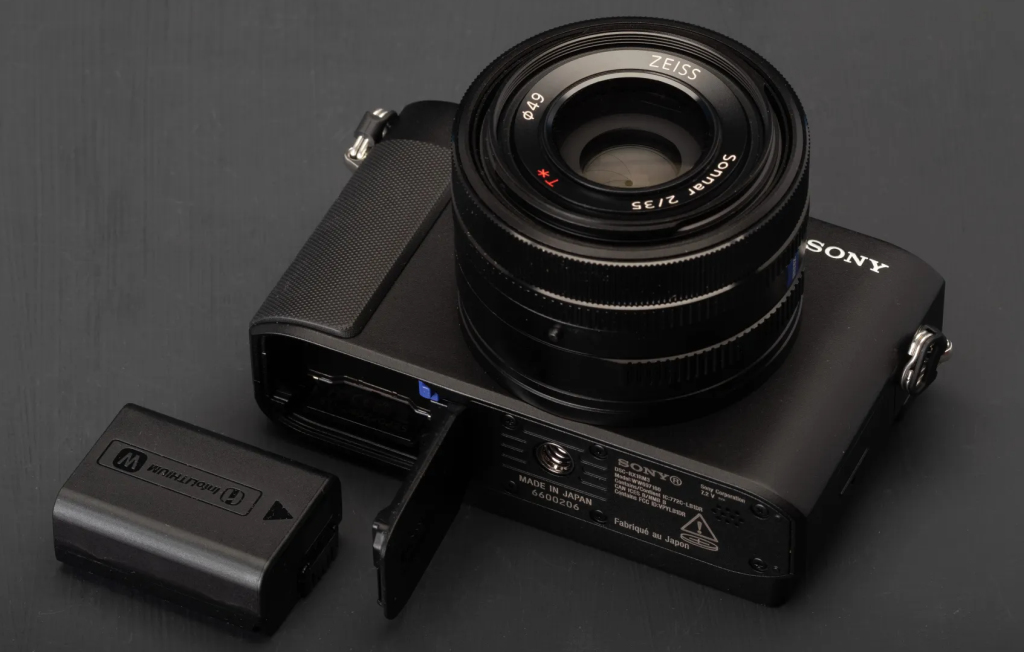
photographers who prioritize compact body size above all else. It arrives a decade after the RX1R II, carrying a 60.2MP BSI CMOS sensor matching the a7CR and Leica Q3, paired with the updated Bionz XR processor built with an AI processing unit for vastly improved autofocus performance. The original 35mm F2 Zeiss lens is retained without redesign, and the removable anti-aliasing filter from the Mark II is removed, as the high-resolution sensor no longer requires it.
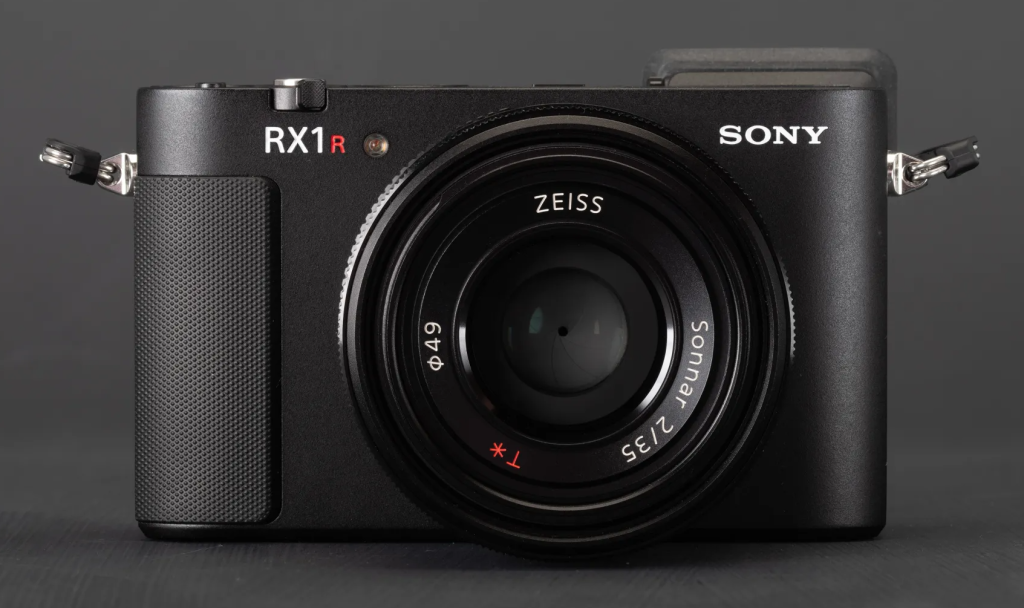
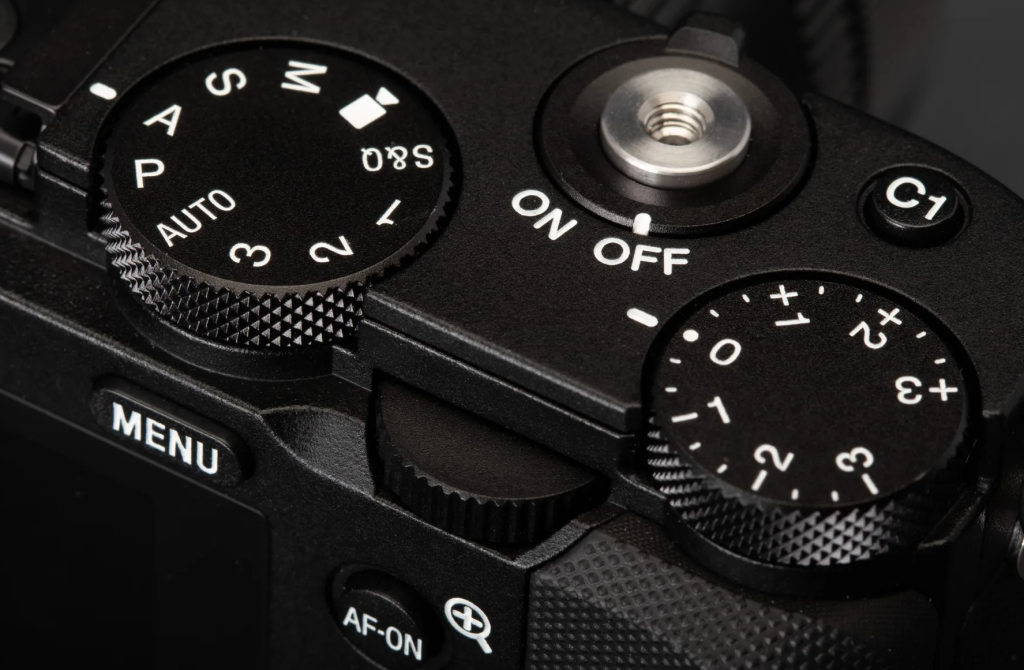
Hardware adjustments replace the old pop-up EVF with a fixed 2.36M-dot 0.7x viewfinder, while the rear touch screen becomes non-tilting to shrink the chassis. It switches to the NP-FW50 battery, lifting CIPA life to 300 shots on LCD, a meaningful upgrade over the second generation. A built-in crop function simulates 50mm and 70mm focal lengths, storing full Raw data with crop metadata in files. The camera weighs only 498g and features physical aperture, exposure compensation dials plus multiple customizable buttons for streamlined stills operation, though its menu system remains bloated and convoluted compared to rival rangefinder-style compacts.
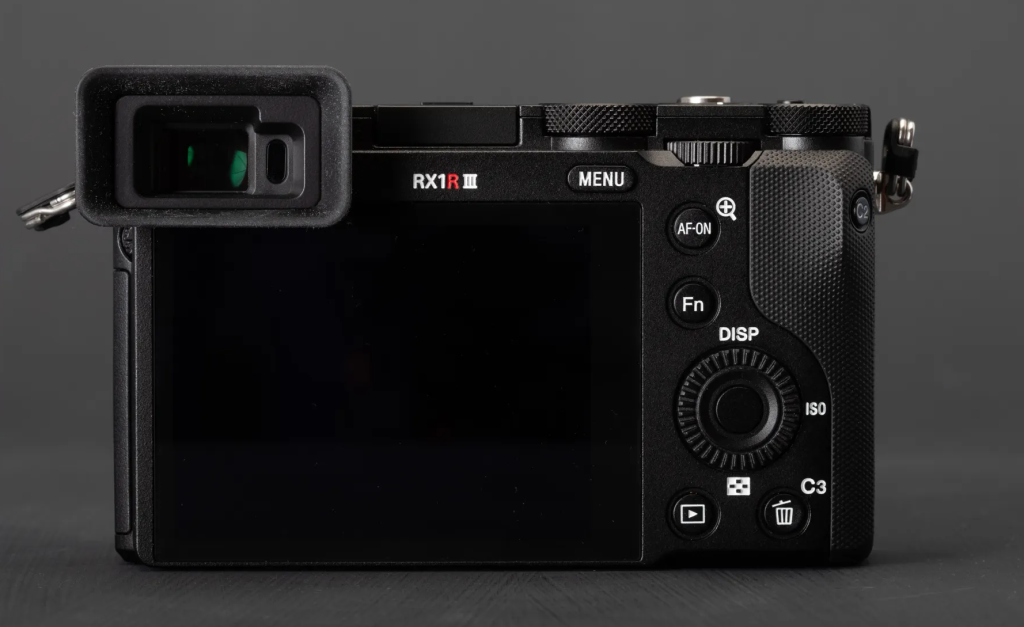
Image quality delivers sharp, detailed Raw files with clean high-ISO performance and natural JPEG color tuning, though the 35mm F2 lens lacks peak sharpness at wide apertures and close focusing distances, only reaching full resolving power once stopped down to around F5.6. It lacks any form of in-body optical stabilization, forcing users to rely on slower shutter speeds or higher ISO values in dim environments, which impacts low-light shooting flexibility. Its autofocus system stands out as the class leader among fixed full-frame primes, supporting full AI subject tracking for humans, animals and vehicles, reliable eye detection and customizable tracking parameters, with responsive focusing even in weak light.
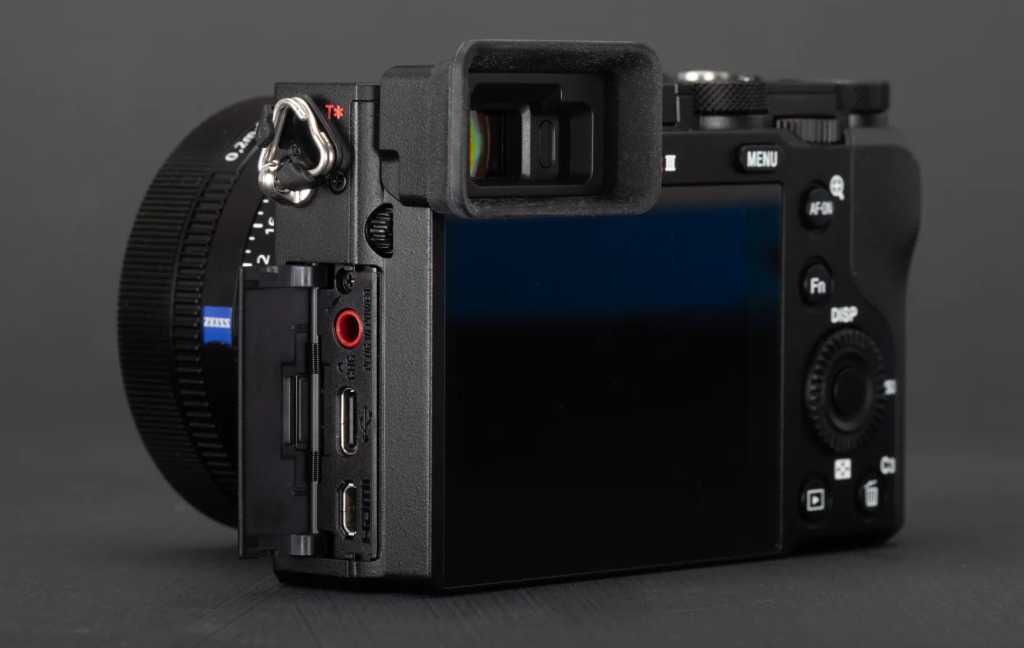
Video functionality takes a backseat on this photo-first camera. It maxes out at 4K 30p 10-bit 4:2:2 recording with no 4K 60p option, only offering weak cropped electronic stabilization. There is no headphone jack for audio monitoring, the fixed screen hinders low-angle filming, and continuous video recording drains battery rapidly, making it a poor choice for creators focused on motion work.
Against direct competitors, it sits in a narrow niche. The Leica Q3 43 costs far more, adds lens stabilization and a tilting screen but is bulkier and heavier. The Fujifilm X100VI is much cheaper with an APS-C sensor and hybrid optical EVF, while Sony’s own a7CR interchangeable mirrorless offers stabilization, flip screen and wider video specs at a lower price, sacrificing the ultra-compact integrated prime body of the RX1R III.
Its core strengths lie in unmatched portability for full-frame 35mm prime shooting, premium build quality, industry-leading autofocus and excellent Raw/JPEG output. Major drawbacks include the steep price tag (especially in the US due to tariffs), lack of stabilization, fixed non-tilt screen, soft wide-aperture lens performance, mediocre battery endurance and limited video tools. It is ideal for dedicated street and travel photographers who value tiny body size over feature versatility, but unsuitable for hybrid shooters, wildlife work or anyone needing flexible zoom or video capability.