Canon PowerShot V1 hands-on review
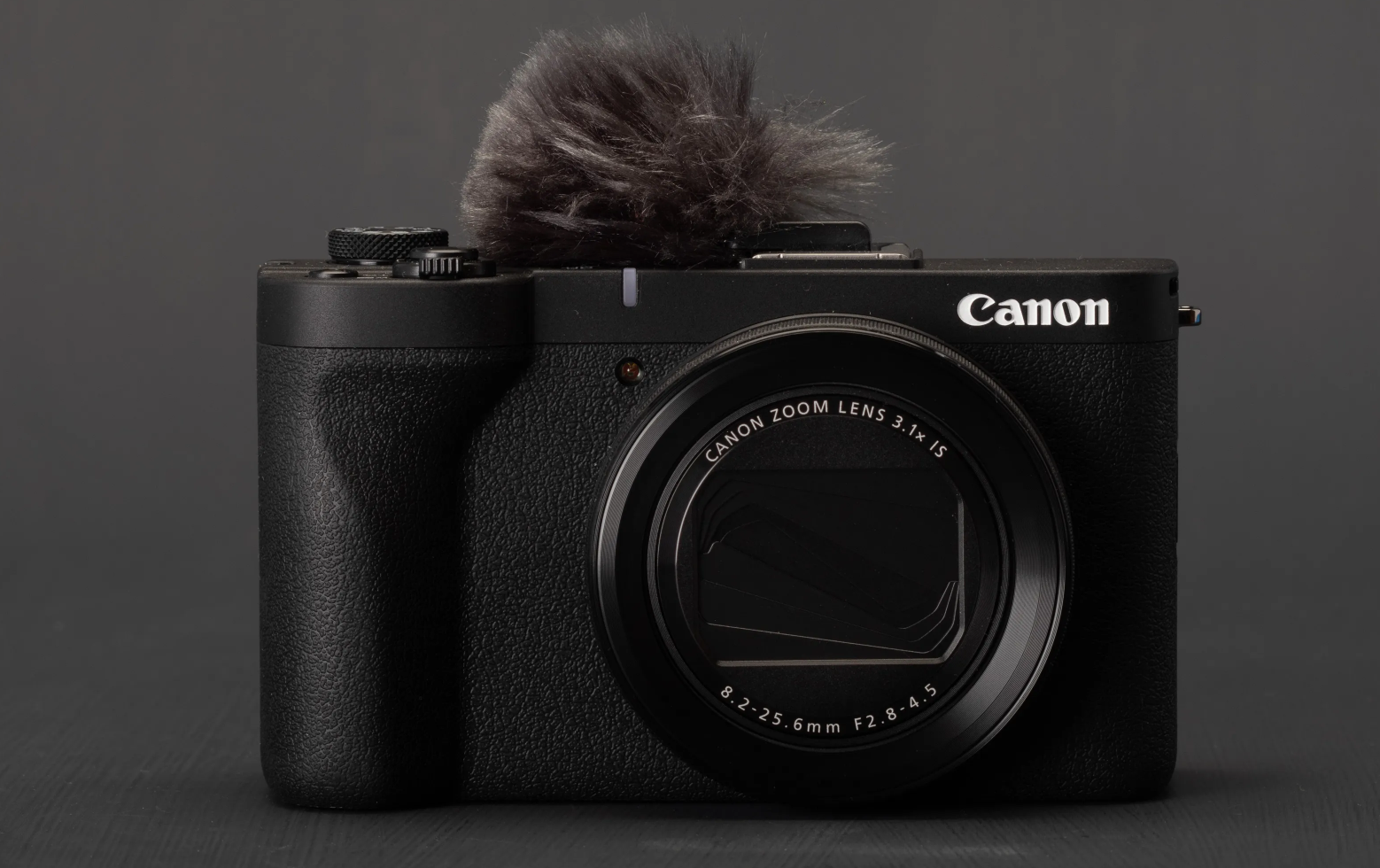
Canon PowerShot V1 scores 84%, a vlog-dedicated compact with a 1.4-inch 22MP Dual Pixel sensor, priced $979 in the US. It’s built around a 16-50mm equivalent F2.8-4.5 zoom lens and carries an internal cooling fan for long video sessions, clearly optimized for content creators rather than pure stills photographers.
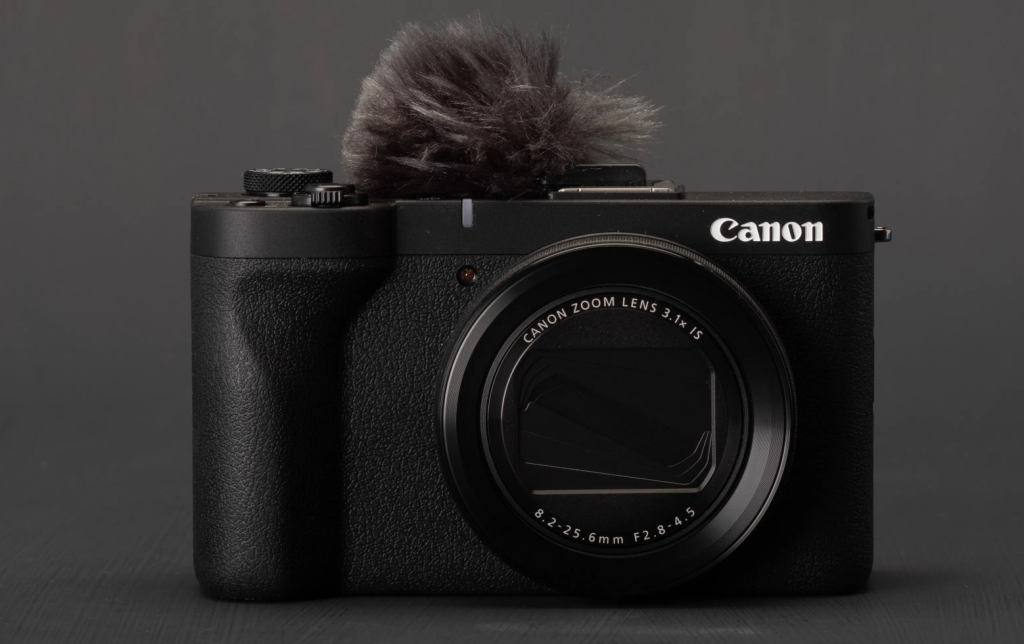
Its core video hardware includes uncropped 4K 30p oversampled from 5.7K, plus cropped 4K 60p at a 1.4x factor. Multiple stabilization modes are offered, including subject-tracking digital IS that crops the frame to lock targets steady, though higher IS strength adds noticeable image loss. A built-in 3EV ND filter, 3.5mm mic and headphone jack, full-size multi hotshoe and C-Log3 support cover basic to mid-tier video workflow needs, and the bundled windscreen improves built-in microphone audio outdoors.
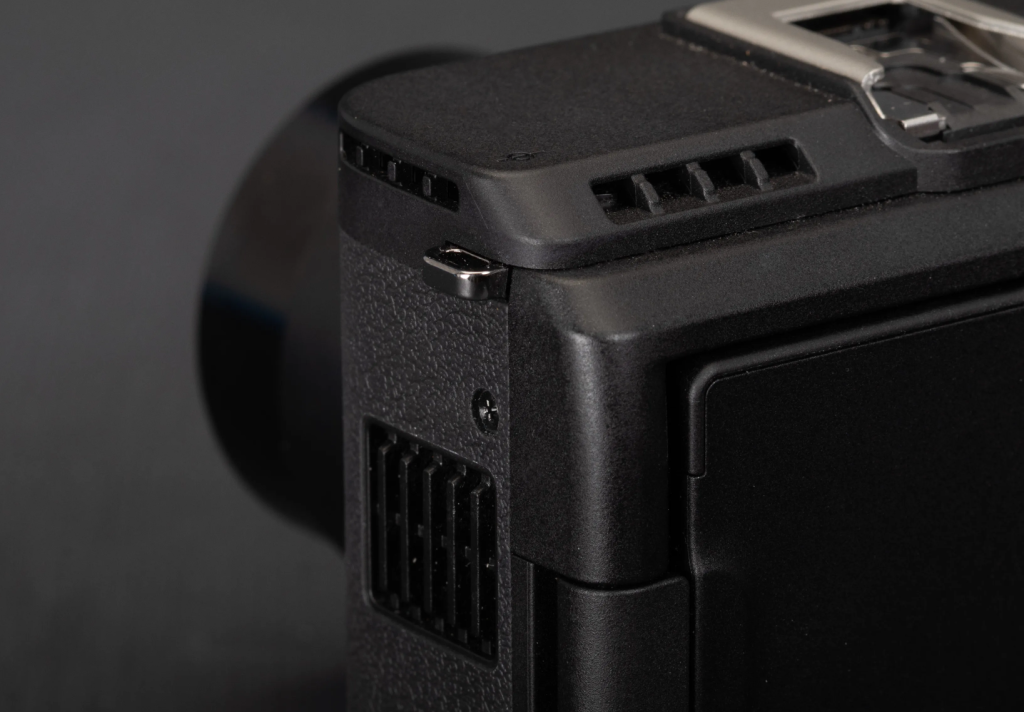
The body is thickened to fit the cooling fan, paired with a shallow grip that feels natural for self-vlogging but awkward for traditional two-handed photography. Controls are simplified with a clickless lens ring and tiny rear dial, lacking the dedicated physical exposure dials seen on Canon’s G-series photo compacts. There’s no built-in flash or electronic viewfinder, and small strap lims limit compatible wrist straps. It uses LP-E17 batteries rated for 340 LCD shots, with USB-C pass-through power support during recording.
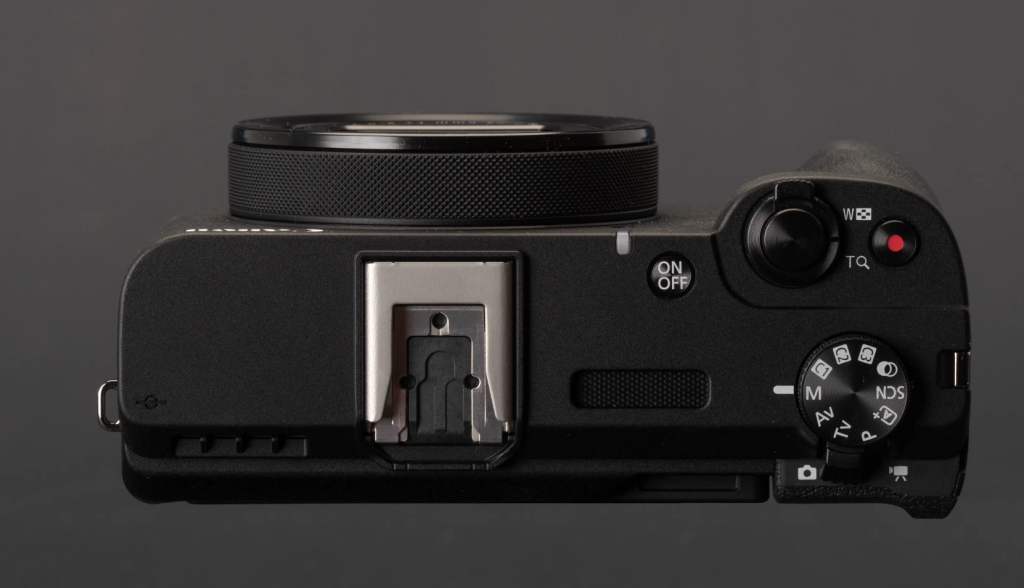
Image quality sits ahead of Sony ZV-1 II thanks to the larger sensor, delivering sharp wide-angle output with minor digital distortion correction at 16mm. High ISO noise control is solid yet falls behind APS-C mirrorless rivals like the ZV-E10 II. Stills performance is held back by clunky operation; popular creative modes like close-up product demo and skin smoothing lock the camera into auto scene settings, stripping manual audio and exposure control from users.
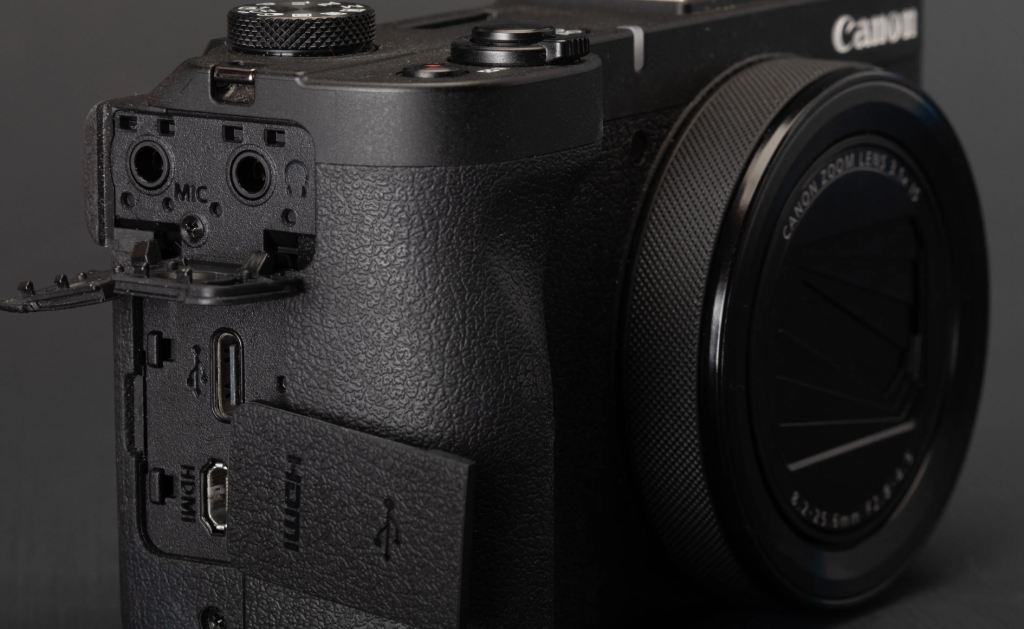
Compared to competitors, it outperforms the ZV-1 II via wider native zoom and 4K 60p recording, while the interchangeable ZV-E10 II offers faster sensor readout and superior AF at the cost of separate lens expenses. Its biggest drawbacks are elevated rolling shutter artifacts, cumbersome photo controls, fan-induced bulk, and finicky compatibility with lower-grade SD cards that require full formatting for stable video writing.
This camera excels for full-time vloggers, streamers and social media creators who prioritize long recording times and versatile built-in video tools. It is a poor pick for photographers who shoot stills primarily, as the stripped tactile controls make manual adjustment tedious despite capable sensor and lens hardware.