Inspiringly simple: Sigma BF review
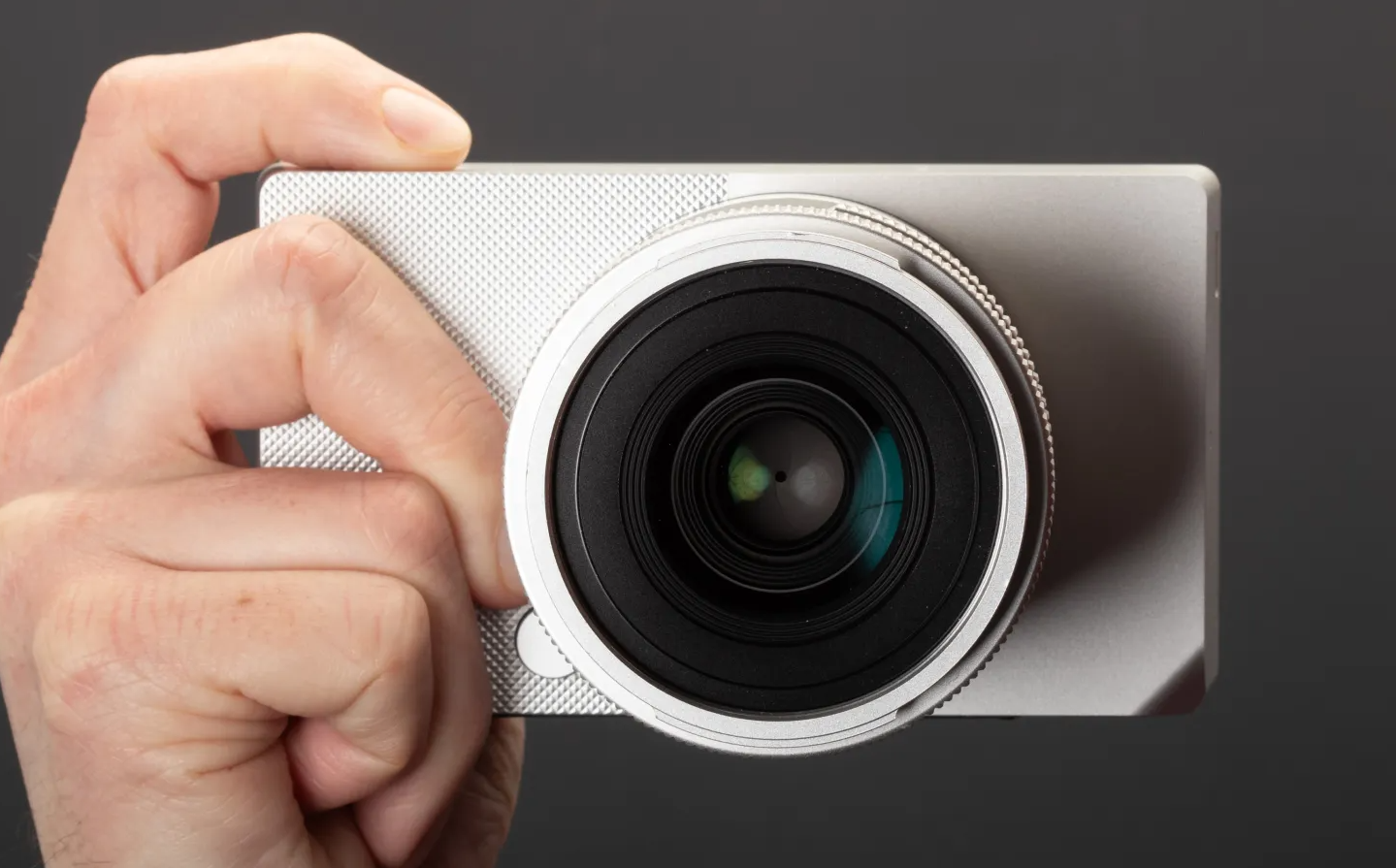
Priced at $2000, the Sigma BF is a uniquely minimalist L-mount full-frame mirrorless camera scoring an overall 85%, built around a 24.6MP BSI sensor and crafted from a single block of machined aluminum in Japan, designed purely for slow, intentional everyday photography rather than fast-paced shooting.
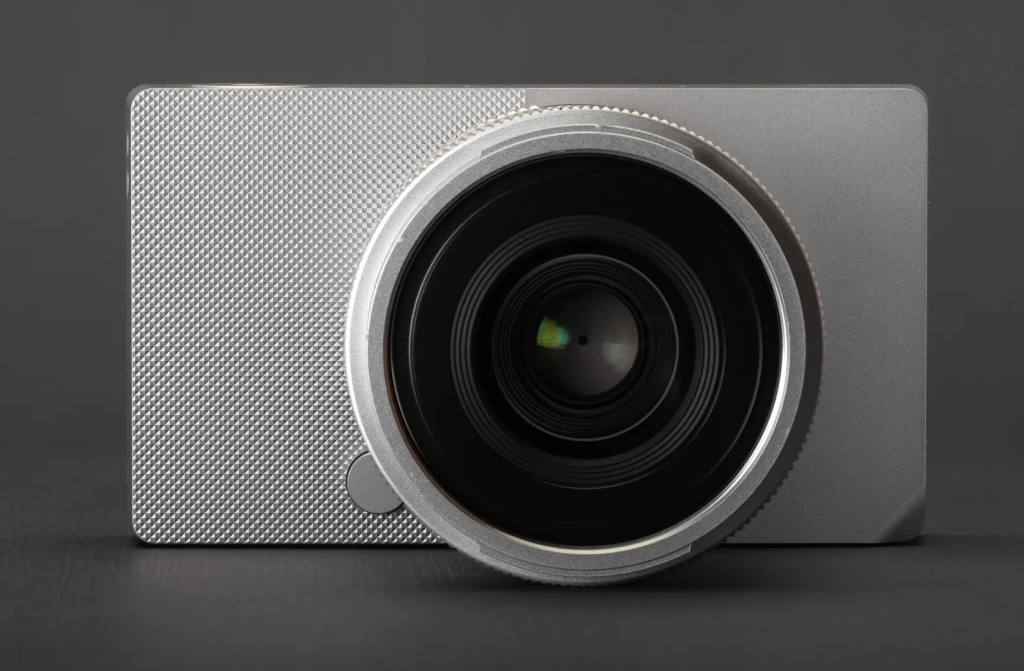
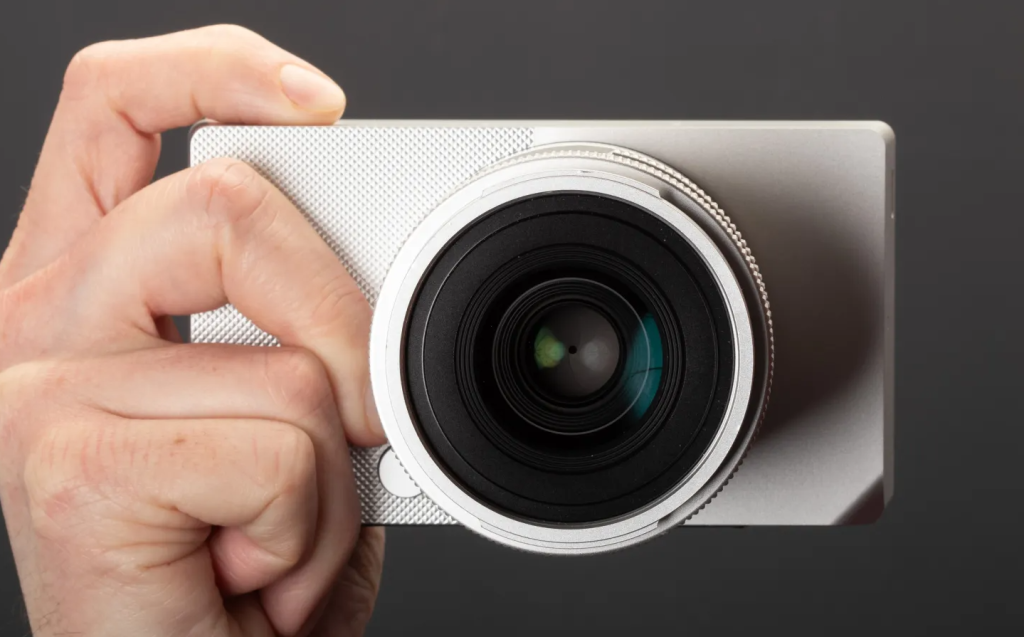
Its most standout trait is a radical simplified control system. Instead of multiple command dials, it uses one main rear dial plus three pressure-sensitive haptic buttons, paired a tiny dedicated status display that only shows one shooting parameter at a time. The large rear touchscreen is reserved solely for framing and selecting focus points; all exposure adjustments are done via the dial without tapping the screen, and exposure modes are set by toggling auto values for ISO, shutter and aperture rather than a traditional mode dial. The body weighs 446g and features textured front plating for grip, though its sharp bottom edge can dig into fingers during long holds.
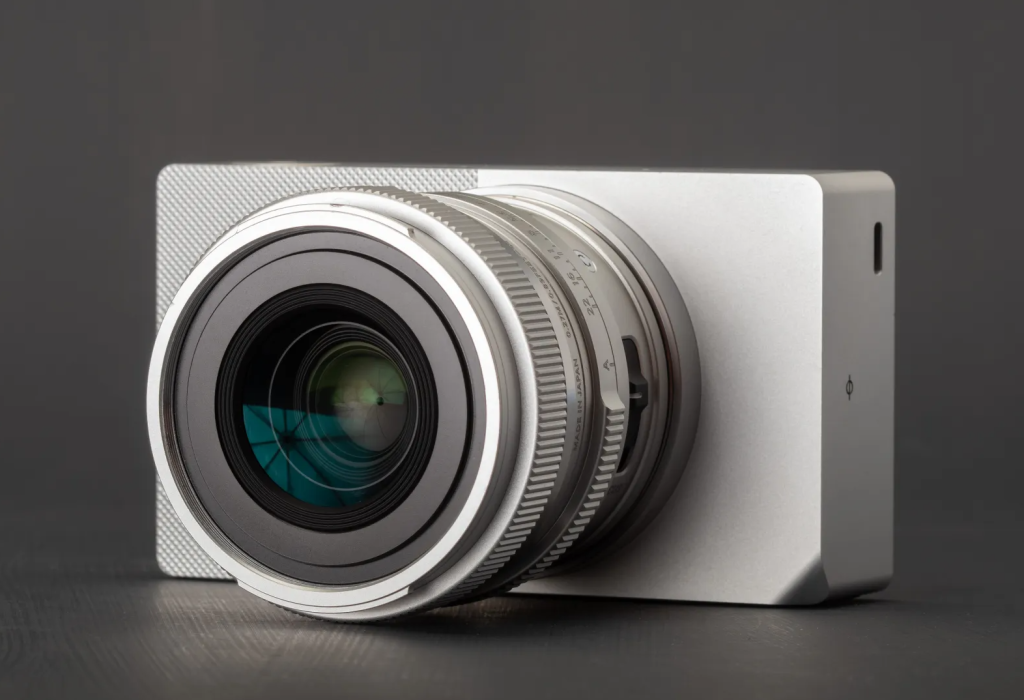
The camera makes several deliberate hardware tradeoffs to hit its minimalist design. There is zero mechanical shutter, relying fully on electronic capture with a 24.8ms sensor readout, which causes rolling shutter distortion on fast subjects, banding under artificial indoor lights, and limits flash use entirely. It also lacks an in-body EVF, in-body stabilization and external SD slots, instead packing 230GB built-in internal storage for instant recording and transfers. It runs on the BP-81 battery with a modest CIPA rating of 260 shots per charge, draining noticeably during standby if left powered on.
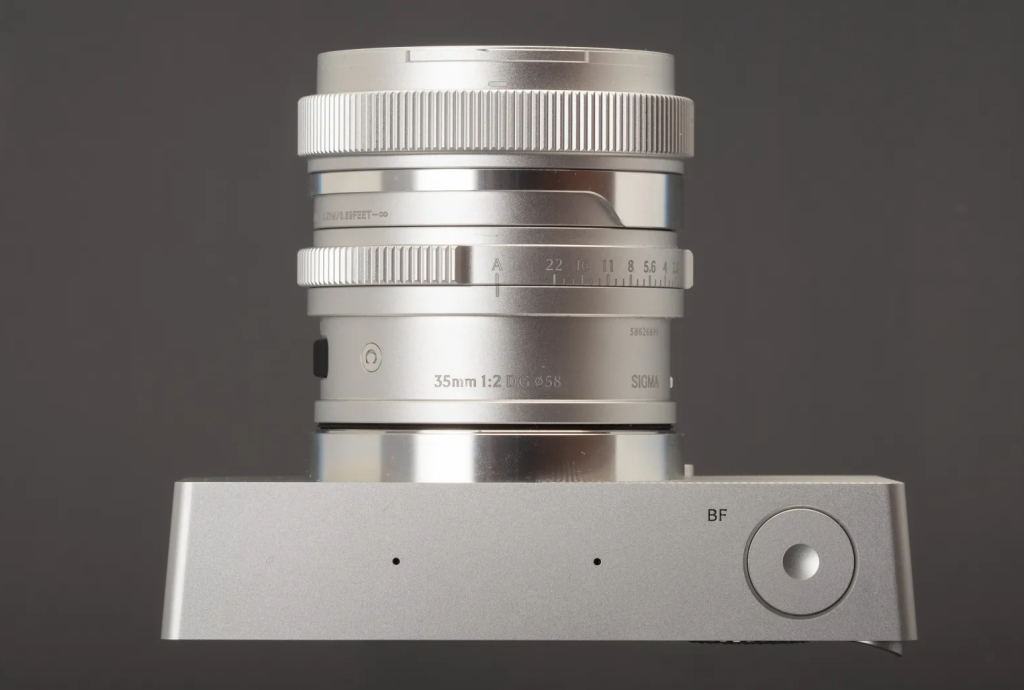
Stills performance delivers solid Raw detail and two distinct JPEG color profiles (standard and Rich), with an automatic embedded HDR gain map baked into every JPEG to boost highlight brightness on compatible screens. Its base ISO sits at 320, and auto ISO defaults to 400 to preserve highlights, which introduces mild extra shadow noise compared to cameras with lower native sensitivity. The phase-detect autofocus system is streamlined but reliable for street, portrait and casual scenes, supporting human and animal eye tracking with simple single-point or full-area tracking modes, though it lacks advanced sports recognition.
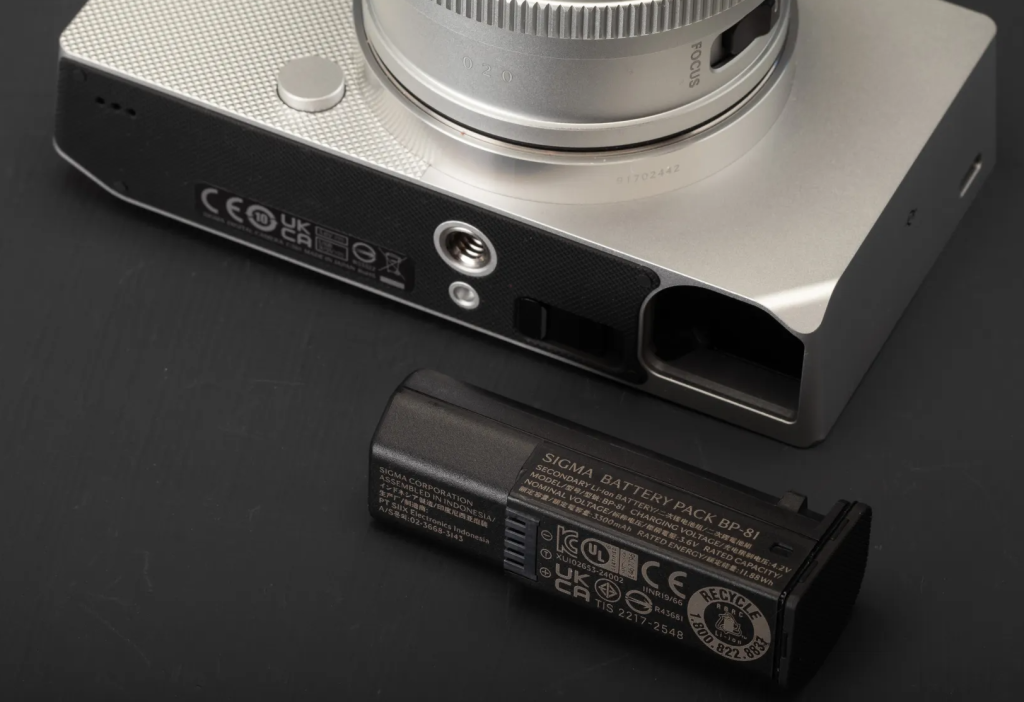
Video specs are surprisingly robust for a photo-focused compact. It records 6K 30p and cropped 4K 30p 10-bit H.265 alongside 1080p up to 120fps, with Leica L-Log color profile, false color and shutter angle exposure tools. USB-C ports support external microphones and headsets, and its light weight makes it easy to mount on gimbals, though the lack of IBIS forces users to rely on gimbal stabilization only.
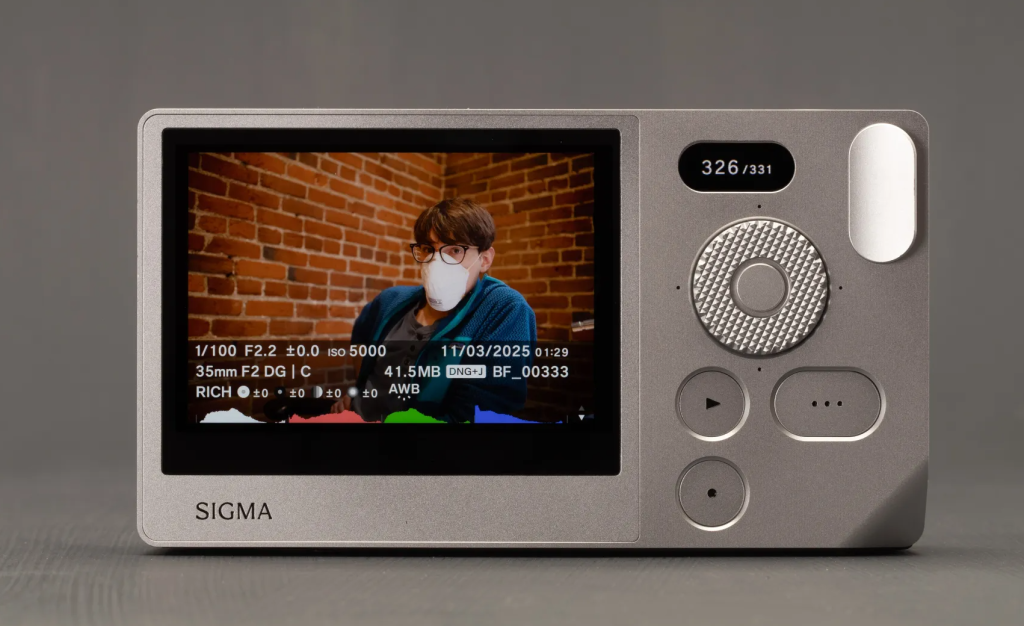
When compared to similar small L-mount bodies like the Panasonic S9, the BF costs more but offers far superior build quality and a more focused shooting interface, while the S9 adds IBIS, a flip screen and a lower price tag at the cost of cluttered menu logic. It cannot be directly matched to most mainstream mirrorless cameras, as its design philosophy prioritizes mindful shooting over all-round versatility.
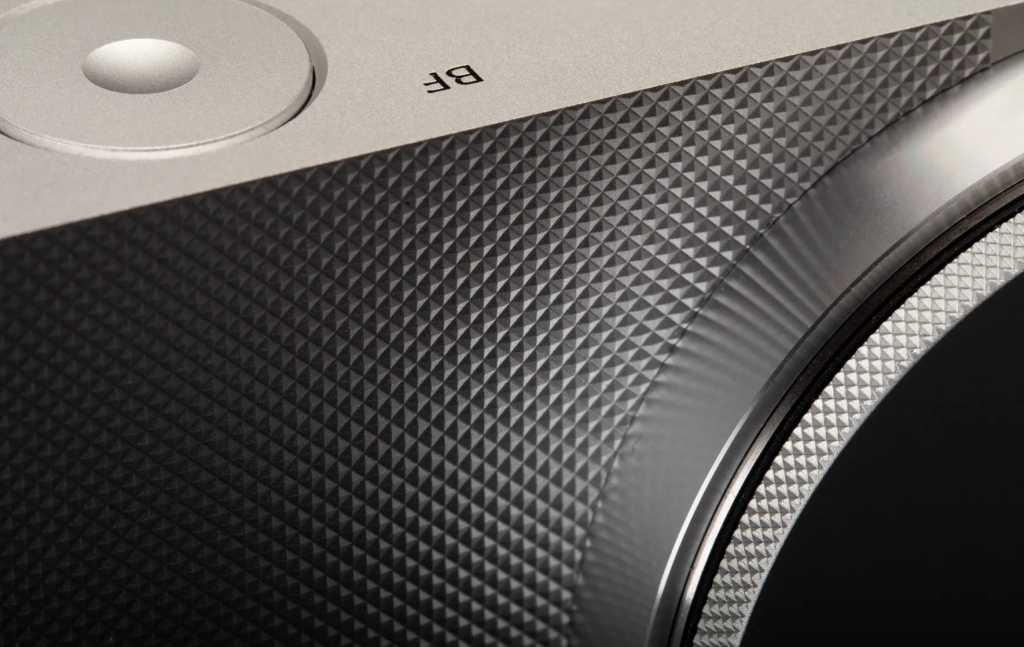
Core strengths include premium solid aluminum construction, intuitive single-dial minimalist UI, built-in large storage, natural customizable color rendering, capable eye-tracking AF and complete 10-bit Log video tools. Major drawbacks stem from its intentional limitations: no mechanical shutter rules out flash and fast motion capture, no EVF hampers bright-light shooting, weak battery life, missing image stabilization and sharp uncomfortable body edges.
This camera is not suitable for sports, event or flash photography, but it excels for street, travel and lifestyle creators who want to slow down and prioritize composition over rapid settings changes. While it does not earn DPReview’s formal award due to its narrow use case, the reviewer names it a personal top gear pick for its refreshing, stripped-back creative experience.