Outdoor Photography Guide: Capture Diverse Landscapes Across Tenerife
Tenerife’s unmatched microclimates make it a one-of-a-kind outdoor shooting destination, blending volcanic highlands, misty laurel forests, rugged coastal cliffs, and colourful colonial towns all within short driving distances. Unlike many single-nature islands, this Canary gem lets you switch between astro shoots, coastal long exposures and cultural street frames in a single day, and I firmly believe renting a car is non-negotiable to unlock all its hidden photographic corners.
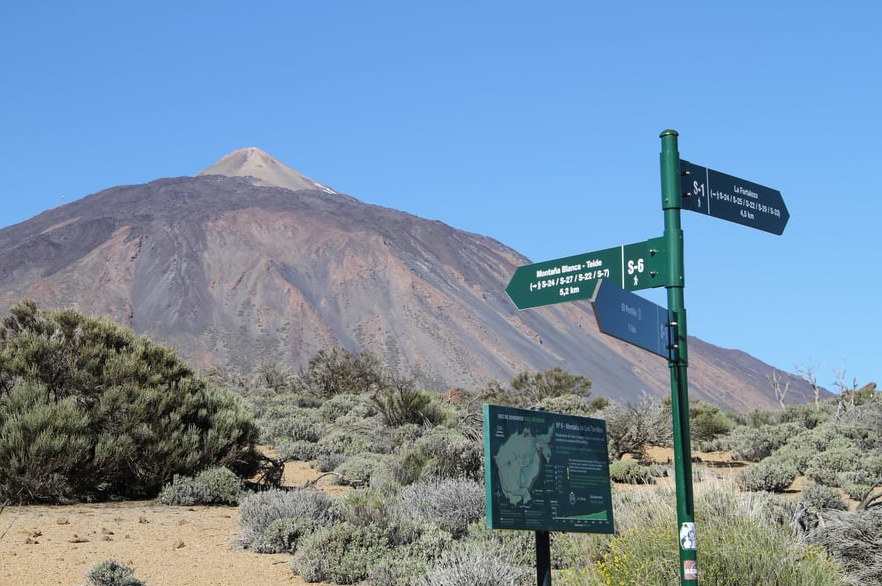
Mount Teide National Park sits as the island’s most versatile shooting zone. The barren, moon-like lava terrain around Roques de García delivers striking wide-angle compositions, while the snow-dusted peak at sunset creates warm, fiery tonal ranges ideal for RAW editing. This location is also a top-tier Milky Way spot; minimal light pollution lets astrophotographers pull vivid galactic detail with fast prime lenses and long exposure settings. Note that temperatures drop sharply at high elevations even in spring, so I always pack insulated layers to avoid battery drain during night sessions, and advance permits are mandatory for hiking the final stretch to the volcano’s summit.
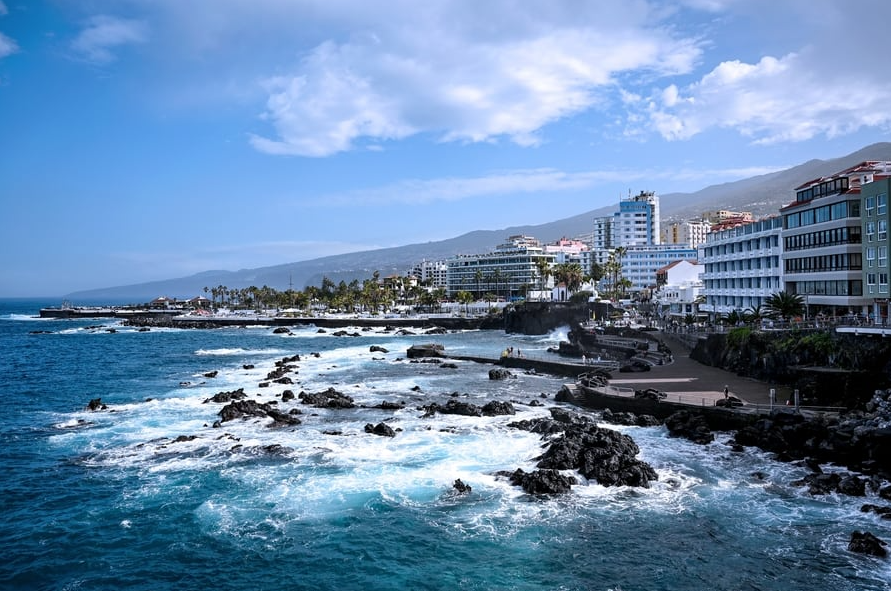
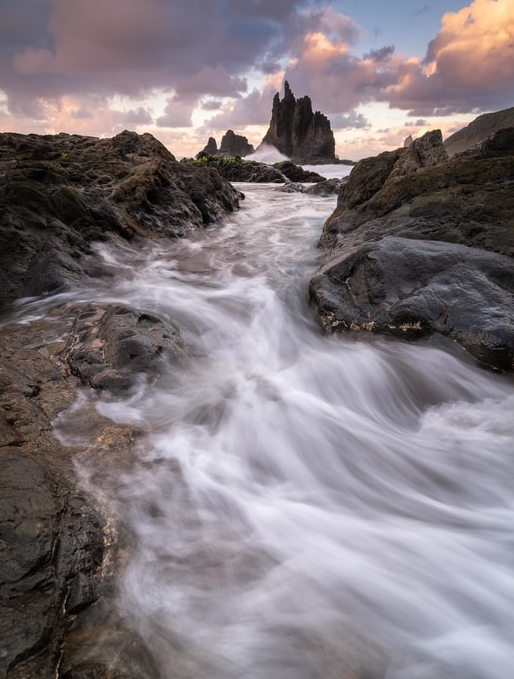
Northern Tenerife carries a soft, moody photographic identity entirely separate from the arid south. Anaga Rural Park’s ancient moss-covered laurel forests produce ethereal, low-light woodland shots, where dappled golden hour light filters through twisted tree trunks. Punta de Teno’s red-and-white lighthouse juts out over wild volcanic coastlines, perfect for framing crashing waves with ND filters to create silky sea motion. Charming northern towns including Garachico, La Orotava and UNESCO-listed San Cristóbal de La Laguna supply rich cultural subject matter: vibrantly painted colonial facades, stone plazas and old church bell towers work beautifully as foreground elements to balance wide landscape shots.
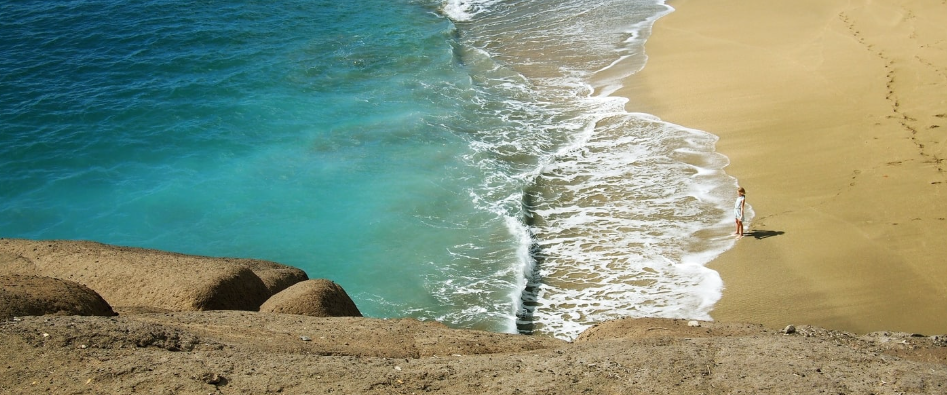
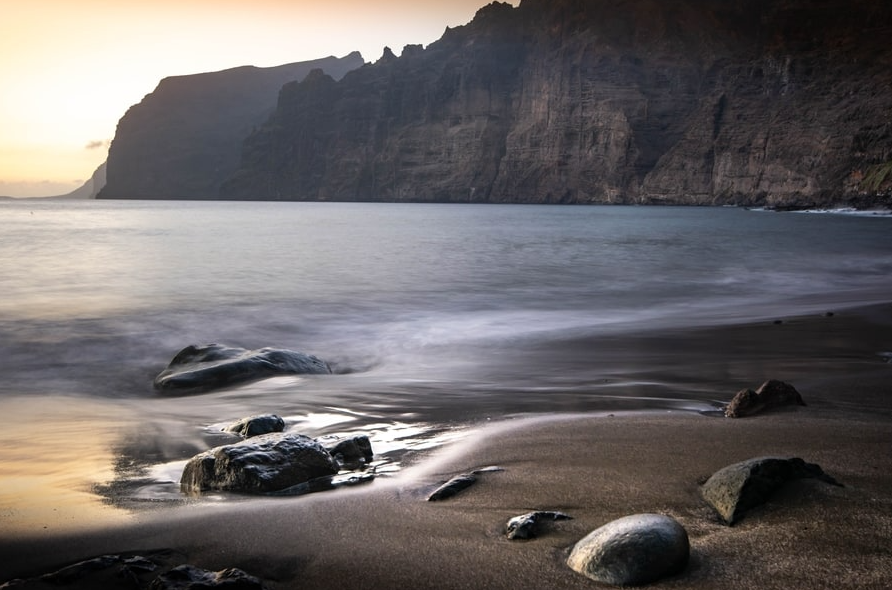
The island’s western Teno Peninsula boasts dramatic cliff scenery that stands out among all Canarian coastlines. Masca Village clings to a steep ravine, its white homes framed by jagged rock spires that glow orange at sunset, while the towering Los Gigantes vertical sea cliffs offer sweeping ocean panoramas. Boat trips departing Los Gigantes open up wildlife photography opportunities, where telephoto lenses capture pods of pilot whales and dolphins gliding across bright blue coastal waters—an unmissable contrast to the island’s static land scenery.
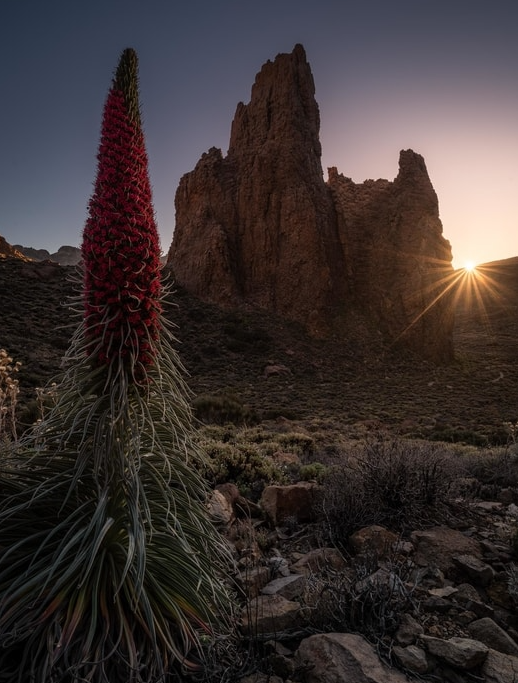
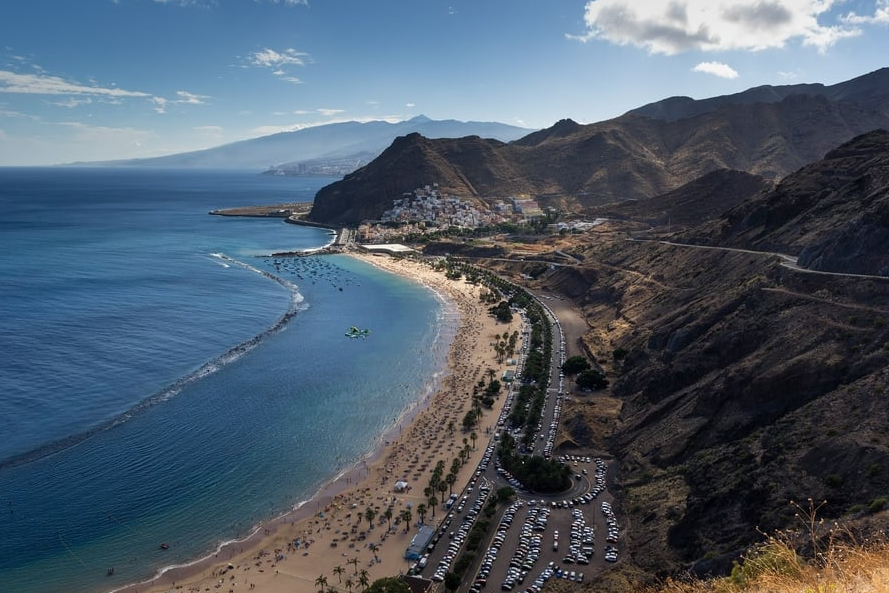
Southern Tenerife caters to bright, laid-back beach and watersport photography. El Médano’s golden-sand coves and wind-sculpted volcanic rock formations shine under harsh midday sun when paired with a CPL filter to cut surface glare, while Playa de Las Américas blends resort architecture with calm turquoise shorelines for travel lifestyle frames. Vilaflor, the island’s highest mountain village, acts as a quiet midway stop between the south coast and Teide, featuring dry volcanic highlands dotted with unique red tajinaste wildflowers that create eye-catching foreground accents for mountain backdrops.
Timing drastically alters your Tenerife photo portfolio, and spring or autumn are my personal top picks for outdoor shooters. These off-season months bring mild temperatures, thinner tourist crowds, and balanced light that avoids summer’s extreme midday haze or winter’s frequent heavy cloud cover. Summer delivers long daylight hours for beach sessions but drives up accommodation and tour prices, while winter’s shorter days prioritise sunrise and blue hour volcanic and coastal shots.
It’s easy to tailor a compact itinerary based on how many days you have available. A 3-day trip can hit Teide, Anaga’s forests and the Los Gigantes coastline, while 5 or 7 full days allow slow exploration of every northern village, hidden cove and highland viewpoint. Guided photo excursions are available for travellers without a rental car, though self-driving grants full flexibility to linger at golden hour viewpoints without rushed departure schedules.
Simple budget and gear planning elevates every outdoor shoot on the island. Securing accommodation in a zone aligned with your primary shooting focus saves wasted transit time: stay north for forests and historic towns, or base yourself south for beaches and whale watching. Essential gear includes a sturdy tripod for long exposures and astro work, a set of ND filters for smoothing ocean movement, and both wide-angle and telephoto lenses to capture vast landscapes and small wildlife or architectural details. Budget-conscious photographers can slash costs by booking flights and lodging in low season, and pre-booking vehicle rentals online delivers far better rates than airport counter pick-ups.