DPReview Canon EOS R6 III Review Summary
This Canon hybrid mirrorless scored 91% overall, priced at $2799 body-only, targeting enthusiast stills and video creators across events, wildlife and content creation. It upgrades the older R6 II with a new 32.5MP full-frame FSI dual-pixel CMOS sensor, faster read speeds and major video hardware overhauls.
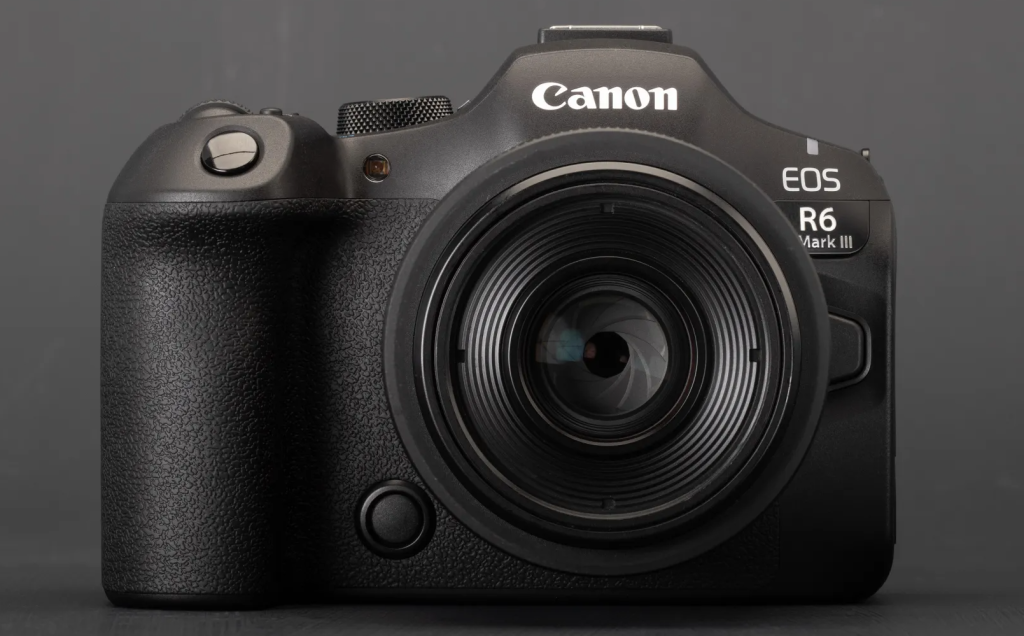
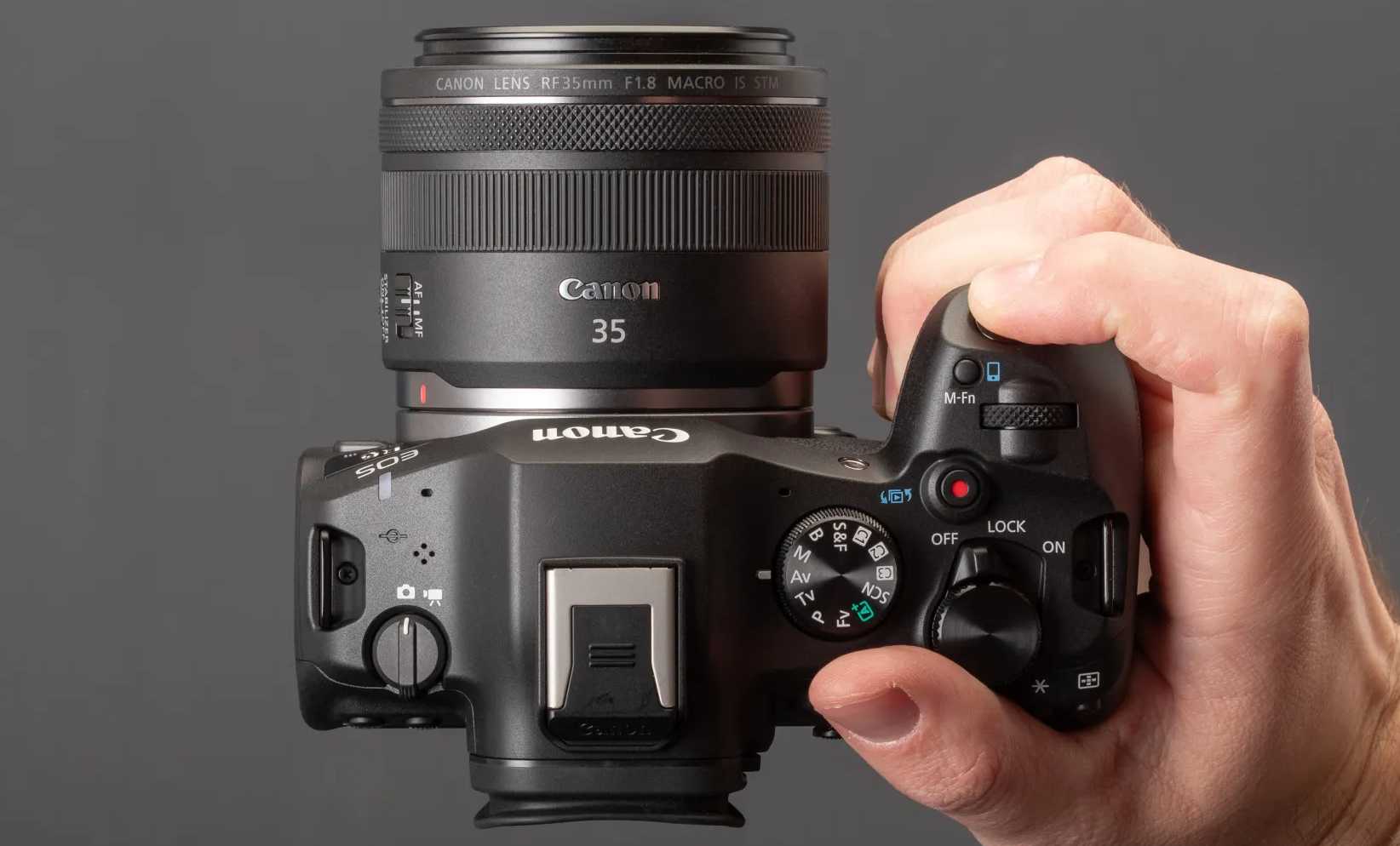
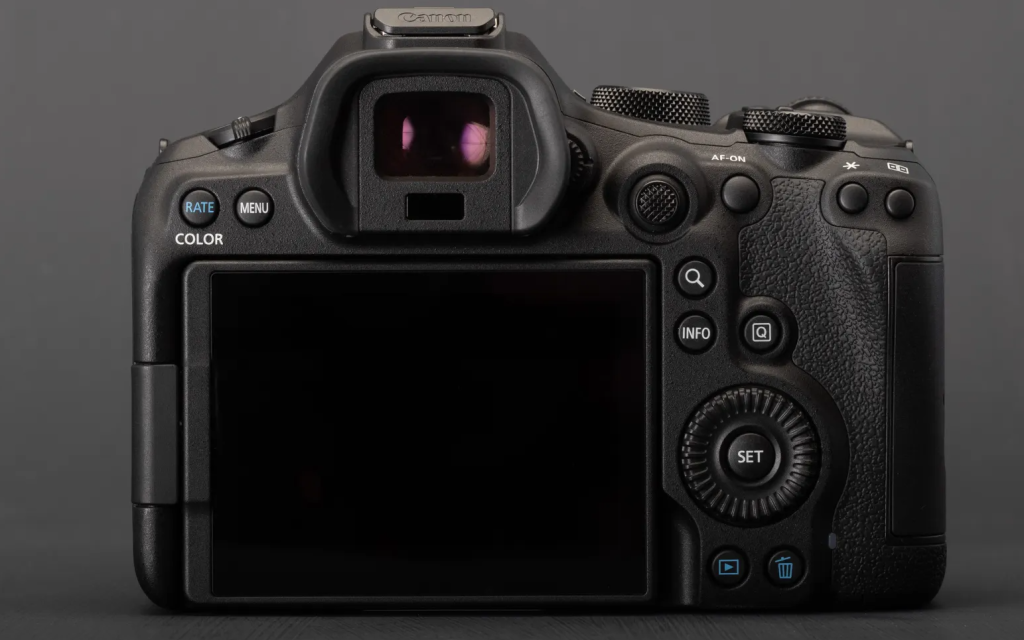
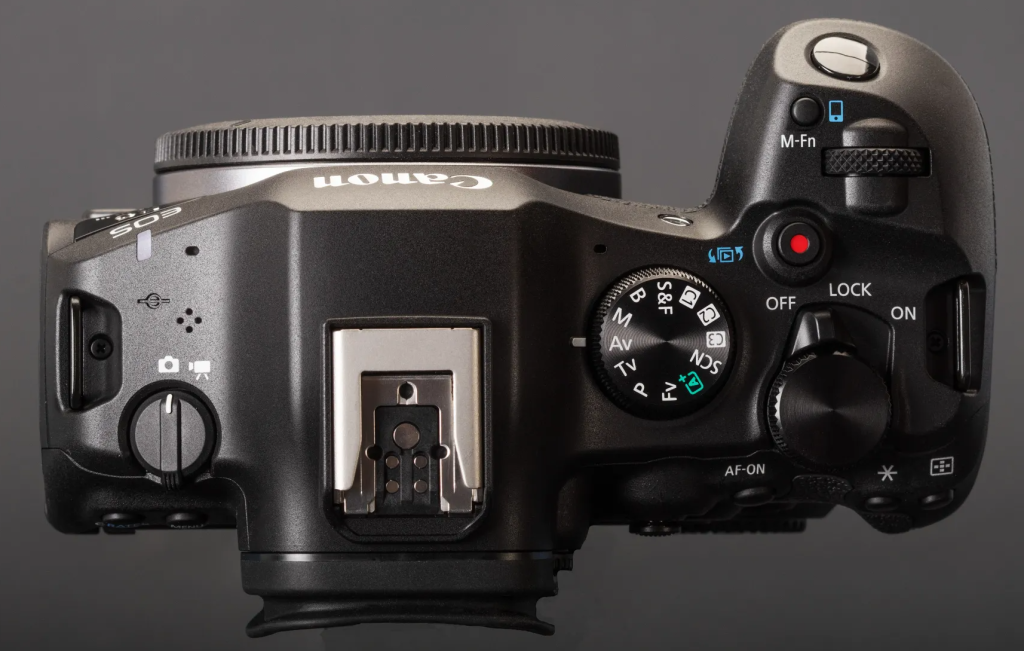
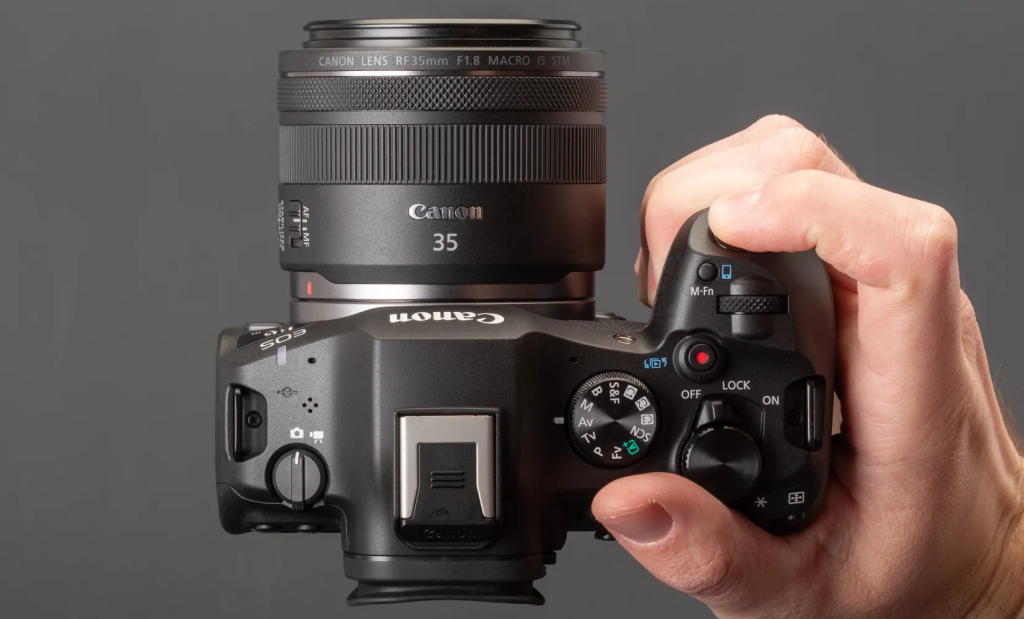
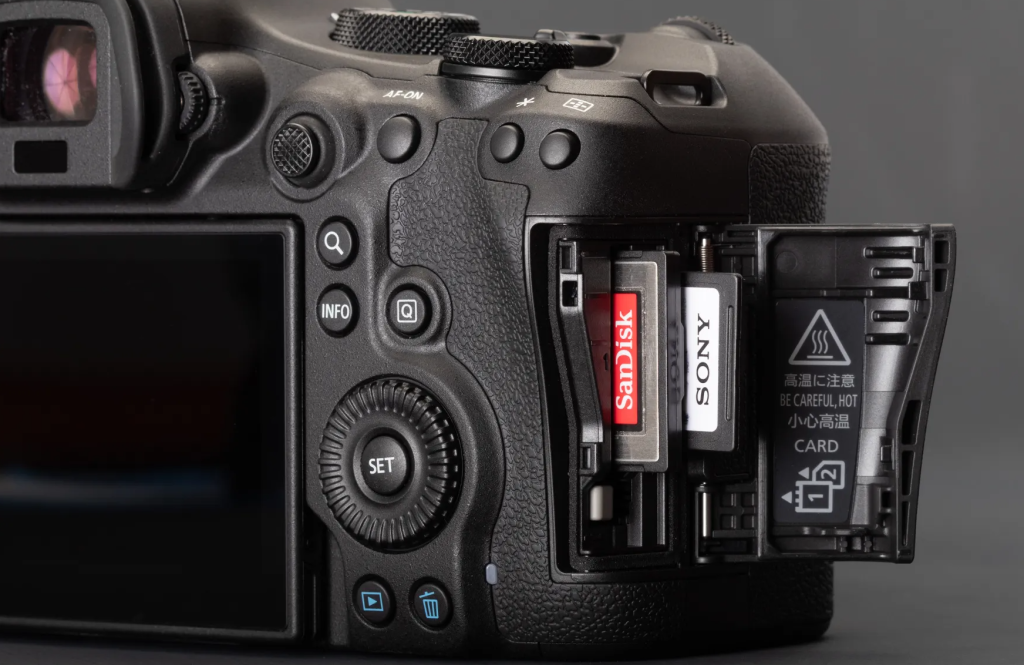
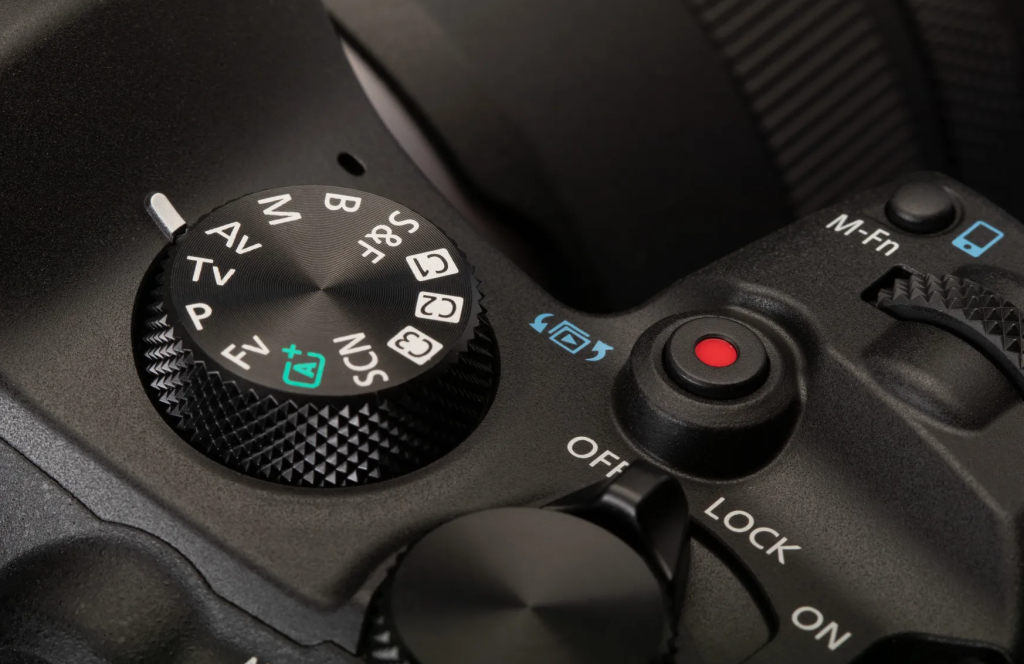
The body layout stays familiar to Canon R-series users with an optimized deep grip and nine fully customizable physical buttons. It swaps one SD slot for a CFexpress Type B card bay, mandatory for internal Raw recording, and replaces microHDMI with a full-size HDMI port for more stable video output. The 3-inch fully articulating rear screen and 3.69M dot EVF carry over from the previous generation, while the LP-E6P battery delivers 270 EVF shots or 510 LCD shots per charge, extendable with an optional battery grip.
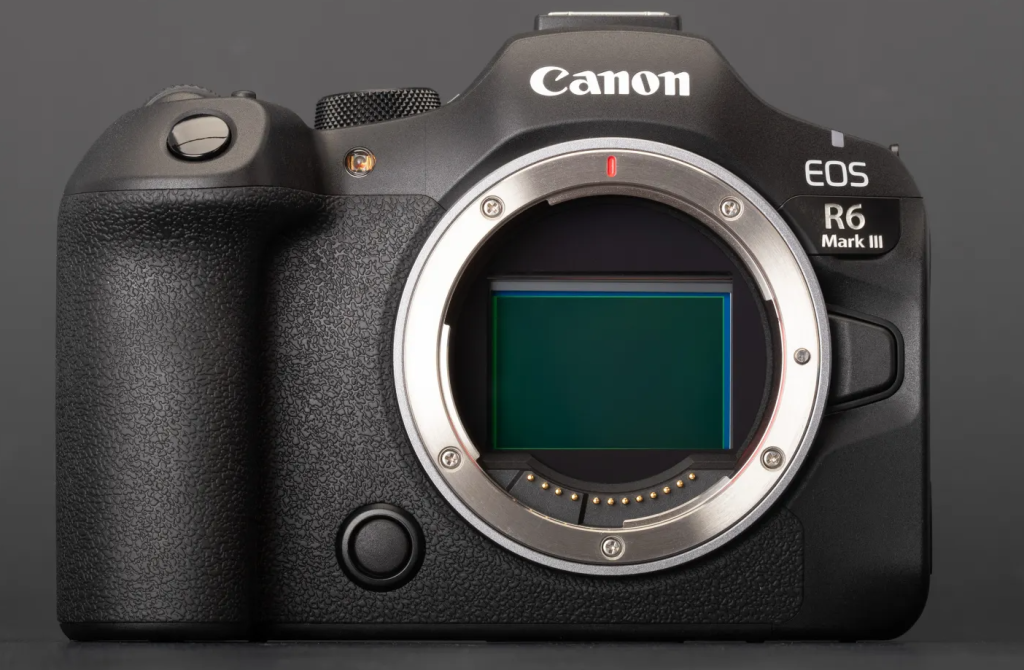
Stills performance sees clear improvements. Electronic shutter hits 40fps continuous shooting with adjustable pre-burst capture up to 0.5 seconds, no longer locked behind the clunky Raw Burst mode of the R6 II. The 8.5EV combined in-body and lens stabilization outperforms older models, and dual conversion gain design delivers solid shadow recovery in mechanical shutter mode, though electronic shooting cuts dynamic range slightly. Raw files hold richer fine detail than 24MP rivals like Nikon Z6 III, with warm, natural skin tones in JPEGs that stand out against Sony’s cooler color rendering. High ISO noise control stays usable up to extended ISO 102400, with only heavy shadow lifting revealing minor read noise.
Autofocus borrows algorithms from flagship R5 II and R1 bodies. It recognizes humans, cats, dogs, birds, horses and all common vehicles, plus a new Register People Priority function to lock focus on pre-saved faces. Tracking stays steady through partial subject obstruction and fast lateral movement, with multiple adjustable AF zone sizes and dedicated locked focus areas to avoid accidental subject switching during static shooting. Video AF performs equally well with minimal focus hunting even at 4K 120p slow motion.
Video capability is the camera’s biggest upgrade. It supports internal Canon Cinema Raw Lite at 7K/60, plus 7K open-gate 30p recording for flexible vertical or horizontal post cropping. Oversampled full-width 4K/60 delivers sharp footage, while cropped 4K/120 slow motion is available. It adds waveform and false color exposure tools missing on the R6 II, alongside C-Log 2/3, custom LUT upload and proxy file recording to SD cards. Without an internal fan, long 7K Raw recording hits thermal limits around 23 minutes at room temperature, though standard 4K modes run far longer without shutdown. Rolling shutter distortion remains controlled for most real-world motion scenarios.
Against key competitors, it trades blows with Sony a7 V, Nikon Z6 III and Panasonic S1II. It beats the Sony on native Raw video, open-gate capture and physical video assist tools, while falling short on battery life and sensor dynamic range. The Nikon has a higher-resolution viewfinder but slower burst speeds and weaker video codecs. The Panasonic offers superior thermal endurance thanks to its cooling fan and wider dual-gain video dynamic range, yet the Canon produces sharper still detail and more intuitive physical controls.
Minor drawbacks limit its perfect score. Electronic shutter reduces dynamic range for high-speed bursts, pre-burst only works at maximum frame rates and quickly fills the buffer. Subsampled 4K 60p loses fine detail compared to 30p oversampled footage, and RF mount restricts third-party lens functionality compared to E or L mount systems. Menu organization remains dense despite simplified video setting navigation.
Overall the R6 III is a refined all-round hybrid camera that fixes nearly every usability pain point of its predecessor. It balances reliable fast-action shooting with cinema-grade video tools, making it ideal for hybrid enthusiasts who split time between portrait, event and short-film production, though dedicated long-take filmmakers or pure landscape shooters may opt for competing models with stronger thermal control or wider dynamic range sensors.