DPReview Leica Q3 Monochrom Review Summary
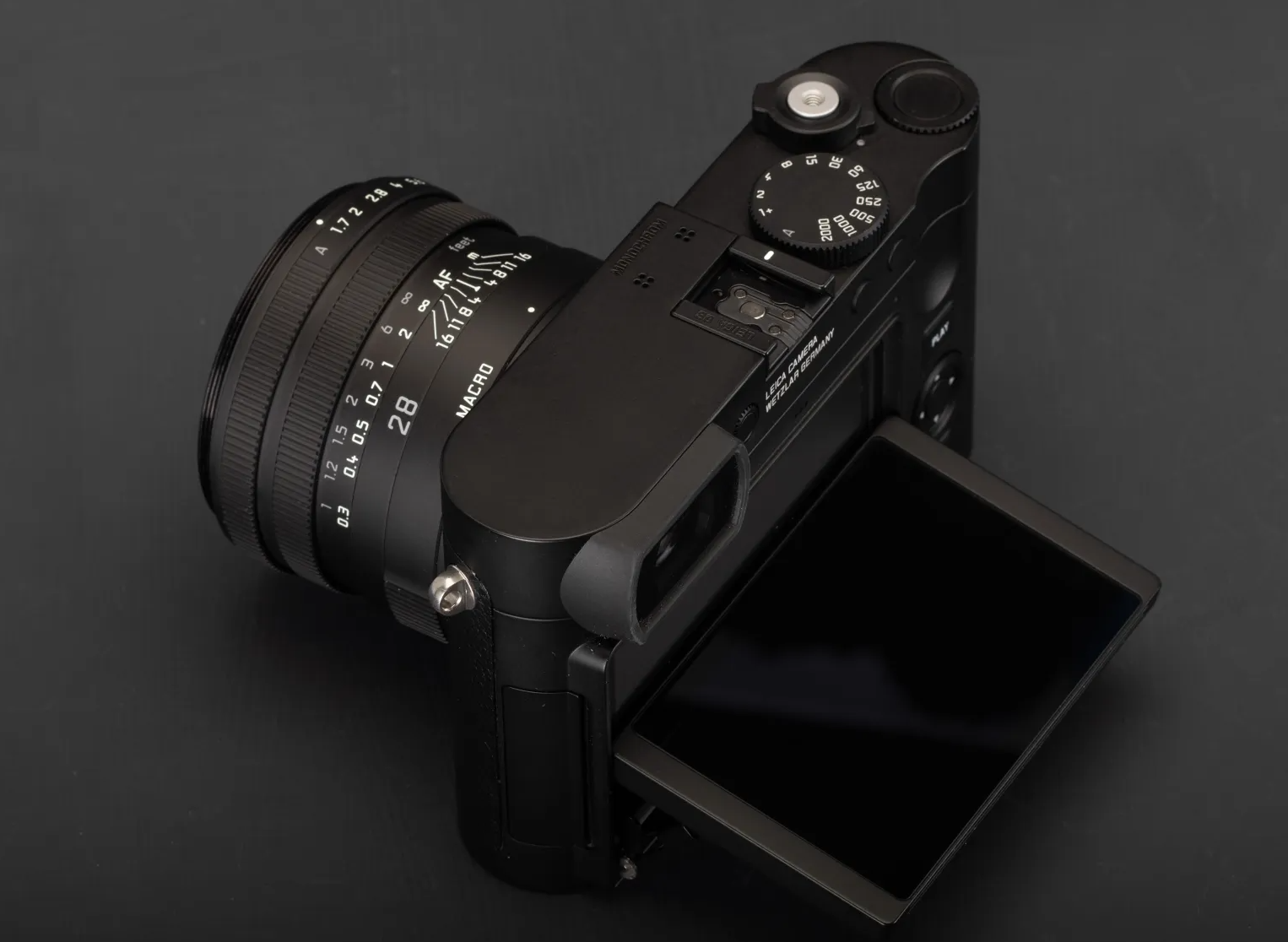
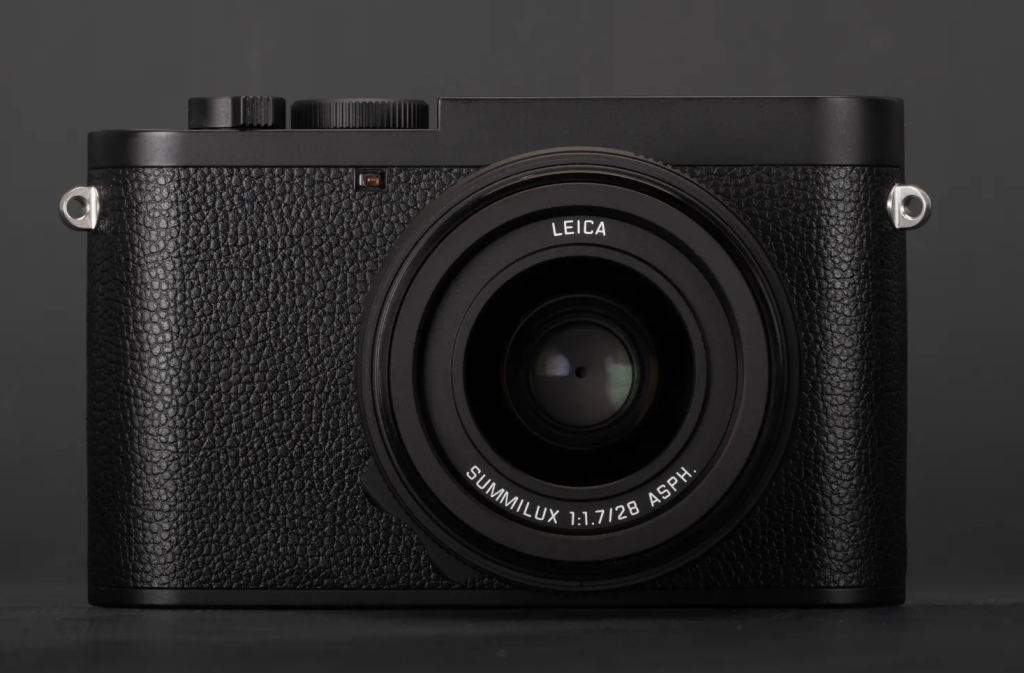
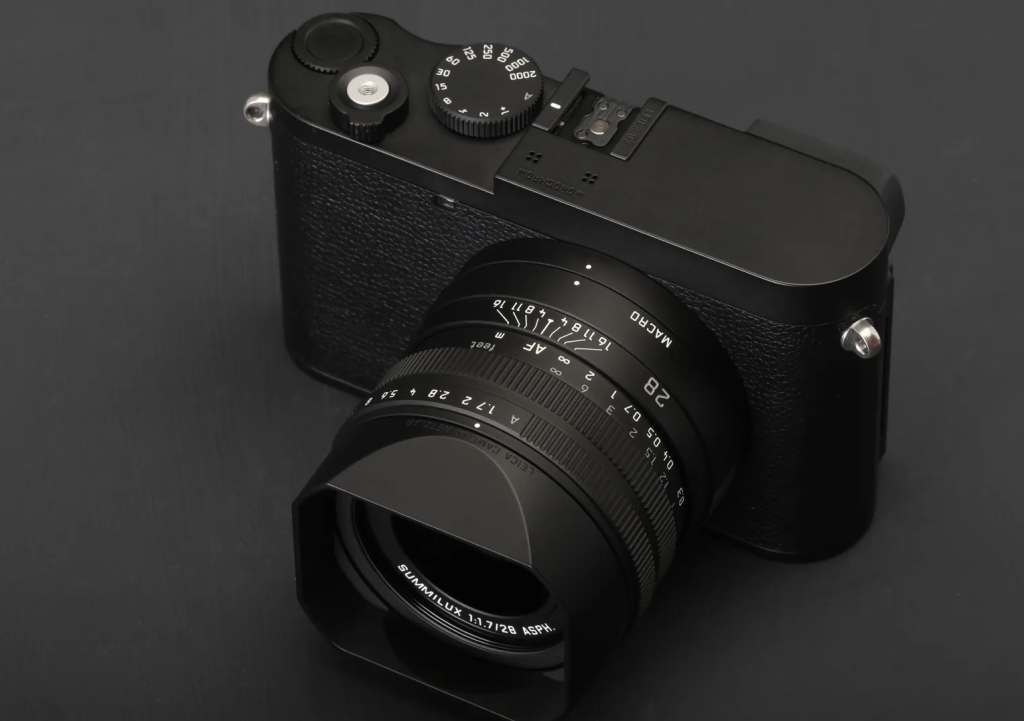
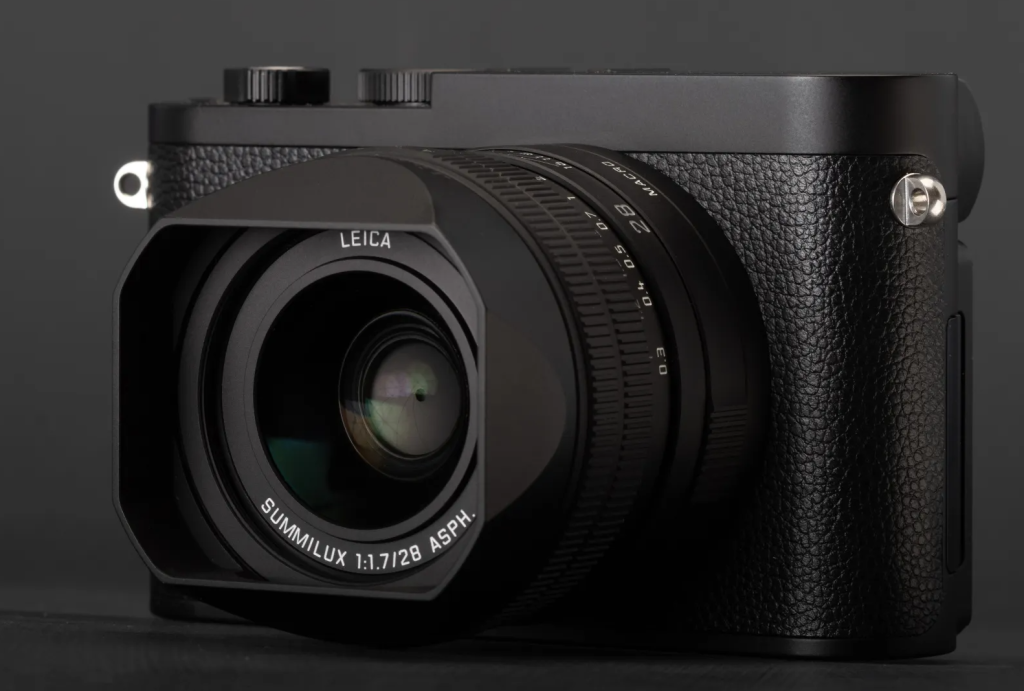
The Leica Q3 Monochrom is a full-frame fixed-lens compact built exclusively for black-and-white shooting, priced at $7790, serving as the successor to the older Q2 Monochrom. It uses a 61MP color-filter-free BSI CMOS sensor paired with the Maestro IV processor and a permanent Summilux 28mm F1.7 prime lens.
Removing the Bayer color filter delivers tangible imaging advantages. The sensor captures more light, offering roughly one stop better noise performance and smoother tonal gradation at equal ISO values, while eliminating demosaicing softness for ultra-sharp fine details. A key tradeoff is zero highlight recovery room once highlights clip, as there are separate color channels to pull detail from on standard color cameras, forcing shooters to prioritize careful exposure control.
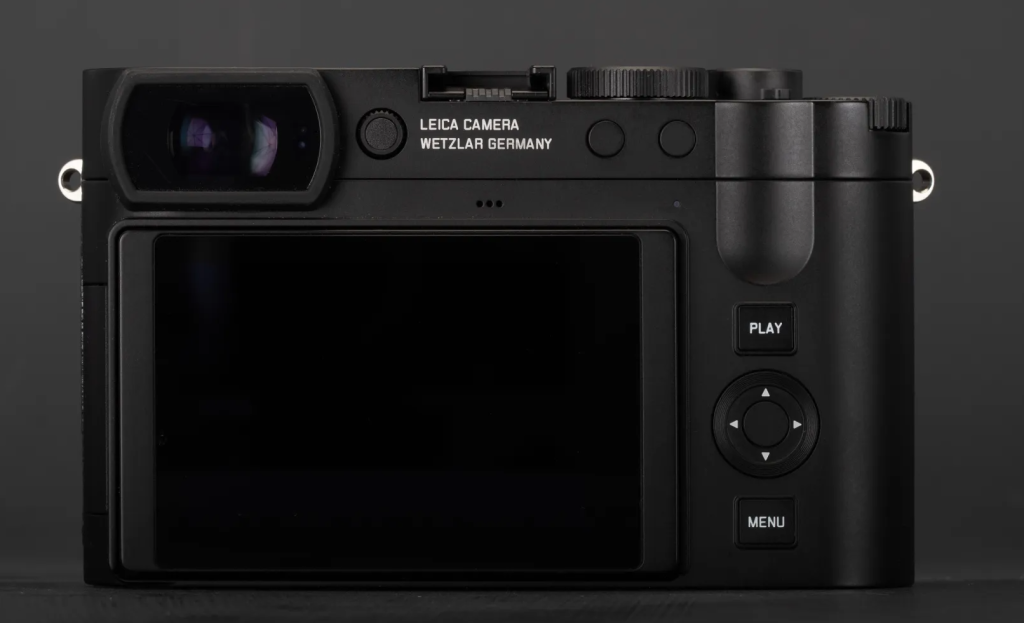
Unlike the color Leica Q3, this monochrome model only relies on contrast-detection autofocus without phase-detection points. It carries over premium display hardware: a 5.76M-dot 0.79x OLED EVF and a 3-inch 1.84M-dot tilt touchscreen, plus IP52 dust and splash resistance for mild outdoor use.
The camera receives a redesigned split user interface first seen on Leica SL3 bodies. Stills menus use red accents and video menus use yellow accents, toggled by screen swipes; all system icons are reworked for clarity. This updated UI will roll out to regular Q3 and Q3 43 via free firmware, though the exclusive CAI Content Credentials image signature tool stays locked to the Monochrom model.
Video functionality is fully featured for a monochrome compact. It records 8K 30p H.265 footage and 1080p up to 60p in Apple ProRes 422HQ, alongside built-in AI perspective correction to straighten architectural shots. Burst performance tops out at 4fps with continuous AF, jumping to 15fps with locked exposure settings.
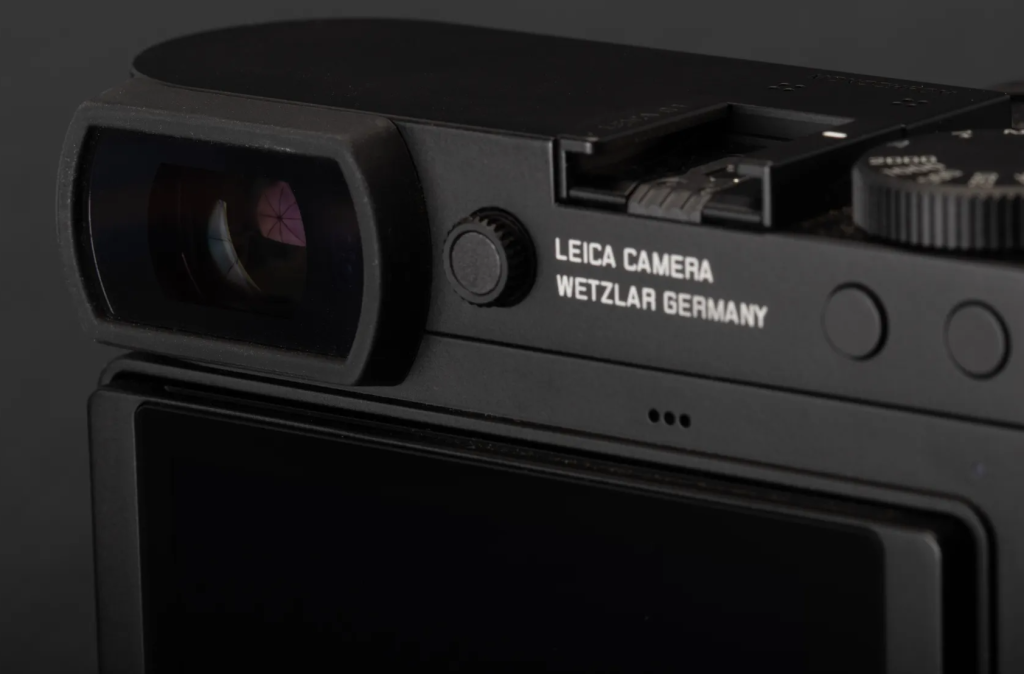
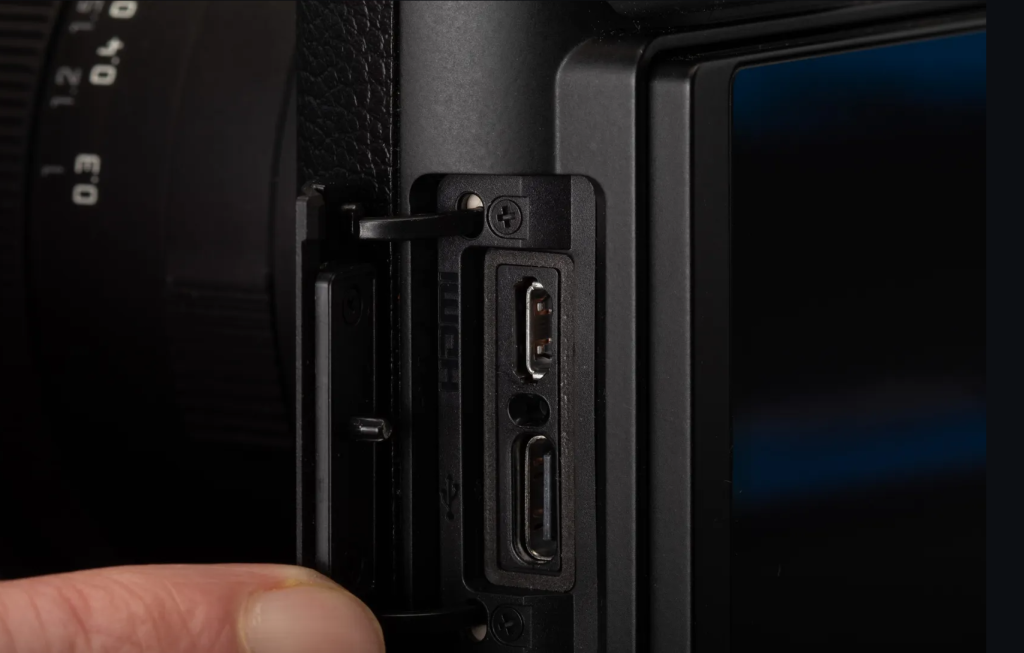
Body ergonomics mirror the standard Q3 layout. A physical aperture ring sits on the lens barrel, paired with a dedicated shutter speed dial on the top plate, plus a rear customizable command dial for ISO or exposure compensation. The lens includes a macro switch to shift minimum focus distance down to 0.17m. It runs on the BP-SCL6 battery rated for 350 shots per charge.
When stacked against competitors, it stands largely unrivaled for full-frame fixed-lens monochrome shooting. The smaller, cheaper Ricoh GR IV Monochrome uses an APS-C sensor and slower lens, delivering weaker light capture and resolution. The prior Q2 Monochrom falls behind in sensor resolution, EVF quality and wireless connectivity.
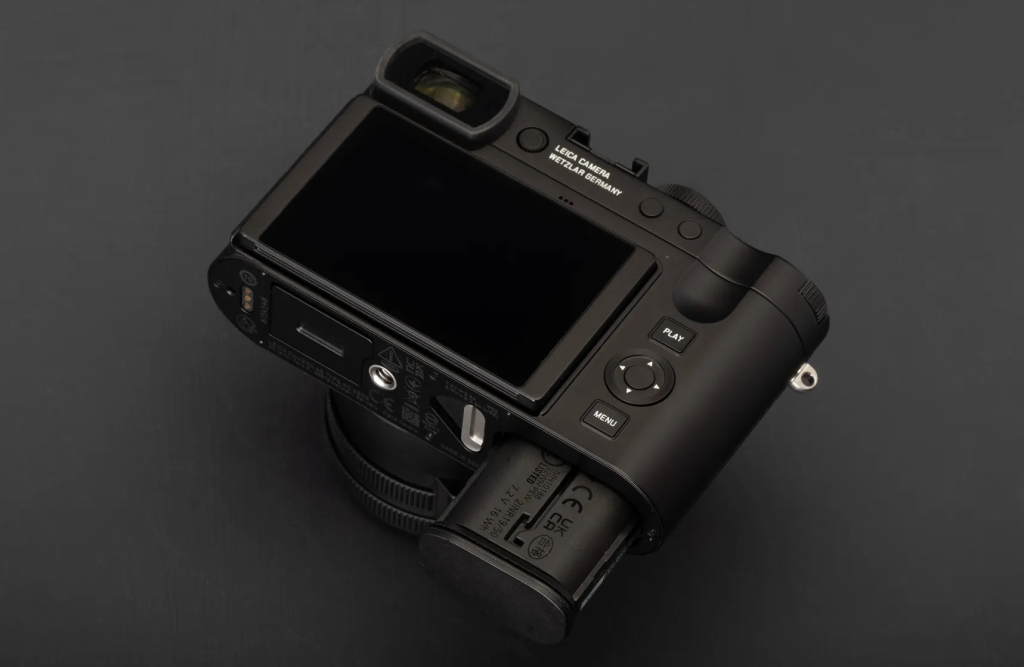
The core creative value of the camera lies in its intentional limitation to black-and-white capture. Shooting without color forces creators to prioritize light, shadow and texture instead of hues, a mental shift that simply switching a color camera to B&W mode cannot replicate. Its steep premium means it targets dedicated monochrome enthusiasts and collectors rather than general photographers.
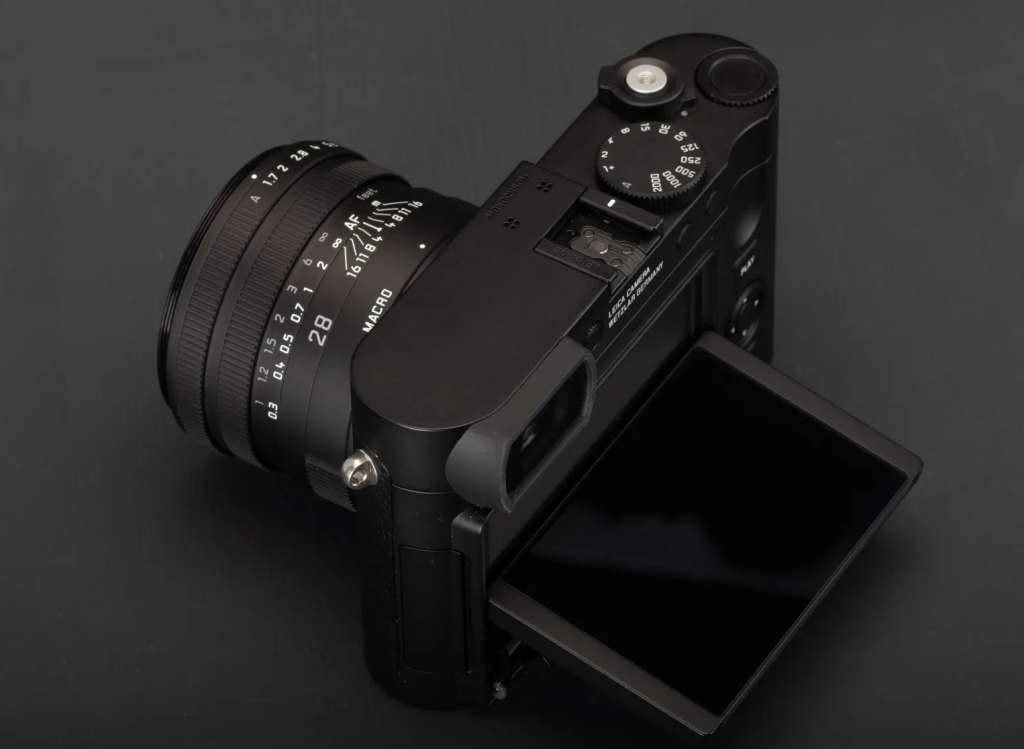
Minor drawbacks include slow continuous shooting speeds, lack of phase-detect AF, rigid 28mm native focal length, and very high retail cost that limits broad appeal. It excels for street, landscape and portrait shooters fully committed to black-and-white work, while casual creators will find far better value from standard color cameras with B&W profile options.