DPReview OM System OM-5 II Review Summary
Priced at $1199 body-only, the OM-5 II is a Micro Four Thirds compact mirrorless built for outdoor and travel shooters, scoring an overall 82%. It keeps the same 20MP sensor and processor as the original OM-5, with only targeted minor hardware and software tweaks rather than full hardware overhauls.
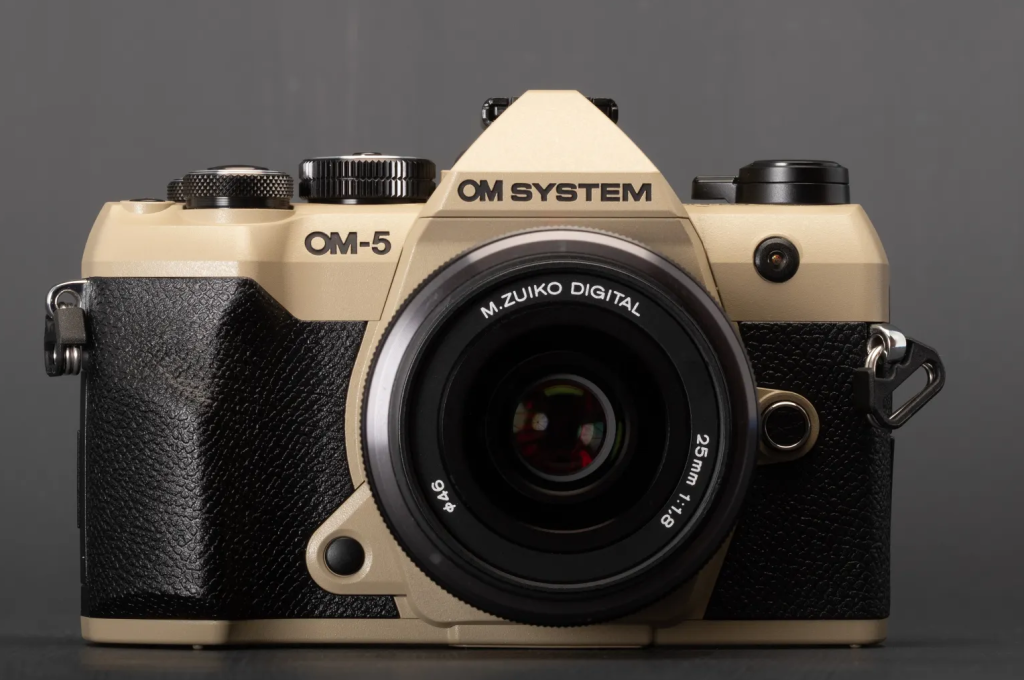
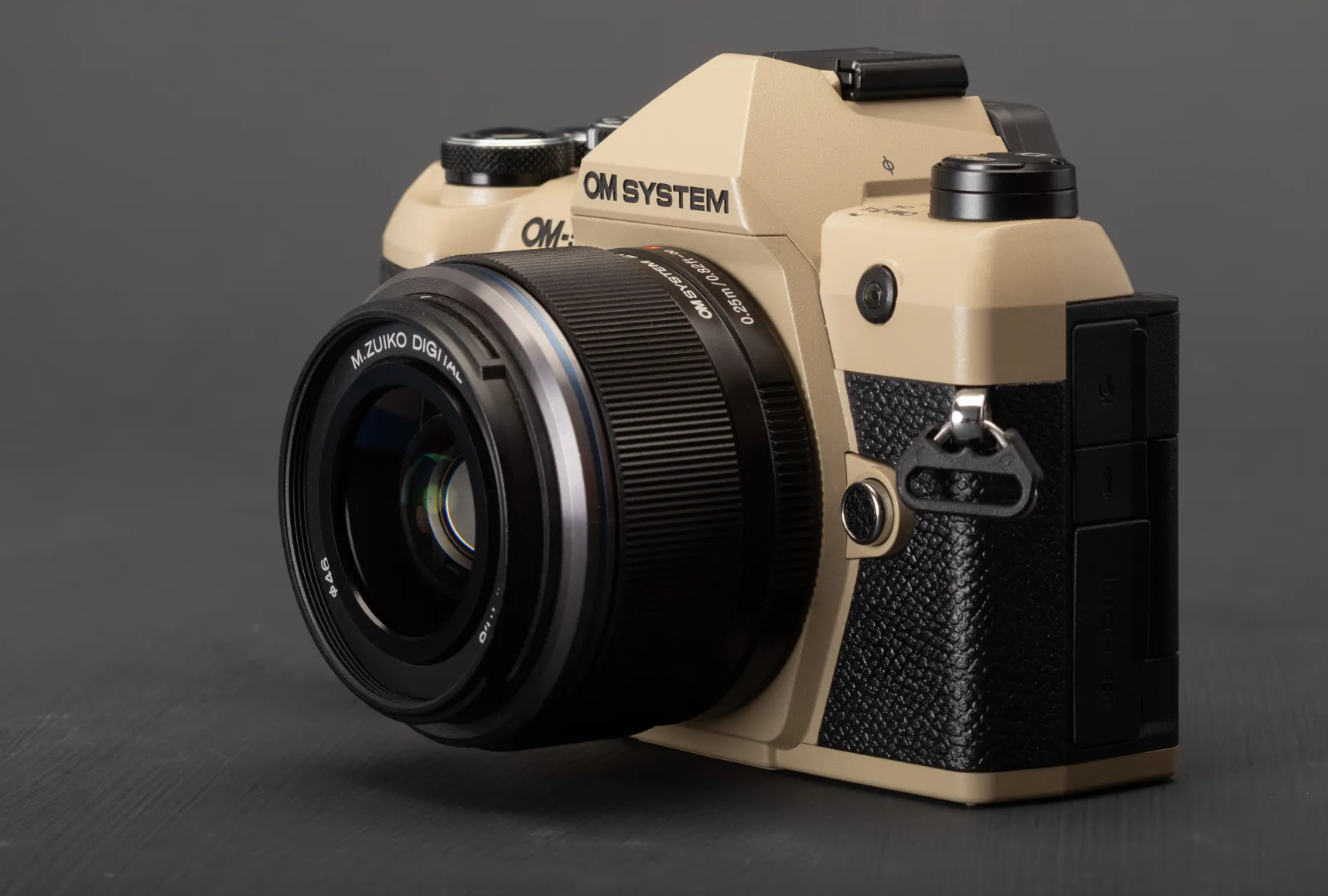
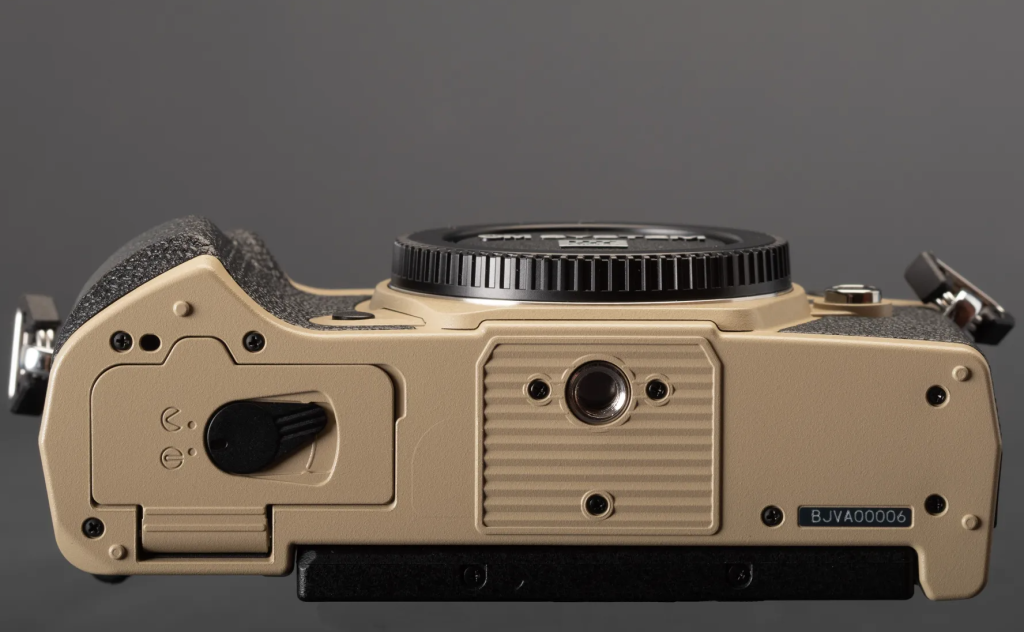
The most noticeable upgrade swaps the old microUSB port for USB-C, supporting power bank charging and webcam mode, though it still runs at slow USB 2.0 transfer speeds. The grip is slightly enlarged for better handhold, and the body adds a dedicated CP shortcut button for all in-camera computational modes like handheld 50MP multi-shot and Live ND. It also adopts the refined color-coded menu system from flagship OM models, which clearly explains locked functions instead of leaving users guessing. Two new OM Cinema color profiles and a front video tally light are added for video work, alongside Night Vision and Handheld Assist live view aids for low-light long exposures. It comes in black, silver and a new sand beige finish, with unchanged IP53 dust/splash and freeze resistance down to -10°C.
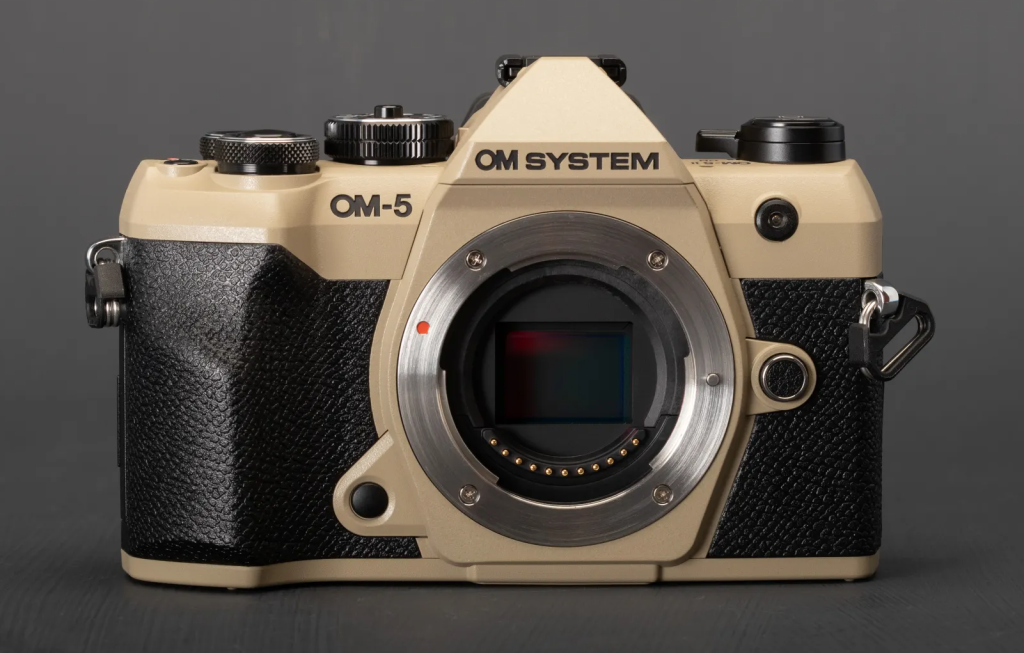
Stills image quality matches the OM-5 almost identically. Base ISO Raw files deliver clean detail, natural JPEG color rendering, and solid dynamic range with flexible shadow lifting, though its smaller Four Thirds sensor brings more high-ISO noise than APS-C rivals like Fujifilm X-S20 or Nikon Z50 II. Its biggest strength is the up-to-7.5EV synchronized IBIS when paired with compatible lenses, ideal for tripod-free outdoor shooting. The full suite of computational modes stays onboard, but multi-shot high-res processing takes over 15 seconds and drains battery quickly, limiting real-world usability for moving subjects.
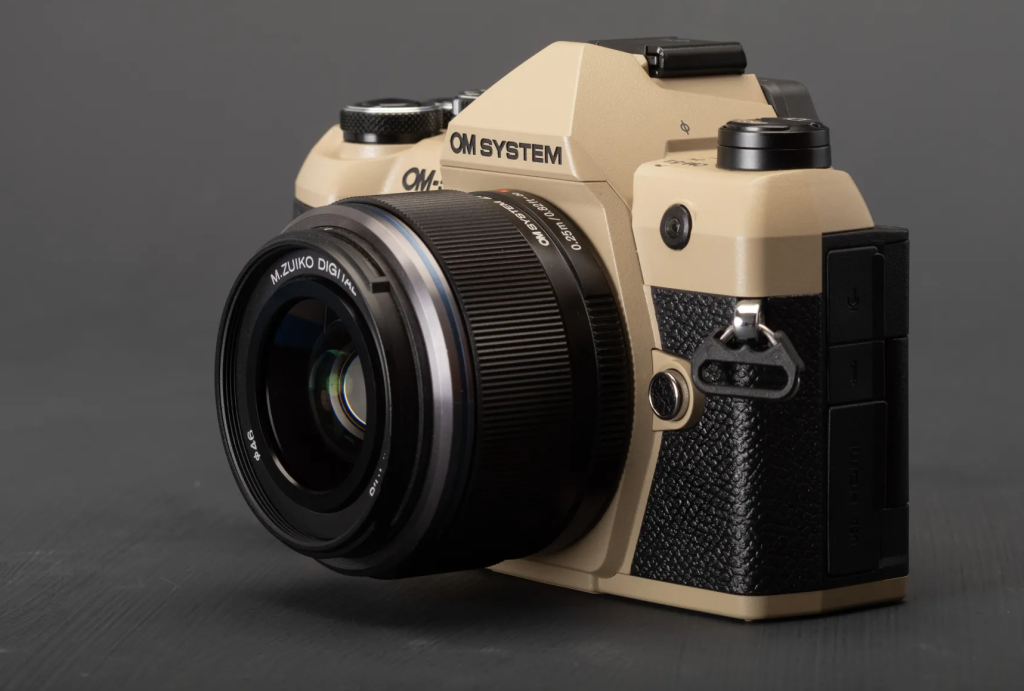
Autofocus holds back its competitiveness against similarly priced competitors. It only detects human eyes without animal, bird or vehicle tracking, and face detection overrides manual AF points automatically. Tracking performance drifts easily on fast-moving subjects, and AF point coverage only spans 60% of the sensor. Burst specs hit 30fps with locked exposure, 10fps continuous AF electronic shutter and 6fps mechanical shutter, plus adjustable pre-capture.
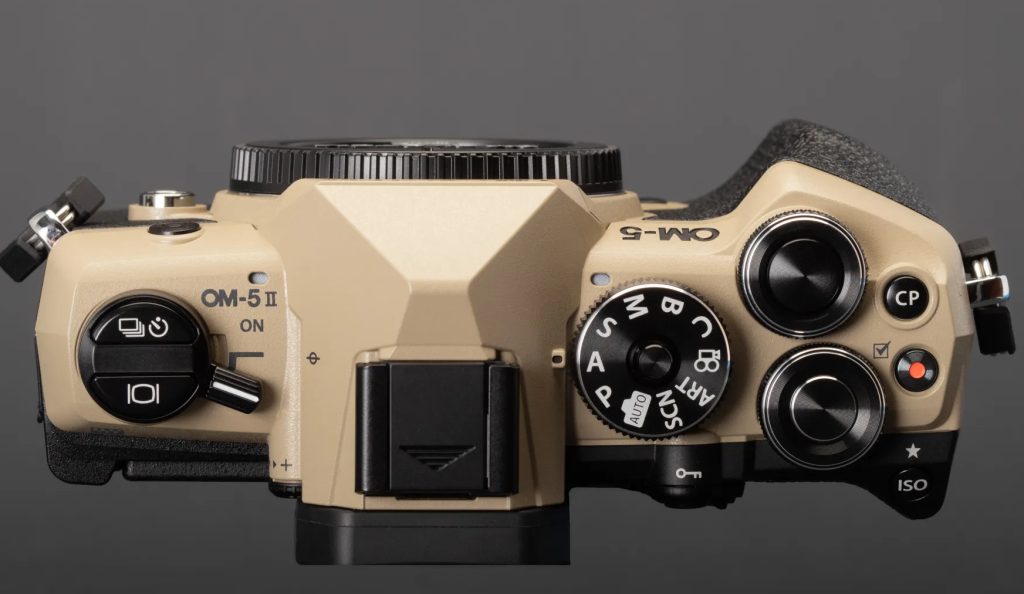
Video tools feel dated by 2025 standards. It maxes out at full-width 4K 30p without 60p slow motion, only offers 8-bit Log footage and lacks waveform, false color monitoring and LUT previews. There is a mic input but no headphone jack for audio monitoring, even via adapters. Rolling shutter performance during 4K 24p is decent, yet the limited color grading flexibility makes it a poor pick for serious filmmakers.
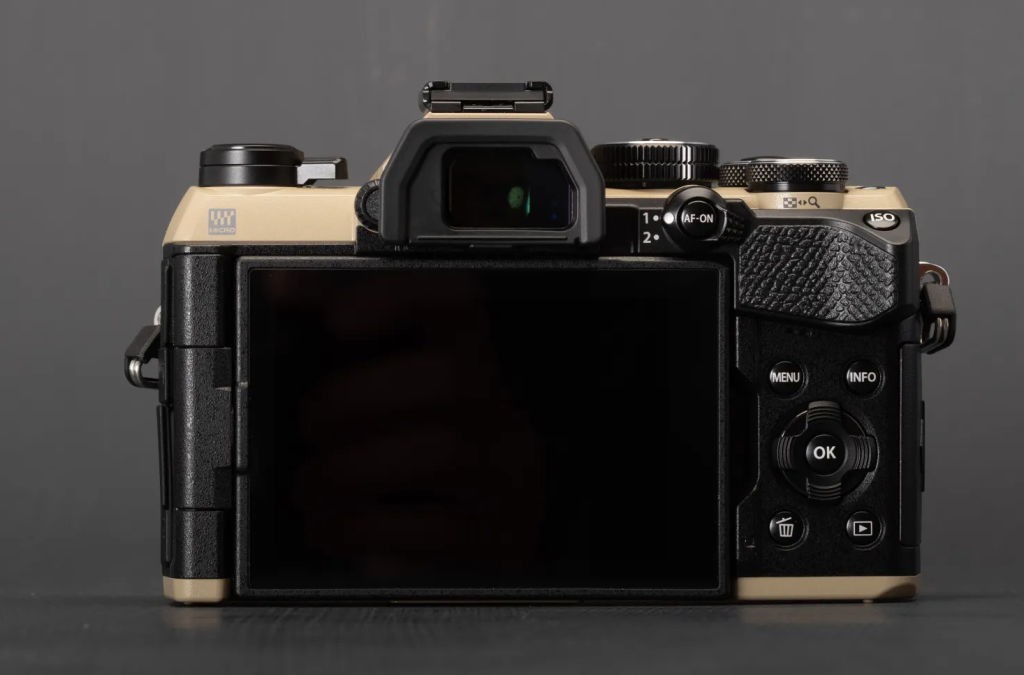
When stacked against Canon R10, Nikon Z50 II and Fujifilm X-S20, the OM-5 II’s unique selling points are its compact lightweight 418g body, certified IP weather sealing and class-leading in-body stabilization. Rivals offer richer AF subject recognition, higher resolution sensors, superior video specs and built-in flashes, while many cost less. It also loses compatibility with the FL-LM3 flash that worked on the original OM-5, a frustrating downgrade. Battery life sits at just 310 CIPA shots per charge, meaning spare power banks are necessary for all-day outdoor trips.
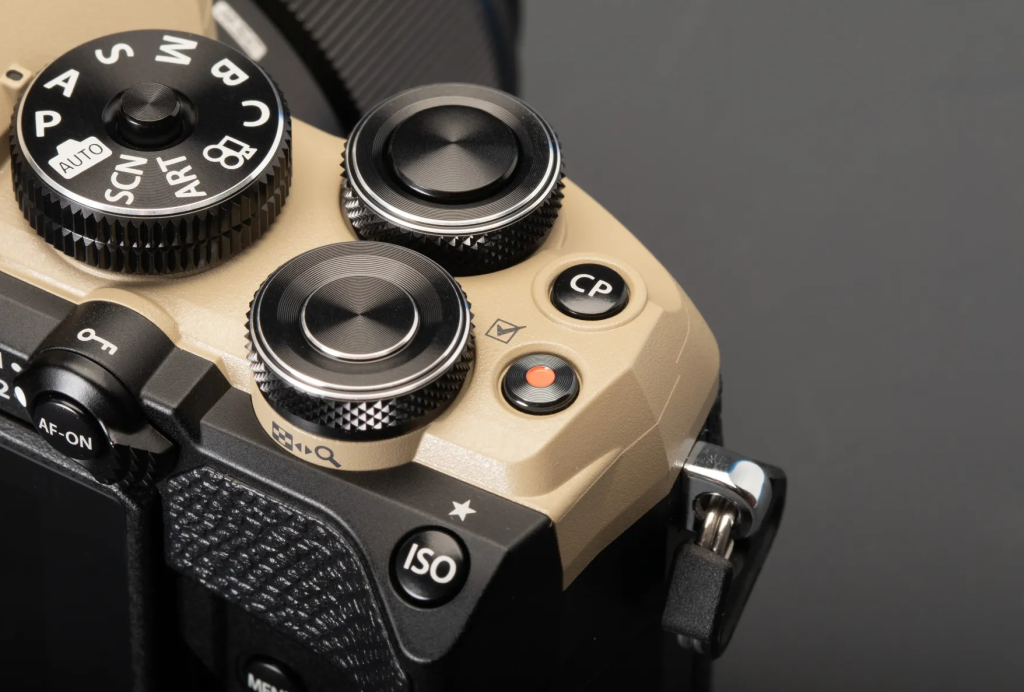
Daily shooting experience is mostly positive thanks to light weight, fully customizable top buttons and the helpful new menu layout, but design compromises show its age. The function switch cannot toggle eye tracking alongside general AF tracking, and many advanced shooting functions cannot be mapped to physical controls.
Its core audience is casual hikers, landscape and travel photographers who prioritize portability and weather protection over fast action shooting or professional video work. For anyone focused on wildlife, sports or content creation, competing APS-C cameras deliver far more capable core performance at comparable price points. The original OM-5 now sells for a discount, making the Mark II’s incremental upgrades hard to justify for budget buyers who can tolerate older ports and menus.