DPReview Hasselblad X2D II 100C Review Summary
The Hasselblad X2D II 100C scores 90% overall, priced at $7399 body-only, a notable price cut from the original X2D 100C. It carries a 102MP 44×33mm medium-format BSI sensor and is built purely for still photography with zero video recording functions, standing out with full end-to-end HDR workflow as its core selling point.
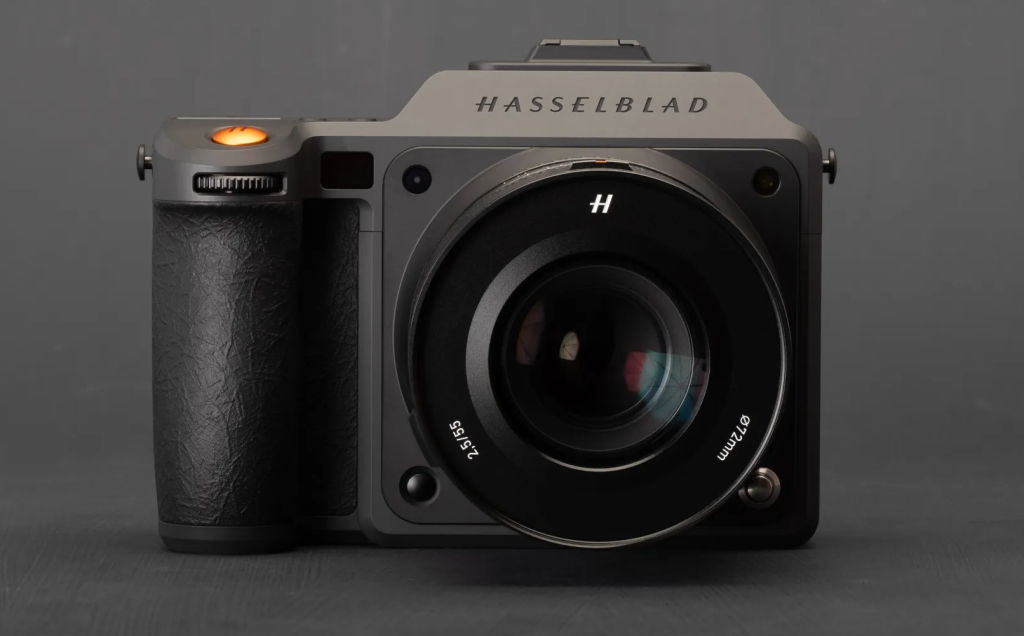
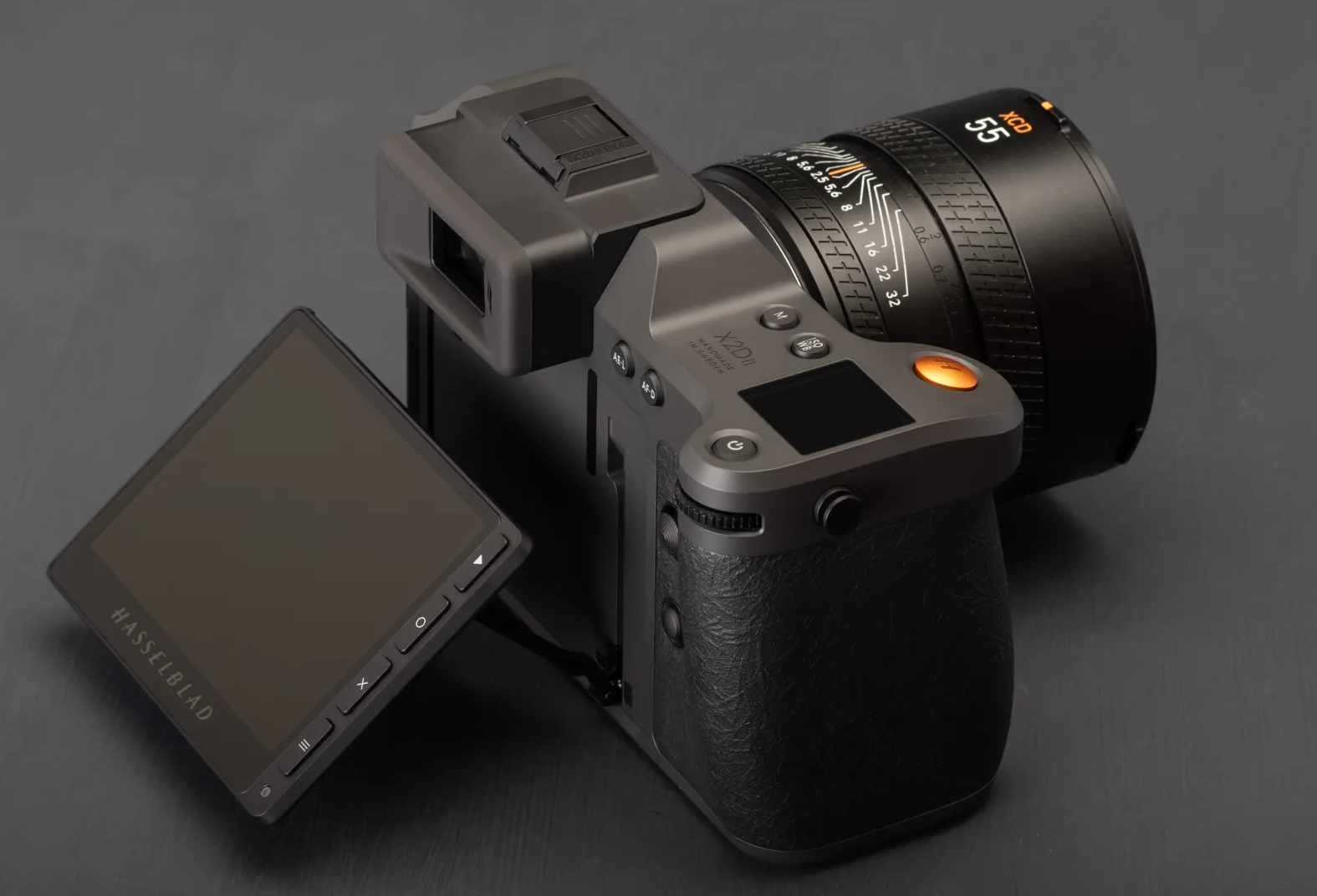
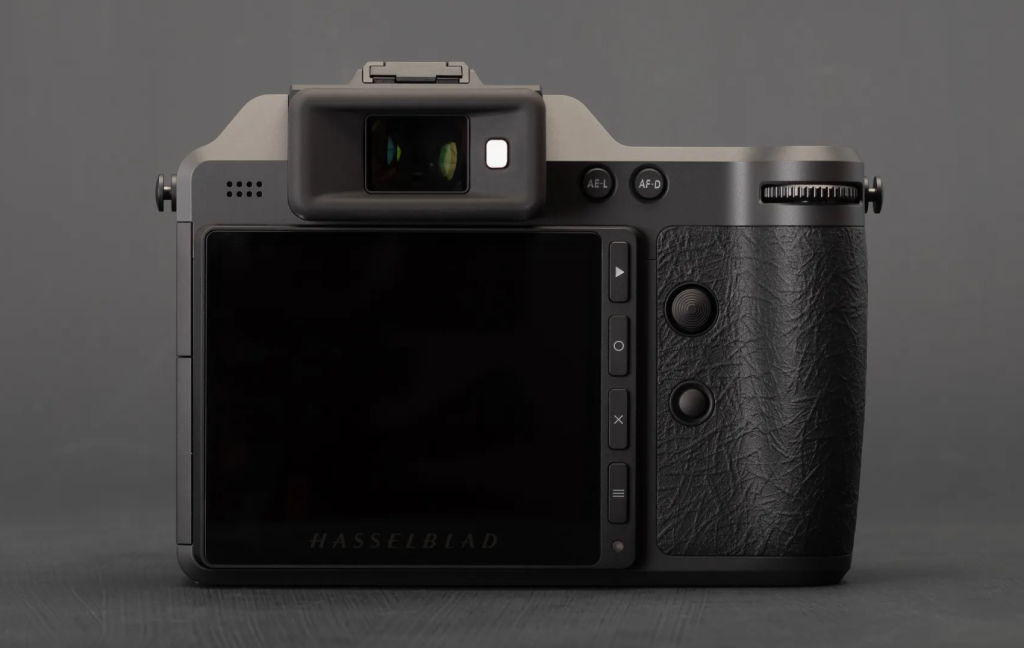
Major upgrades separate it from the first-generation model. It introduces AF-C continuous autofocus paired with expanded 425 phase-detection points and integrated LiDAR ranging, supporting AI tracking for humans, pets and vehicles, though this feature only works with newly firmware-updated XCD lenses. Its 5-axis IBIS jumps from 7EV up to a maximum 10EV shake compensation, enabling long handheld exposures without tripods. The rear panel gets a bright 3.6-inch 1400-nit tilting OLED screen that previews HDR effects, plus a customizable 5-way joystick and extra remappable physical controls for faster operation. Storage includes built-in 1TB SSD alongside a CFexpress Type B card slot for backup, while the front AF lamp doubles as a self-timer indicator.
Its proprietary HDR system differs from competitors’ formats. It outputs Ultra HDR JPEGs with embedded brightness maps for universal device compatibility and HEIF HDR files, delivering around three extra stops of tonal range. This HDR mode activates automatically in P/A/S exposure modes and shuts off in full manual to avoid altering intentional creative exposure choices. Hasselblad’s HNCS color science produces natural, low-saturation base tones, and the updated Phocus Mobile 2 app supports editing and reprocessing HDR Raw files shot on older Hasselblad bodies.
In side-by-side comparison with Fujifilm GFX 100S II and Sony a7R V, the X2D II holds unique strengths and clear drawbacks. It beats rivals on native leaf shutter lenses that sync flash at any shutter speed, superior IBIS, built-in large-capacity SSD and the exclusive end-to-end HDR pipeline. The Fujifilm offers faster 7fps burst shooting, longer battery life and richer built-in film profiles, while the full-frame Sony a7R V costs far less and adds complete video functionality. All XCD lenses carry leaf shutter hardware, which makes them bulkier and more expensive than competing medium-format optics, and third-party adapters force reliance on slow electronic shutters.
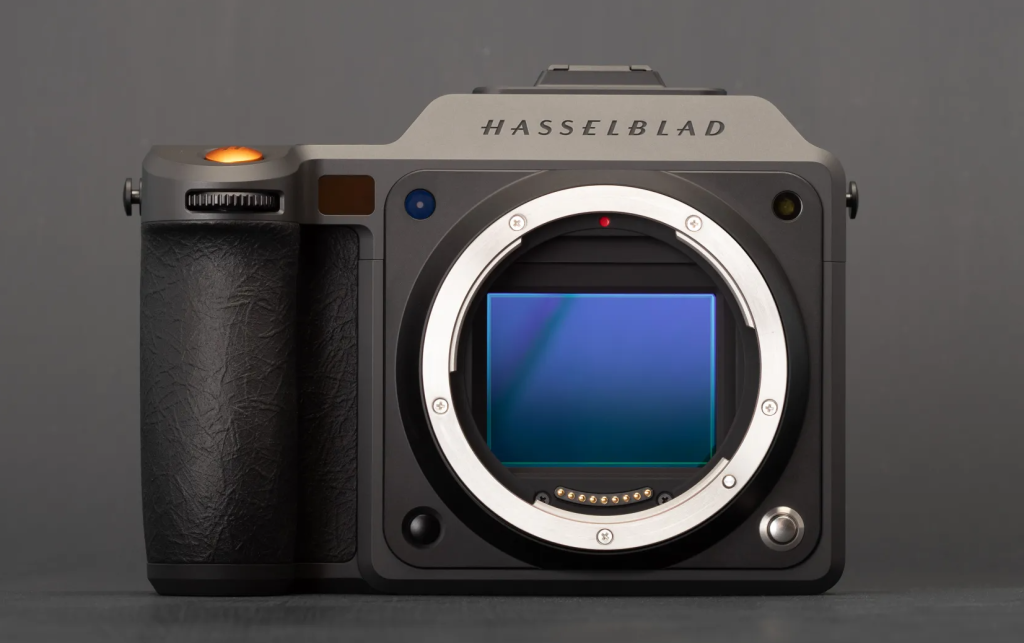
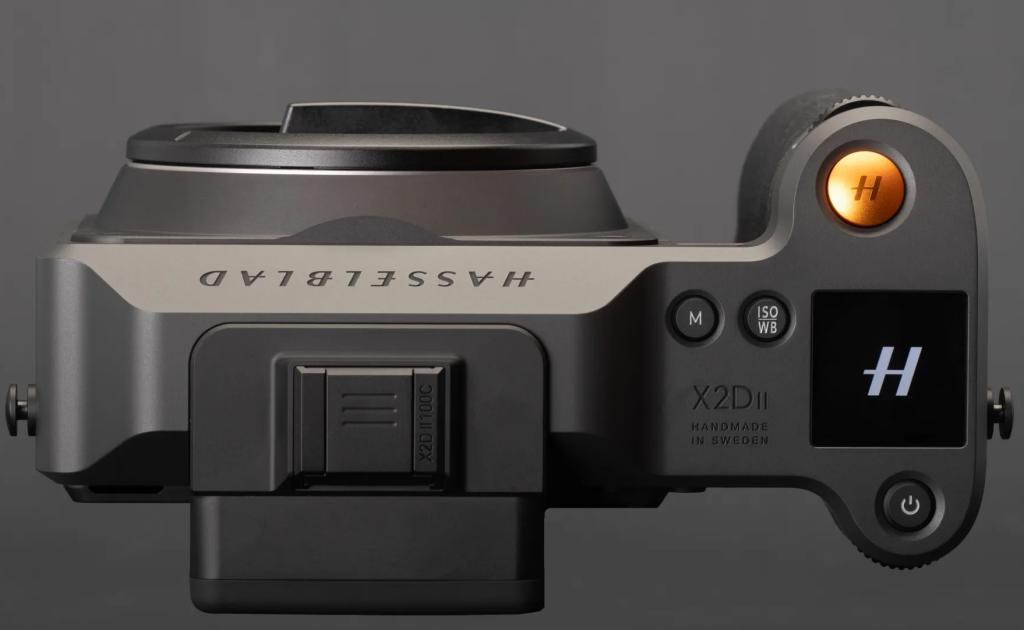
Body handling balances portability and premium build at 840g, with a textured reshaped grip and top mini status screen for quick parameter checks. The menu layout is streamlined with straightforward swipe navigation, and most top, front and rear buttons can be reassigned to user-preferred functions. CIPA battery rating sits at 327 shots, adequate for slow-paced studio or landscape shoots but requiring spares for all-day outdoor work. Minor usability flaws include slow camera startup and inconsistent file write speeds after high-res bursts.
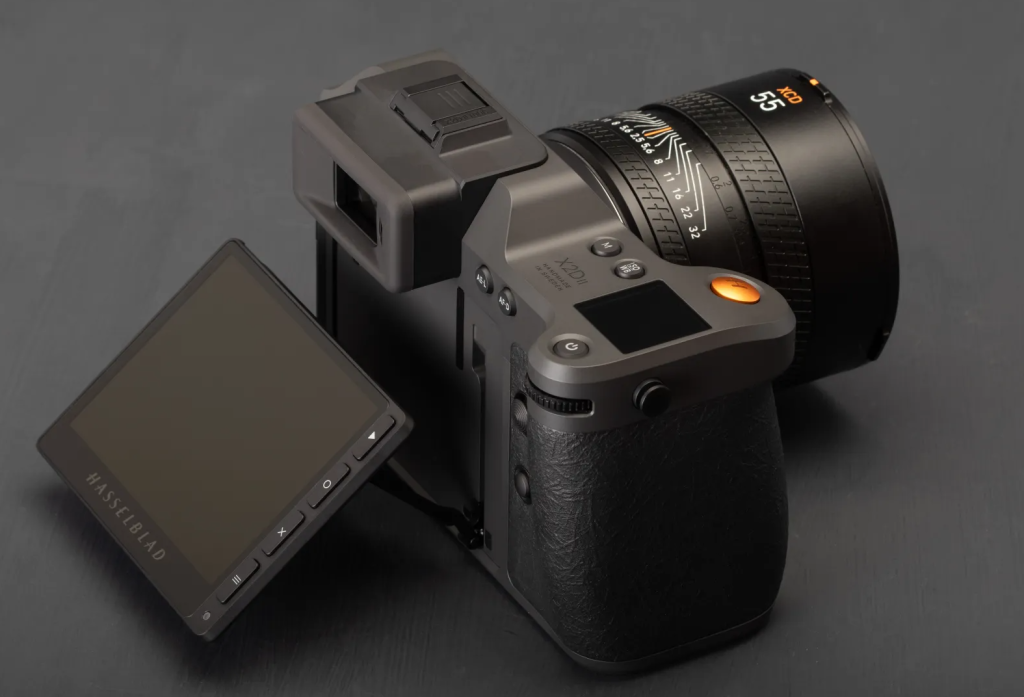
Image quality delivers exceptional fine detail and clean base ISO performance. Raw files boast wide exposure latitude and minimal shadow noise, while out-of-camera JPEGs lag behind Fujifilm in micro-sharpness. High ISO performance remains usable with mild chroma noise, and the camera’s wide native dynamic range pairs perfectly with its HDR capture system for high-contrast scenes. Autofocus reliability varies heavily by lens; the new XCD 35-100E zoom achieves steady eye tracking for portraits, while older primes show slower response.
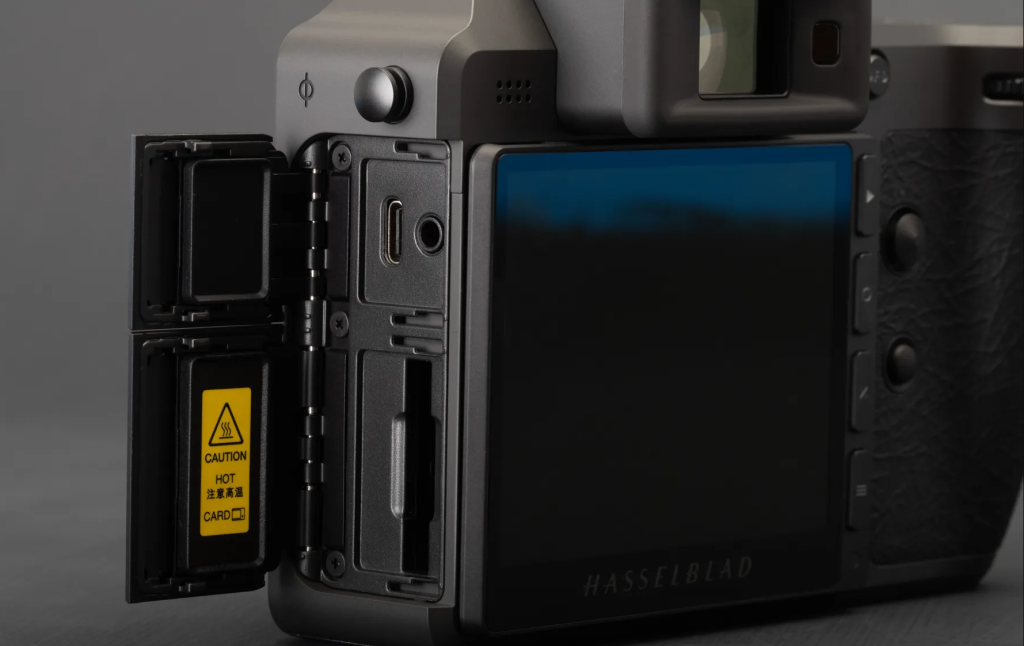
Overall, this medium-format camera vastly improves the usability pain points of its predecessor. It removes the previous model’s biggest limits—lack of continuous AF and weak stabilization—making handheld outdoor medium-format shooting practical for landscape, portrait and street creators. Its biggest compromises are slow performance quirks, expensive lens ecosystem and total absence of video tools, so it suits dedicated stills professionals rather than hybrid shooters focused on motion work.