Detailed Article Summary: Creative Photoshoot Ideas: Reflections That Pop
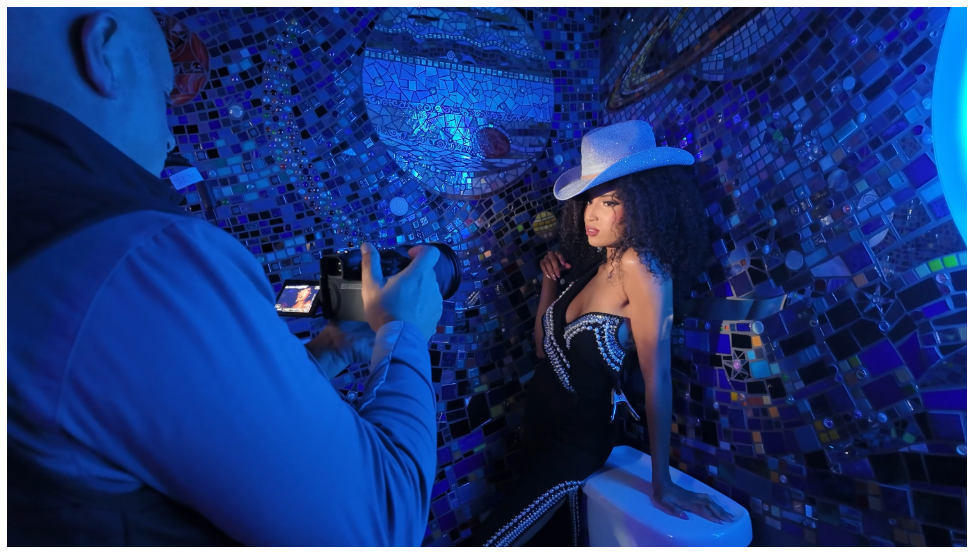
Released March 30, 2026 on Behind the Shutter by photographer Sal Cincotta, this tutorial focuses on unlocking creative portrait shots using mirror reflections within seemingly restrictive small spaces, illustrated by a fashion shoot set inside a mosaic-tiled compact bathroom.
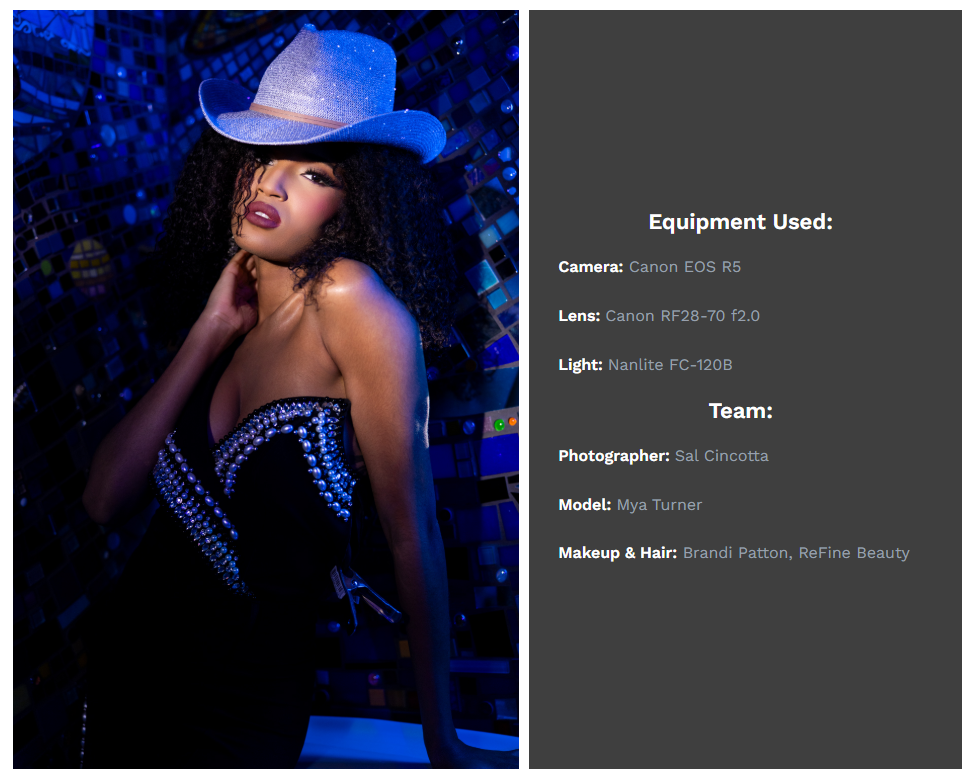
The shoot lineup includes model Mya Turner, makeup artist Brandi Patton, Canon EOS R5 paired with Canon RF28-70 f2.0 zoom lens, and Nanlite FC-120B bi-color LED as the sole lighting source. The core viewpoint of the article is that photographers should stop avoiding cramped, visually busy locations like patterned bathrooms; instead, they can turn these challenging venues into high-impact editorial sets by centering compositions around reflective mirror surfaces and exercising precise light control.
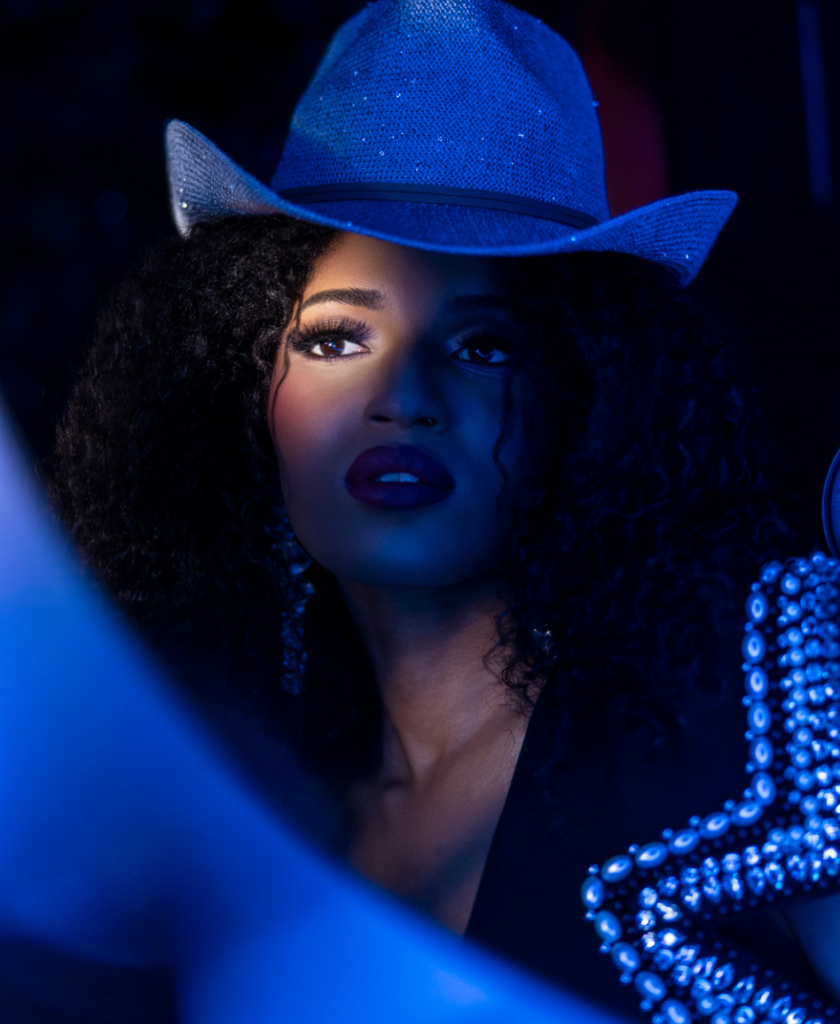
The article first guides readers to shift their mindset when evaluating limited spaces. Most photographers treat cluttered mosaic walls and narrow layouts as drawbacks and try to frame out messy details, but this piece argues the opposite strategy works better. Rather than capturing the whole room, narrow your focus to isolate key reflective elements such as wall mirrors. Mirrors act as a creative framing tool to build layered visuals, filter out unwanted background clutter, and let you fully control which parts of the scene appear to viewers, shifting your workflow from simply documenting a location to actively designing every frame.
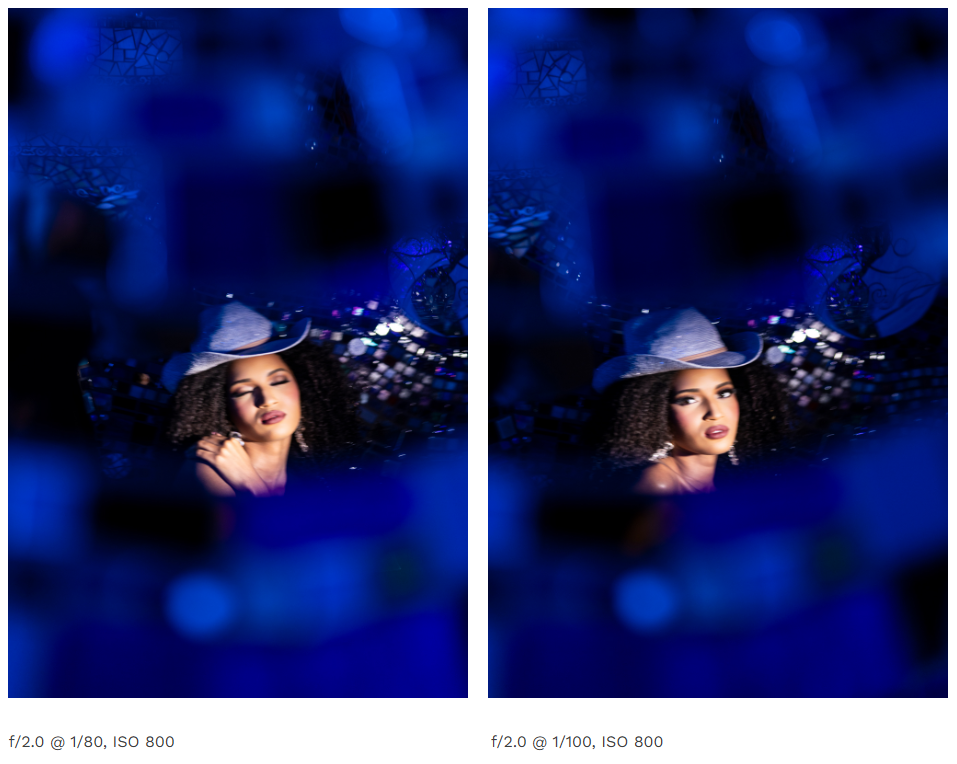
Reflections are highlighted as the core creative engine of the entire concept. Instead of shooting the subject straight-on, the tutorial recommends positioning the camera to capture the model indirectly via mirror reflection. This method delivers three immediate creative benefits: it naturally compresses the frame to cut down visual noise, adds multi-layered depth without overcrowding the image, and builds a moody, cinematic atmosphere that direct shots struggle to match.
A critical rule shared is to keep most of the surrounding room shrouded in shadow, so the mirror reflection becomes the unmissable focal point, transforming even chaotic mosaic tile walls into a clean, stylized backdrop. Photographers can further boost depth by shooting through blurred foreground reflective or translucent objects to add soft bokeh layers in front of the subject’s mirrored form.
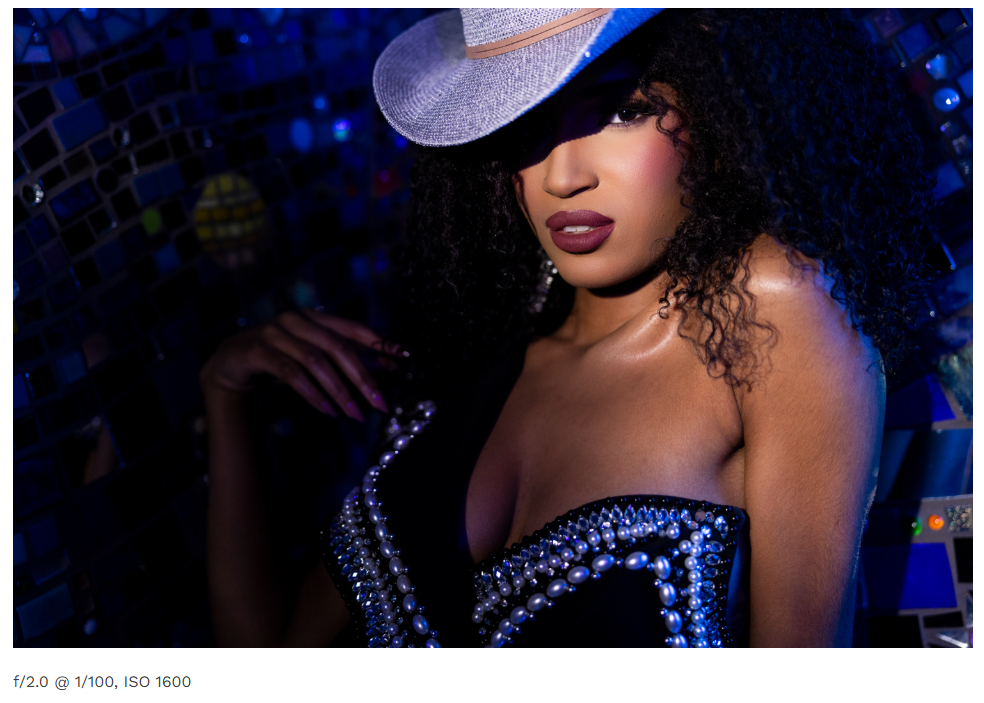
Controlled directional lighting is emphasized as the foundation for making reflections stand out. The setup uses only one Nanlite FC-120B light at low power output, avoiding full-room illumination. Instead of flooding every surface with brightness, you only cast focused light onto the model’s face and upper body, letting the rest of the bathroom sink into deep shadow. The guide also shares light-bouncing tricks: bounce soft light off surrounding walls to wrap gently around the subject for smoother skin tones, and play with contrasting color temperatures to create separation. In this blue-tiled bathroom, cool blue ambient tones from the mosaic tiles contrast with neutral key light on the model, sharpening the subject’s outline against the background and making the mirror reflection pop dramatically.
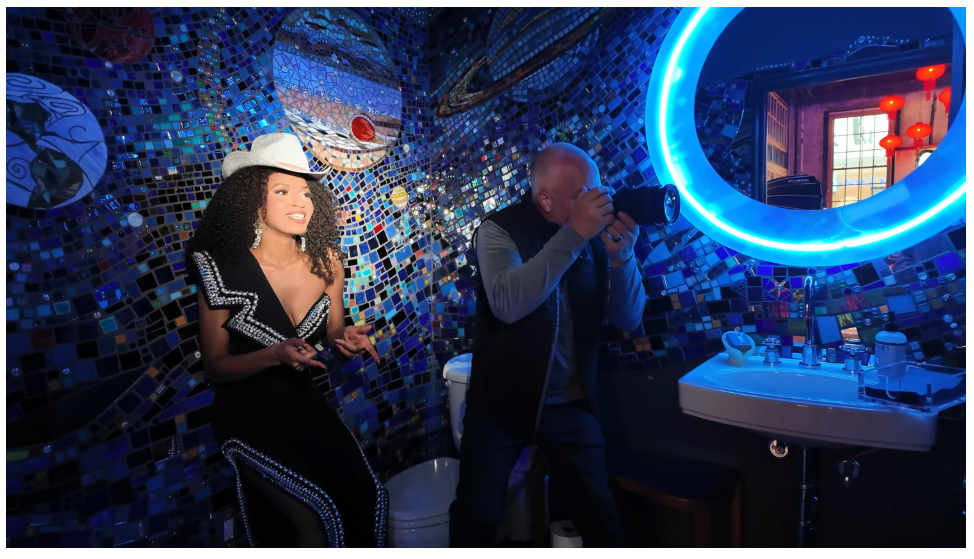
The article covers tailored posing guidance designed specifically for mirror reflection shooting in tight spaces. Since every body position will be duplicated in the mirror, tiny pose adjustments carry amplified visual weight. Photographers should coach the model to make subtle head tilts toward the light source, adjust eye gaze either into the mirror or slightly off-frame for varied emotion, and refine hand placement near the jaw, shoulder or torso to add elegant visual lines. Minor shifts of wrists, arms or shoulder angles completely alter the tone of the mirrored portrait, and consistent small tweaks prevent repetitive shots during a session with limited movement room.
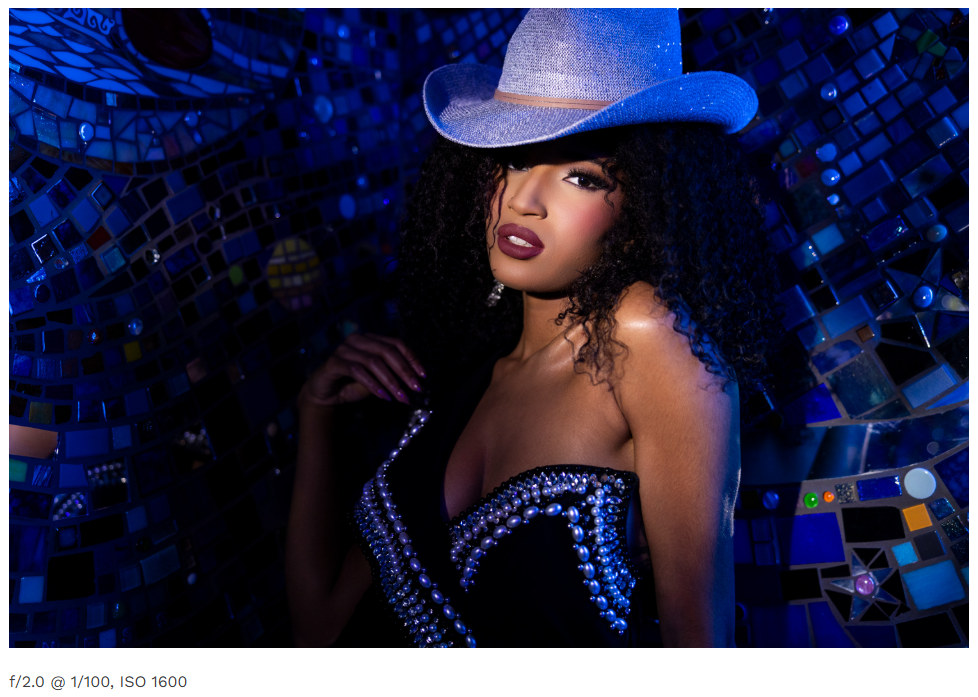
To maximize output from a single confined location, the tutorial encourages constant experimentation with framing and camera angles. Photographers can toggle between vertical and horizontal aspect ratios, raise or lower shooting height, and shift side-to-side to re-align how the mirror reflection overlaps the mosaic background. Two distinct framing styles are suggested: tight close-ups focused on the model’s face inside the mirror for sharp editorial aesthetics, and wider full-body shots that retain subtle hints of the colorful tiled environment for contextual storytelling. All these variations can be captured without moving the model or repositioning major gear, drastically expanding the gallery variety from one tiny set.
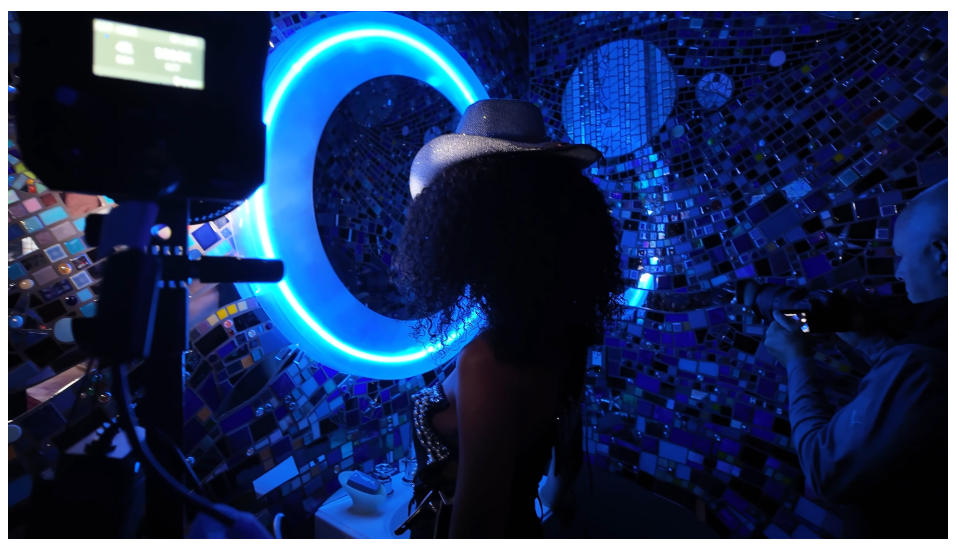
The final takeaway reinforces that creative breakthroughs often come from overlooked, limiting locations instead of polished, generic backdrops. With nothing more than a mirror, a single portable continuous light and flexible posing direction, any cramped room can produce unique, eye-catching reflective portraits. This workflow pushes photographers to rethink location limitations as creative opportunities, and practicing reflection-based shooting builds stronger light-shaping and compositional skills that transfer to all portrait genres.