Capture Iconic Hidden NYC Scenes: Outdoor Photography Travel Guide
New York City delivers unmatched diversity for travel photographers, blending towering modern skyscrapers, historic architecture, lush urban green spaces, and culturally rich neighborhood streetscapes all within short transit rides. I firmly believe skipping only famous tourist hotspots to explore lesser-known boroughs and elevated walkways will make your NYC portfolio far more unique than generic skyline shots every other visitor captures.
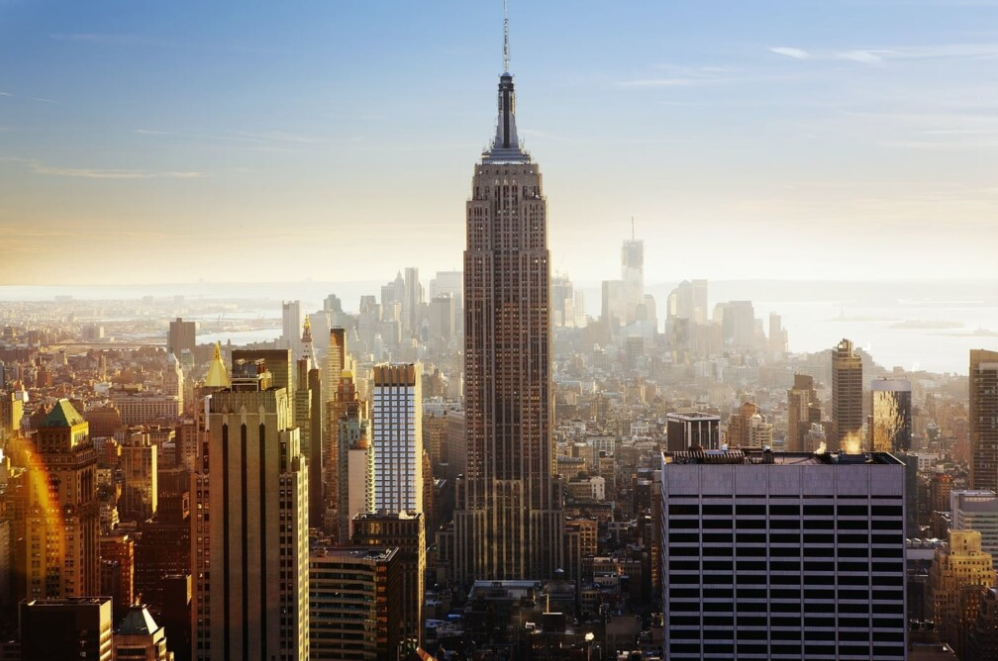
Sky observation platforms form the backbone of Manhattan wide-angle landscape shots, yet each deck carries a distinct photographic character worth noting. Top of the Rock at Rockefeller Center stands my personal favorite for golden hour shooting, as its unobstructed framing of Central Park paired with the Empire State Building creates balanced layered compositions.
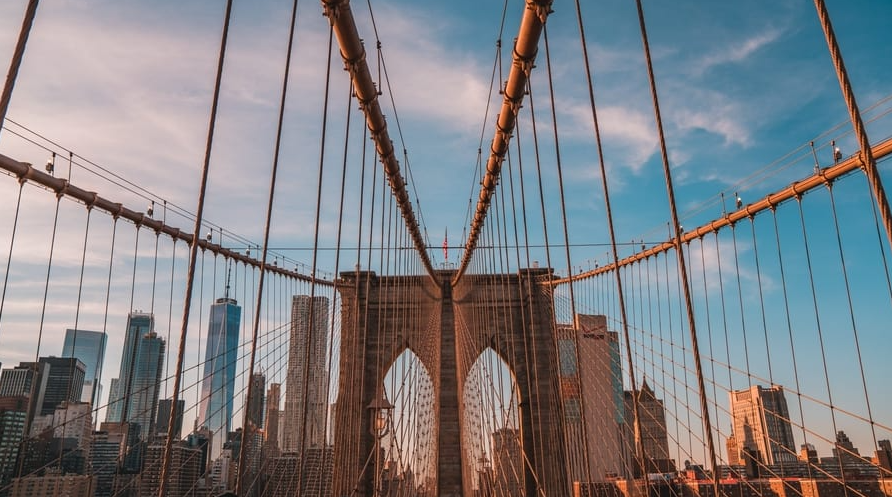
SUMMIT One Vanderbilt leans into artistic reflective glass surfaces for surreal mirror-effect frames, while The EDGE’s protruding triangular glass floor delivers dramatic vertigo-style aerial perspectives ideal for creative long-exposure work. The Empire State Building’s open-air 86th floor deck suits classic city silhouettes at sunset, and One World Observatory offers unobstructed south-facing views toward the Statue of Liberty and Brooklyn waterfront. All these observatories reward early arrival to avoid heavy midday crowds that clutter foregrounds.
Waterfront and bridge locations supply endless dynamic coastal photography opportunities. Walking the Brooklyn Bridge at blue hour lets you frame Manhattan’s glowing skyline through its iconic steel cable arches, a timeless composition many outdoor photographers prioritize. Hudson River sunset cruises and Staten Island’s free ferry pass close to Lady Liberty, perfect for silhouette shots against orange dusk skies. Further out, Coney Island’s vintage Wonder Wheel Ferris wheel and wide sandy beach blend retro amusement park textures with open ocean backdrops, great for vibrant street landscape captures. Los Gigantes-style cliffs don’t exist here, but NYC’s waterfront piers and Brooklyn Bridge Park’s grassy shorelines offer soft foreground elements to anchor city skyline panoramas.
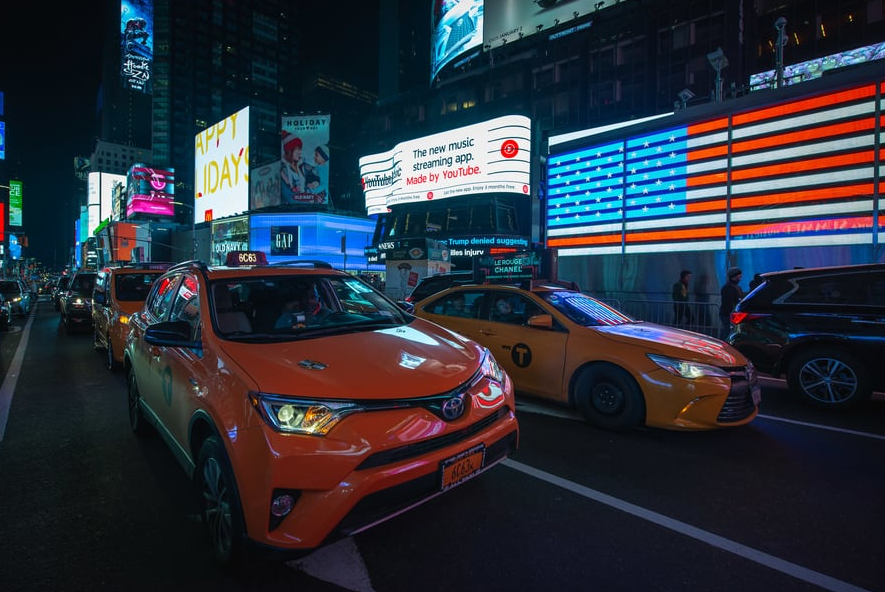
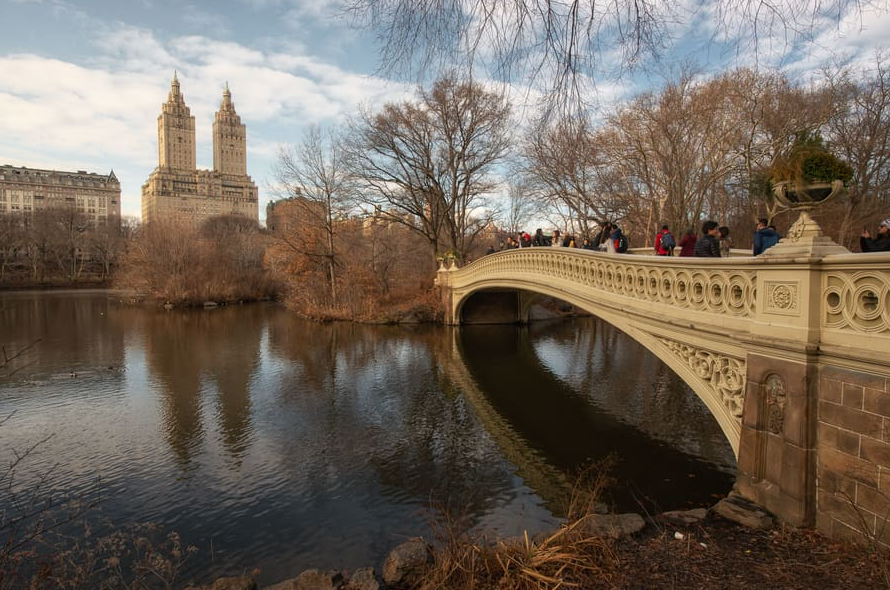
Manhattan’s green urban parks provide essential contrast to concrete skyscraper scenery. Central Park’s Bow Bridge is the most photographed spot within the park, its curved stone arch mirroring perfectly in calm lake water during windless mornings. Beyond the famous bridge, lesser-traversed trails around Belvedere Castle and Strawberry Fields deliver quieter natural frames without tourist crowds crowding the shot. The High Line, an elevated repurposed railway garden, mixes wild native foliage with glass high-rise backdrops; soft overcast light eliminates harsh glare on building facades here, making it ideal for midday shooting when downtown light is unflattering. Bryant Park, adjacent to the New York Public Library, adds seasonal photographic subjects—winter ice rinks and spring flower beds create gentle foreground layers for the library’s Beaux-Arts stone facade.
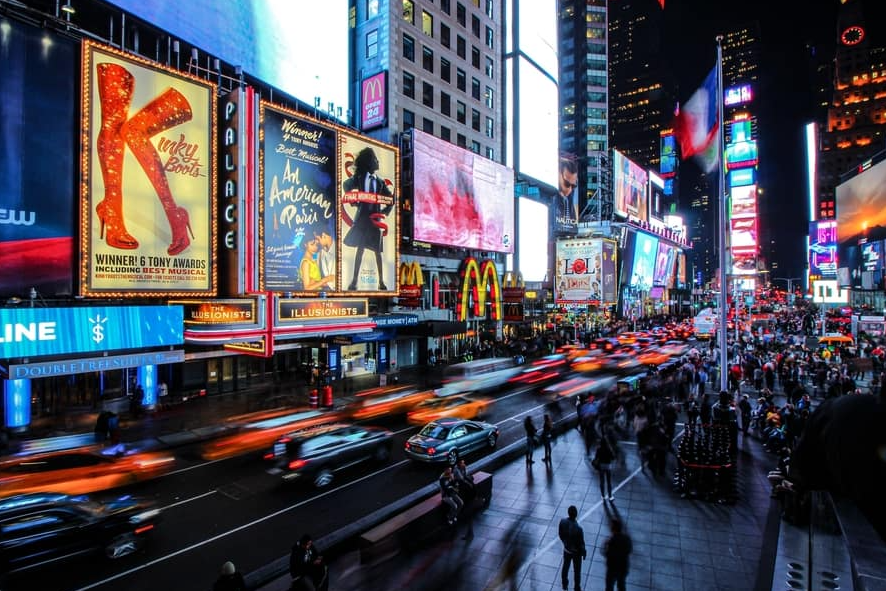
Cultural neighborhoods unlock vivid street and architectural photography that sets your work apart from standard skyline reels. Fifth Avenue’s stretch hosts two standout subjects: luxury historic storefronts and St. Patrick’s Cathedral’s towering Gothic spires, whose intricate stained glass and carved stone details shine under diffused daylight. Nearby Flatiron Building’s sharp triangular shape creates striking low-angle wide shots, best captured from quiet Madison Square Park to avoid busy traffic clutter. Downtown, Chinatown’s rainbow painted street surfaces and dense market stalls deliver saturated color street frames, while Little Italy’s pastel townhouses and outdoor dining areas offer warm, lifestyle-focused compositions. Uptown Harlem and the Bronx’s colorful mural walls supply bold graphic backdrops perfect for environmental portraiture paired with city landscape context.
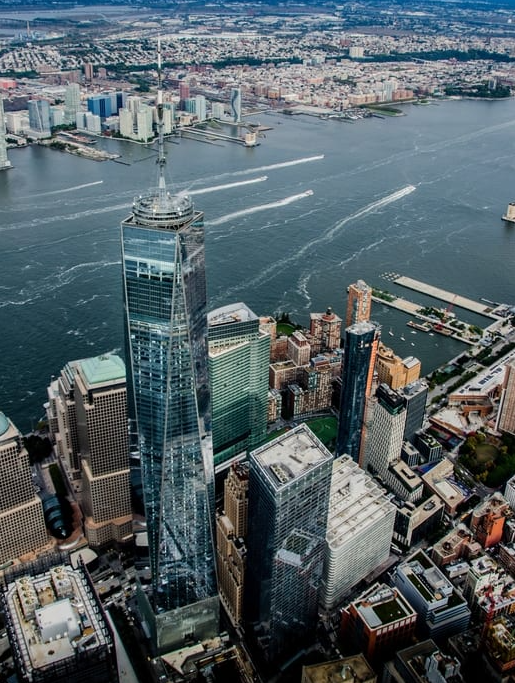
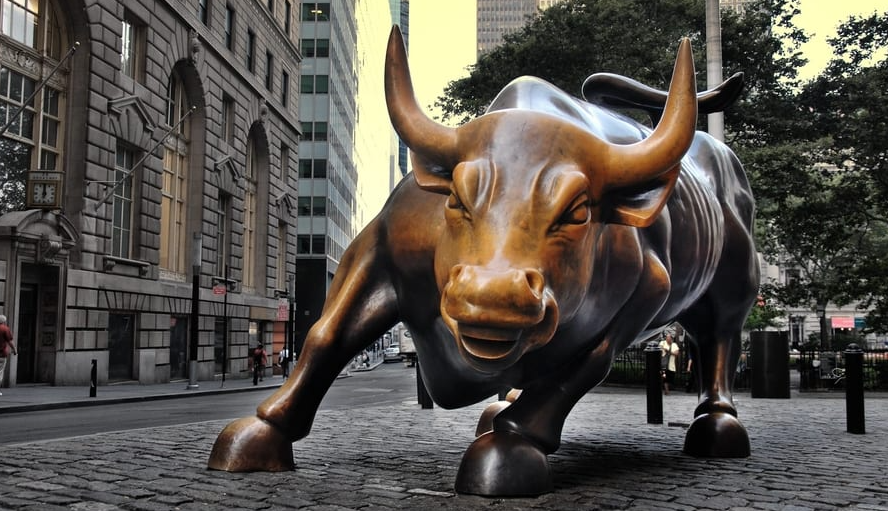
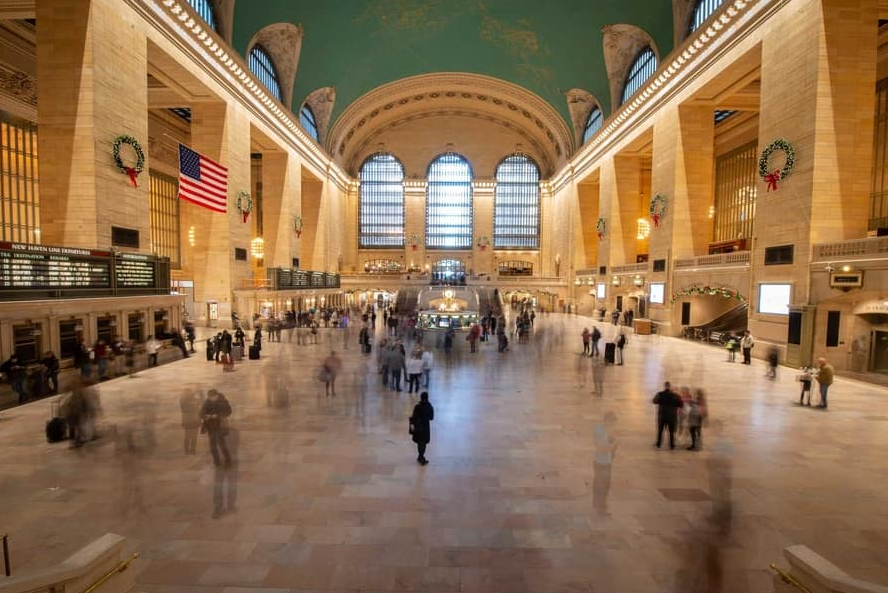
World-class museums and historic landmarks add cultural depth to any shooting itinerary. MoMA holds instantly recognizable modern art pieces for indoor supplementary shots, while the Metropolitan Museum’s sprawling grounds and rooftop overlook deliver rare elevated Central Park views. Grand Central Terminal’s celestial painted ceiling and vast marble concourse require tripods for low-light long exposures to capture motion blur from passing commuters. The 9/11 Memorial’s reflective black pools create somber, minimalist wide frames, and Wall Street’s Charging Bull bronze statue remains a staple foreground element for Financial District street photography.
Seasonal timing drastically alters your shooting palette, and off-peak spring/autumn trips beat crowded summer sessions in my opinion. Fall foliage inside Central Park softens harsh urban lines with warm red and gold foliage, while winter’s holiday lights at Rockefeller Plaza and Bryant Park ice rinks create glowing night photography opportunities with wide apertures. Summer’s long daylight hours extend golden hour shooting windows but bring sweltering midday haze that washes out skyline contrast; winter’s crisp clear skies produce sharper, more defined skyscraper silhouettes at sunrise and sunset.
Practical logistics simplify consistent outdoor shooting across all five boroughs. The New York Pass grants skip-the-line entry to nearly all observation decks, museums and guided walking tours, cutting down waiting time that eats into prime light windows. Self-guided walking tours of DUMBO, Williamsburg and Queens bypass rigid scheduled group timelines, letting you linger at photo-worthy spots like waterfront Brooklyn brownstones.
For far-flung locations such as Woodbury Outlet shopping districts or upstate day trips to Niagara Falls and Philadelphia, pre-booked bus tours eliminate transit stress between shooting locations. Local food markets like Chelsea Market offer quick colorful detail shots between landscape sessions, while rooftop bars provide elevated casual sunset vantage points without observatory ticket fees.
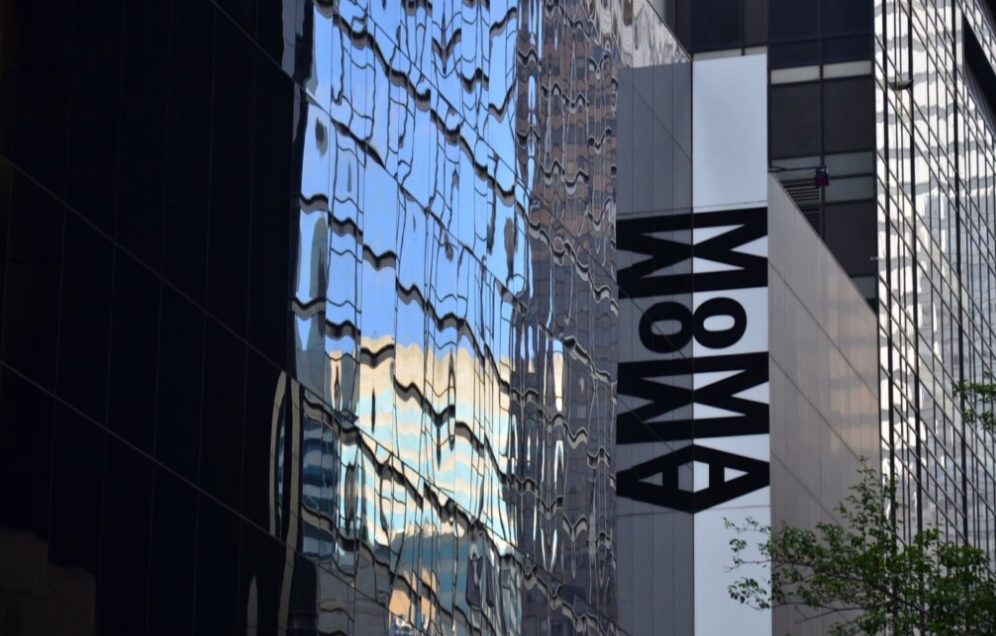
A small gear note tailored to NYC’s mixed shooting environments: pack a wide-angle lens for skyline and bridge panoramas, a standard zoom for neighborhood street scenes, and a lightweight tripod for low-light terminal, observatory and blue-hour waterfront work. CPL filters cut glass building reflections and boost sky saturation on bright days, a vital tool when shooting reflective skyscraper facades across Midtown Manhattan.