Fujifilm X-E5 in-depth review
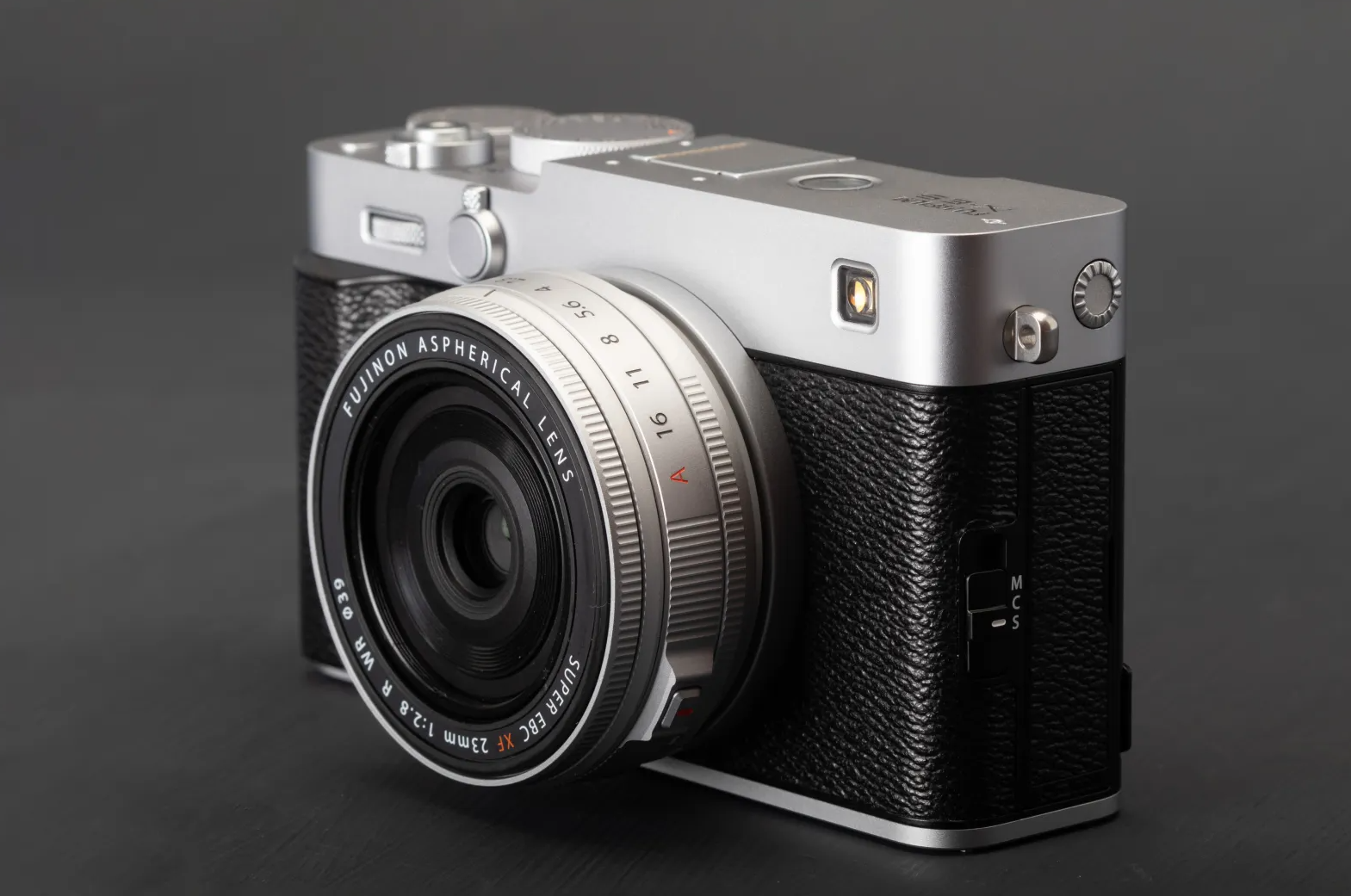
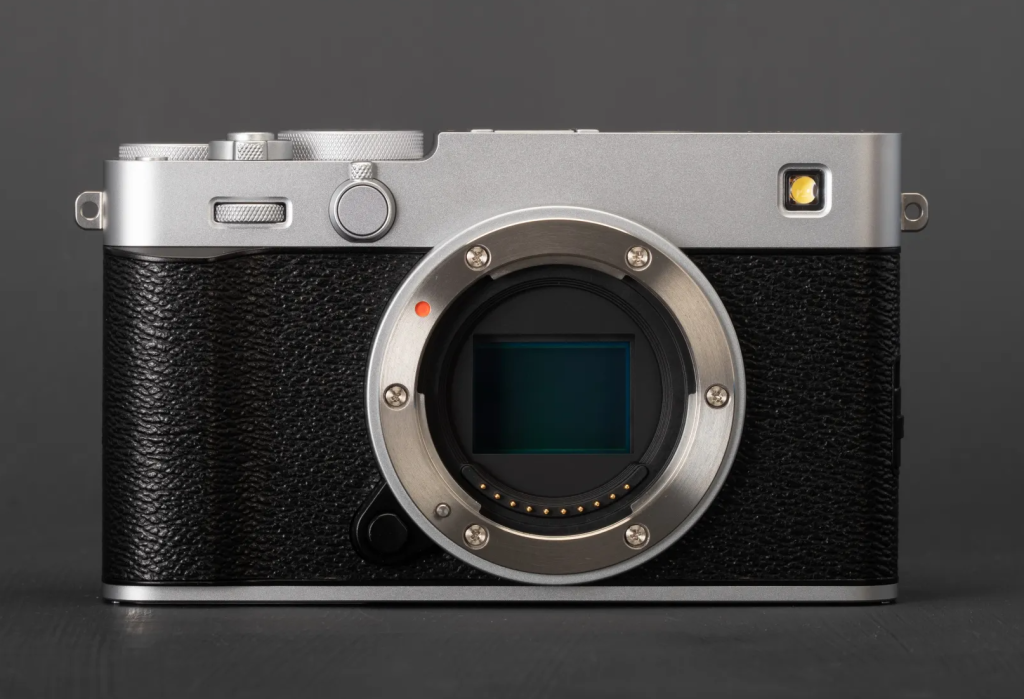
The Fujifilm X-E5 scores 85%, priced at $1699 body-only, a rangefinder-style APS-C mirrorless built for street and travel photographers, fixing major weaknesses of the X-E4 by adding in-body stabilization and richer physical controls. It uses the identical 40MP X-Trans CMOS 5 HR sensor and imaging processor as the X-T50, matching its core stills and video specs.
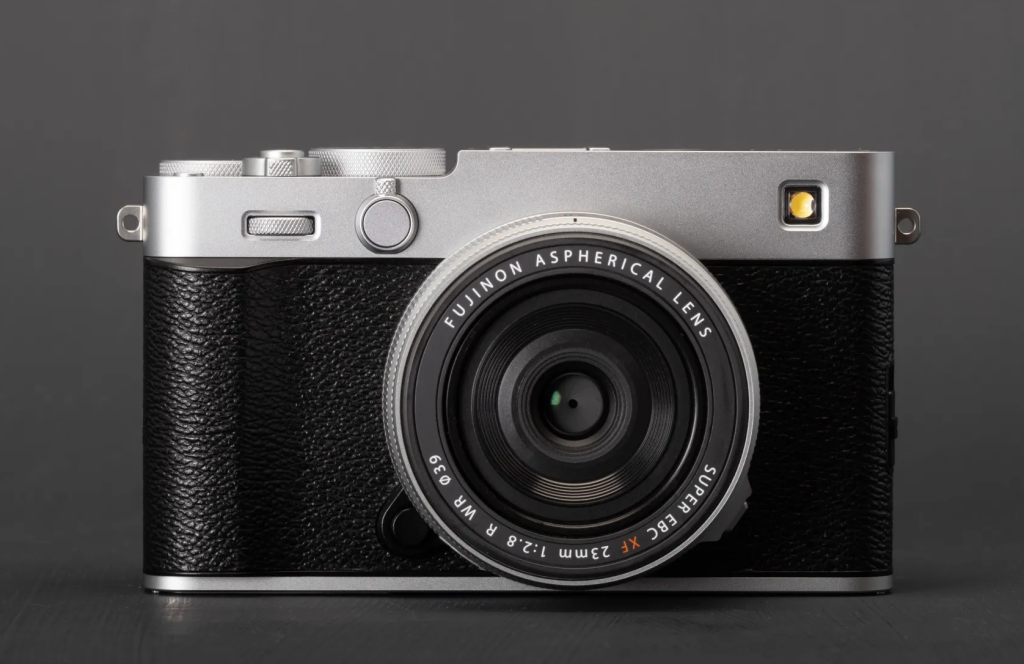
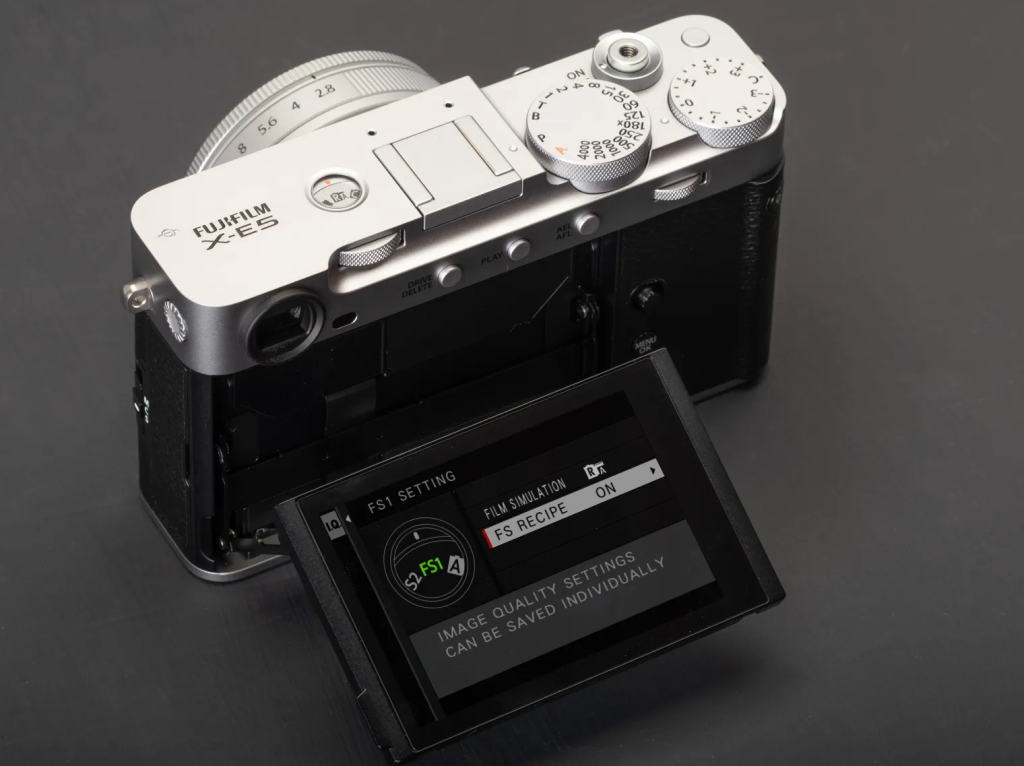
Its biggest design highlight is a dedicated top film simulation dial with three custom recipe slots. Users can store full sets of grain, tone, color chrome and white balance parameters for quick one-switch access, a highly popular tweak for Fujifilm JPEG creators. The camera also brings back twin clickable command dials and a multi-function front toggle switch with five remappable operations, alongside a retro classic EVF display mode that simplifies on-screen readouts for a film-camera aesthetic.
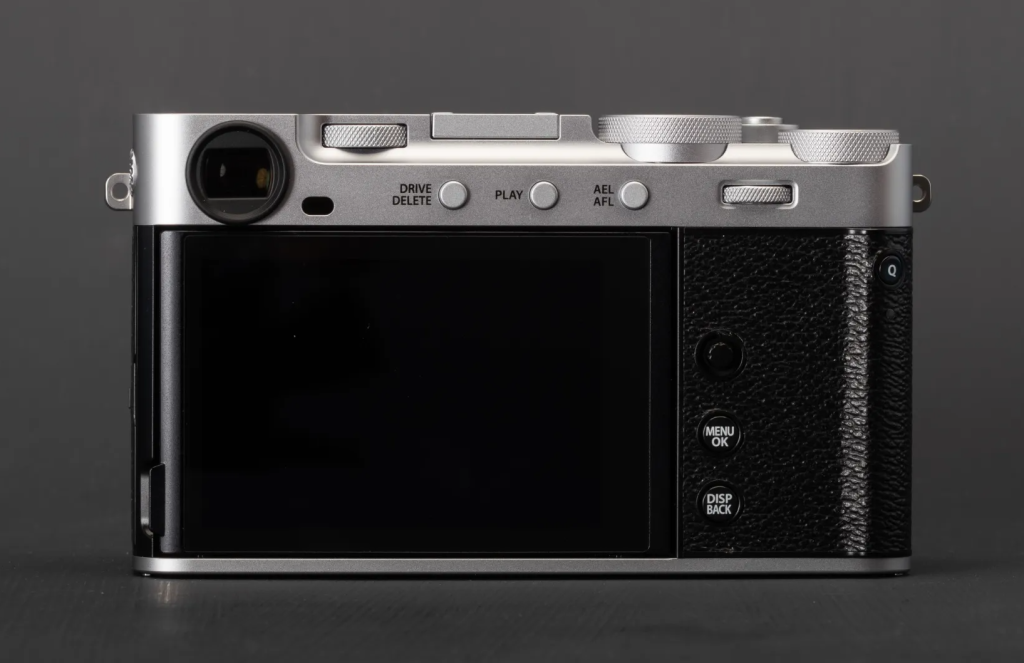
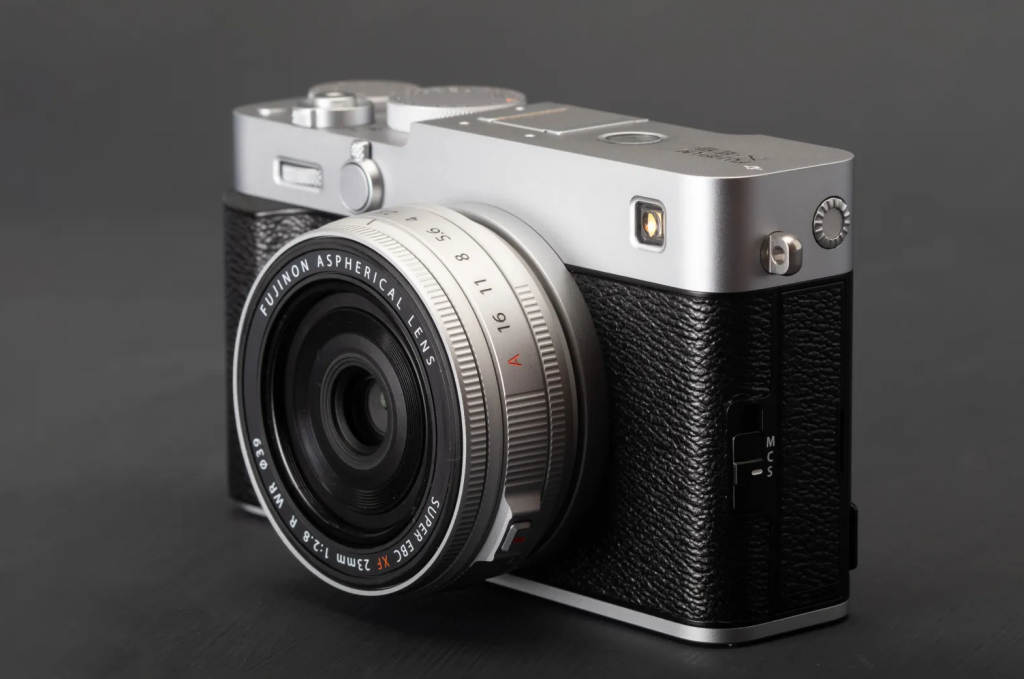
The 5-axis IBIS system delivers up to 7EV shake correction, a massive upgrade over the unstabilized X-E4. The body weighs 445g with battery, machined from solid aluminum for a premium feel, fitted with an upward-tilting 1.04M-dot touch screen and a compact 2.36M-dot electronic viewfinder that lacks a large eyecup, making it less ideal for glasses wearers. CIPA battery life sits at 310 shots, rechargeable via USB-C.
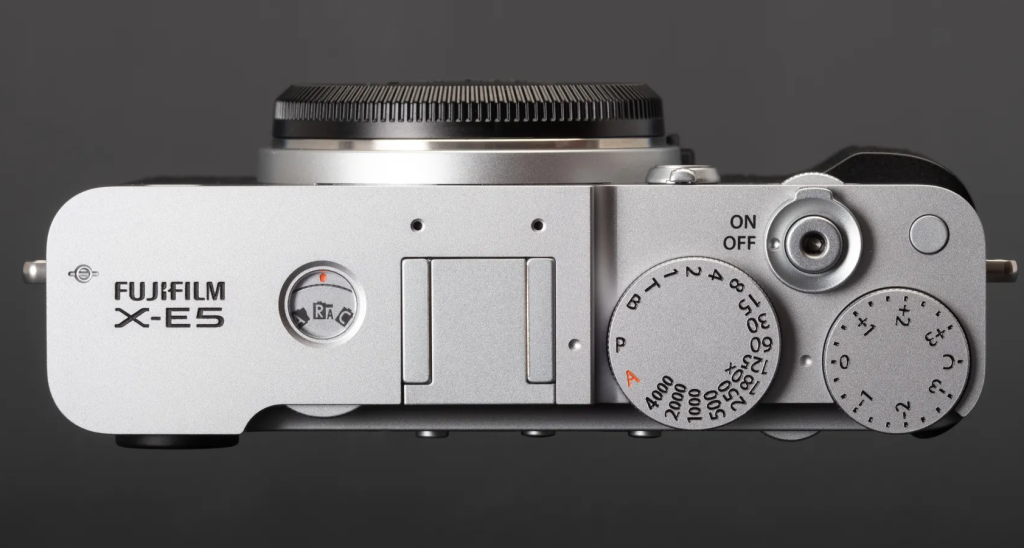
Image quality matches other 40MP Fujifilm bodies, producing ultra-detailed Raw files with clean base ISO 125 performance and wide shadow recovery range. JPEG color rendering stays warm and natural, though fine texture preservation lags behind competitors at high ISO. Dynamic range is class-leading for APS-C, with flexible exposure adjustment in post processing.
The autofocus system supports full AI subject recognition covering humans, animals, birds and vehicles, plus customizable tracking zones and touchpad AF control. Tracking reliability suffices for casual movement but falls behind Sony and Canon rivals during fast, erratic motion, and separating human detection from other subjects adds extra menu steps mid-shoot.
Video specs mirror the X-T50, offering cropped 6.2K 30p and oversampled 4K 60p recording. It includes a 3.5mm mic port but relies on USB-C adapters for headphone monitoring, with noticeable rolling shutter distortion in high-frame footage. Long recording sessions risk overheating without a compatible cooling fan, and film simulation recipes do not fully carry over into video mode.
When stacked against competitors, it fills a unique niche between budget APS-C and entry full-frame cameras. The X-T50 shares internal hardware but uses SLR styling, dual card slots and weather sealing absent on the X-E5. Sony a6700 boasts superior AF and video hardware, while Nikon Z5 II offers full-frame sensor quality at a matching price with bulkier dimensions. The X100VI delivers a fixed prime and hybrid OVF/EVF but loses interchangeable lens flexibility.
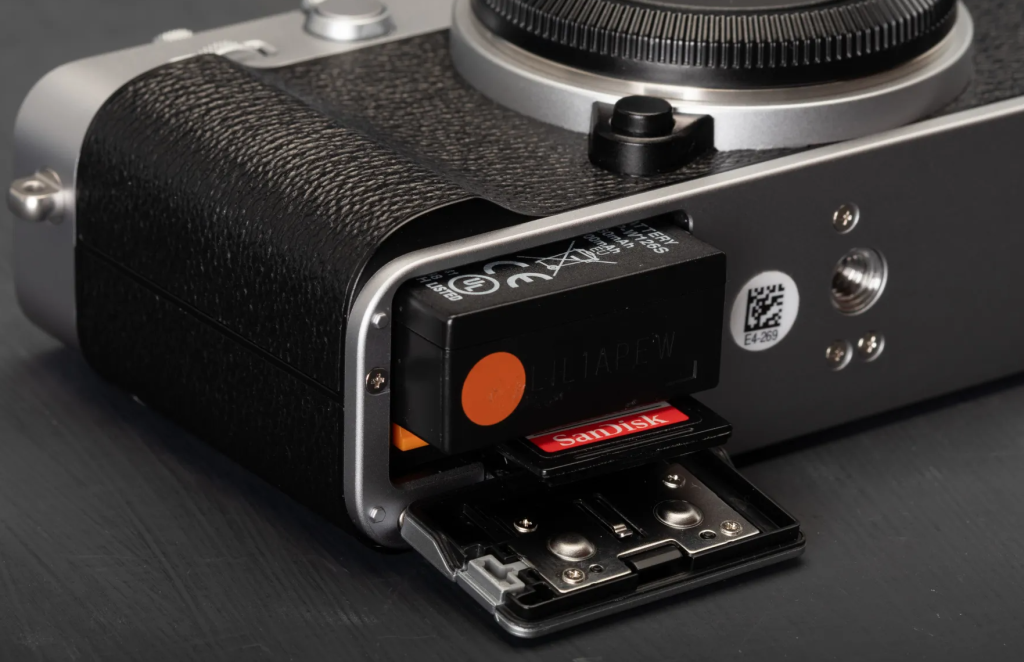
Its core strengths lie in iconic compact rangefinder styling, full IBIS, customizable film simulation recipes and intuitive physical controls for stills shooters. Key downsides include a small low-magnification EVF, single SD card slot, weaker action tracking, limited video monitoring tools and high US pricing tied to import tariffs. It is best suited for casual travel and street photographers drawn to its retro form factor, while sports shooters and professional videographers will find better alternatives elsewhere.