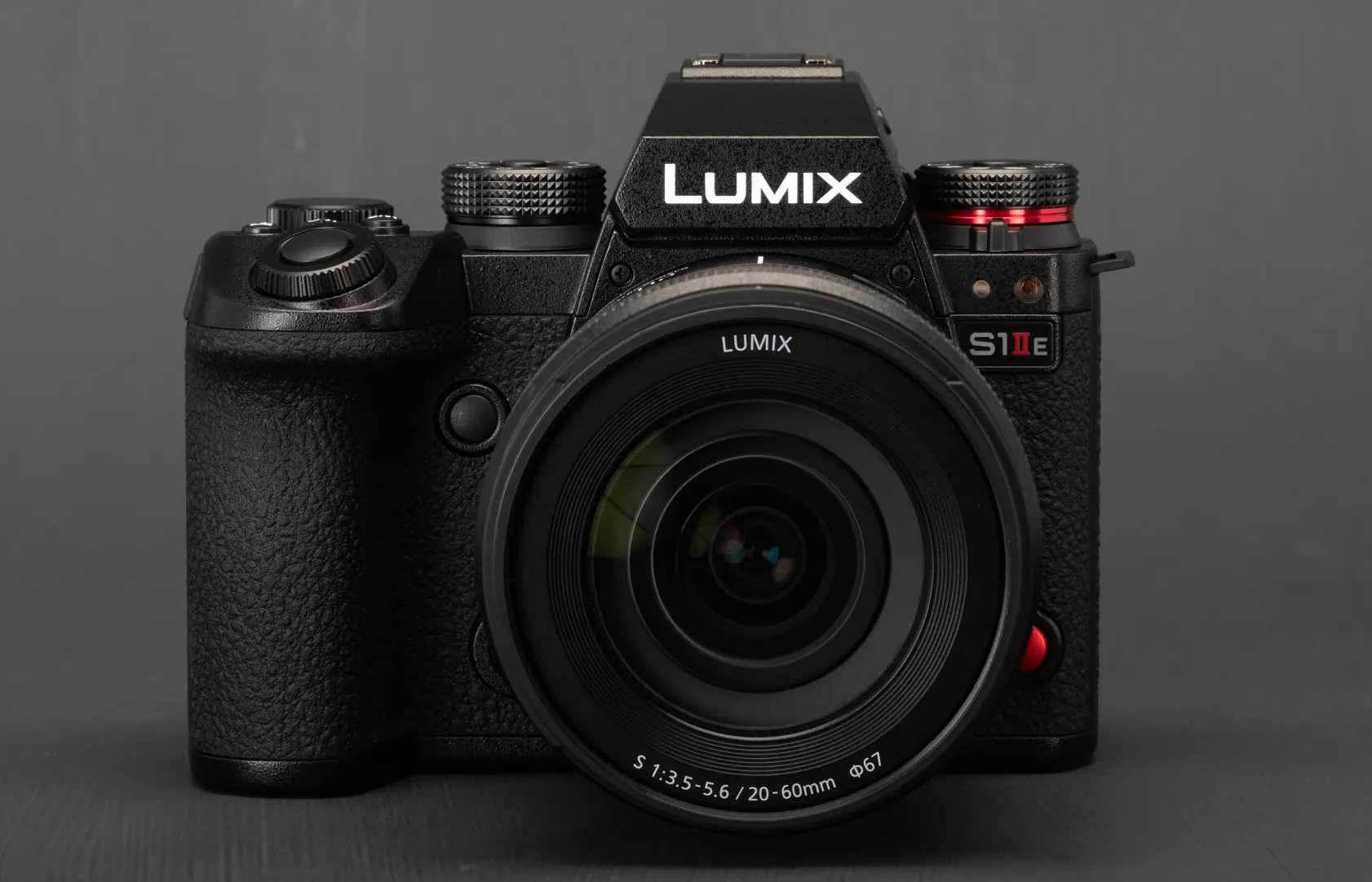
Panasonic S1IIE review-in-progress: are the essentials still enough?
The Lumix S1IIE is a $2499 mid-tier hybrid full-frame mirrorless, combining the S5II-series 24MP BSI sensor with the larger, premium body of S1II/S1RII, balancing stills and video for enthusiast creators without the stacked sensor of the flagship S1II.
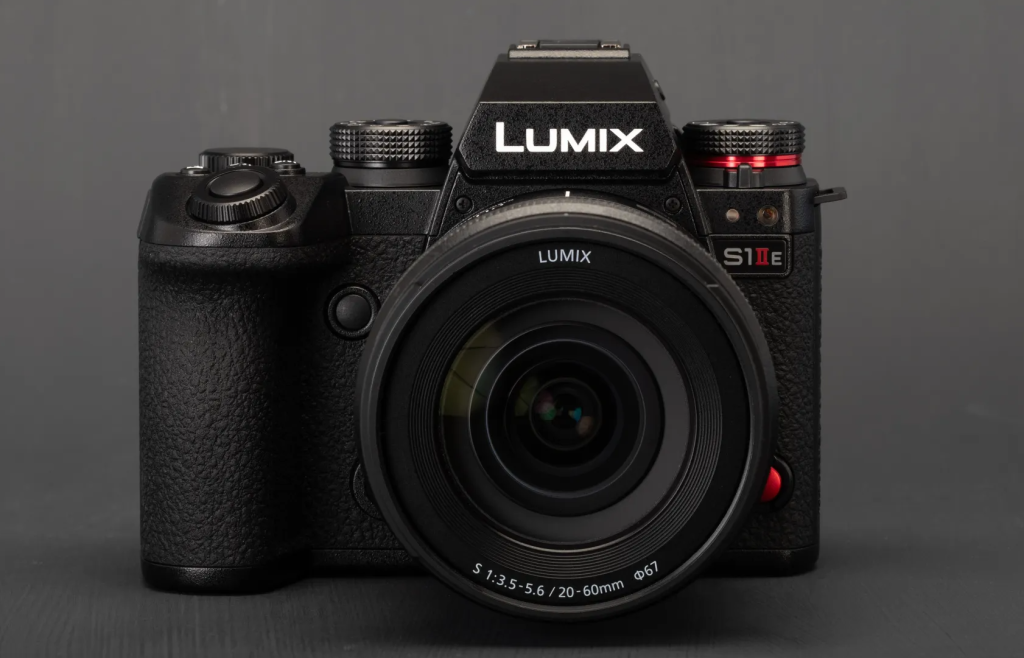
Its core stills upgrades include 30fps electronic continuous Raw shooting with AF tracking and a 1.5-second pre-burst function, alongside a 96MP multi-shot high-res mode. A new 10-bit HLG HEIF format lets users capture HDR JPEG-like files straight from the camera, though in-camera Raw reprocessing has restrictive rules for HDR output. The updated AI white balance tool fixes messy mixed-light color casts, and the refined phase-detect AF adds dedicated recognition for urban sports like skateboarding, with smarter subject switching that avoids random object drift when human targets leave the frame.
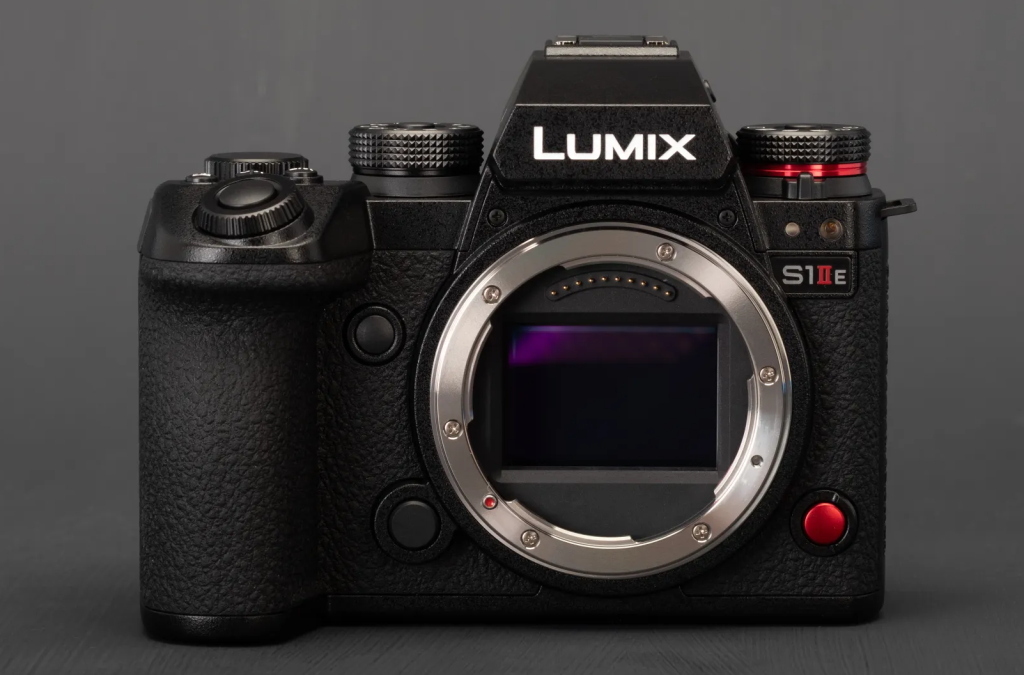
For video creators, the camera packs expanded recording modes absent on S5IIX, including 2.4:1 Cinemascope aspect ratios and 6K 60p capture with mild APS-C crop. It supports internal ProRes Raw to CFexpress Type B cards, 32-bit float audio via the XLR2 adapter, waveforms, false color and anamorphic desqueeze previews, paired with an upgraded 8EV synchronized IBIS and cropless electronic stabilization exclusive to native S lenses. A future paid firmware will unlock Arri LogC3 color grading, plus Bluetooth gimbal sync and extra frame guides.
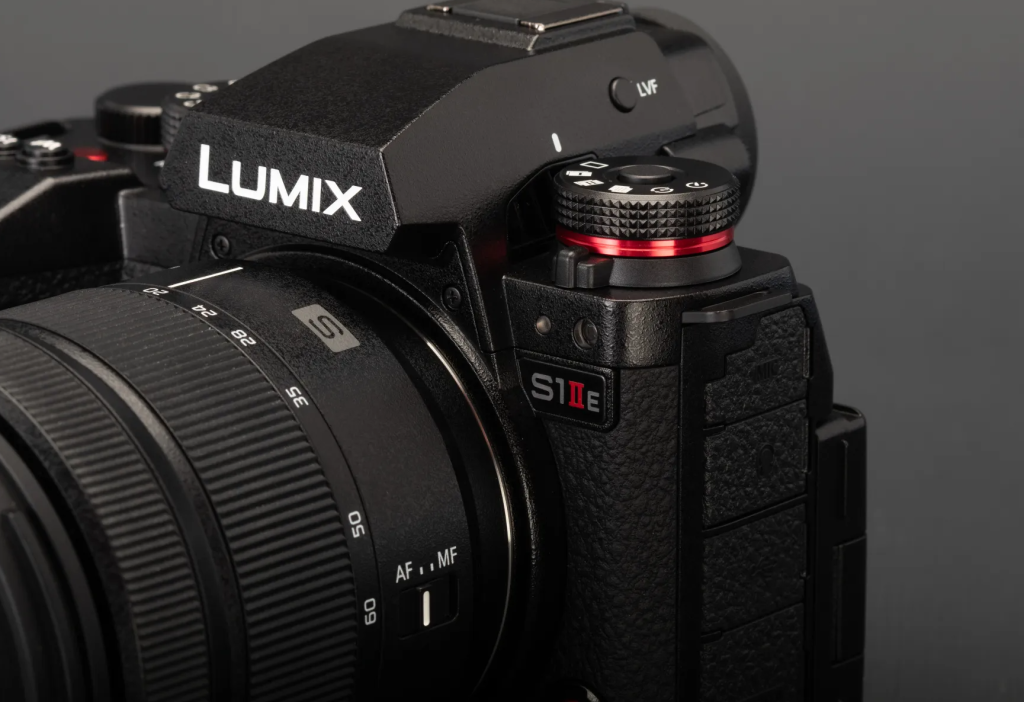
Ergonomically, it adopts the S1-series larger grip, lockable custom controls, dedicated still/video/S&Q mode dial and front video record button. It carries a high-res 5.76M-dot EVF and dual-hinge tilting rear screen, with separated port covers for cleaner cable routing. The standard DMW-BLK22 battery delivers 380 CIPA LCD shots, compatible with an optional grip to double runtime, and dual storage slots accept UHS-II SD plus CFexpress Type B media.
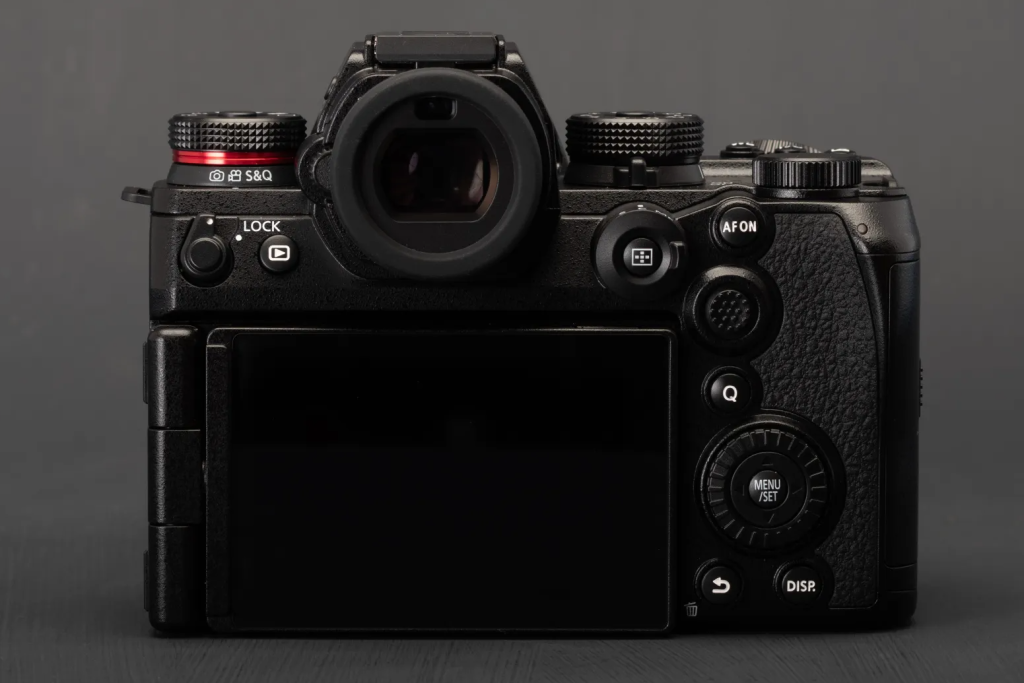
When stacked against rivals, it matches the $2499 price tag of Nikon Z6III and Canon R6 II, while sitting $300 above the cheaper S5IIX. It beats the S5IIX on viewfinder quality, physical controls and video format variety but loses the stacked sensor’s fast readout and ultra-high burst speeds of the top-tier S1II. Canon and competitors offer more reliable all-round action AF, while Nikon provides superior rolling shutter performance for fast-moving footage.
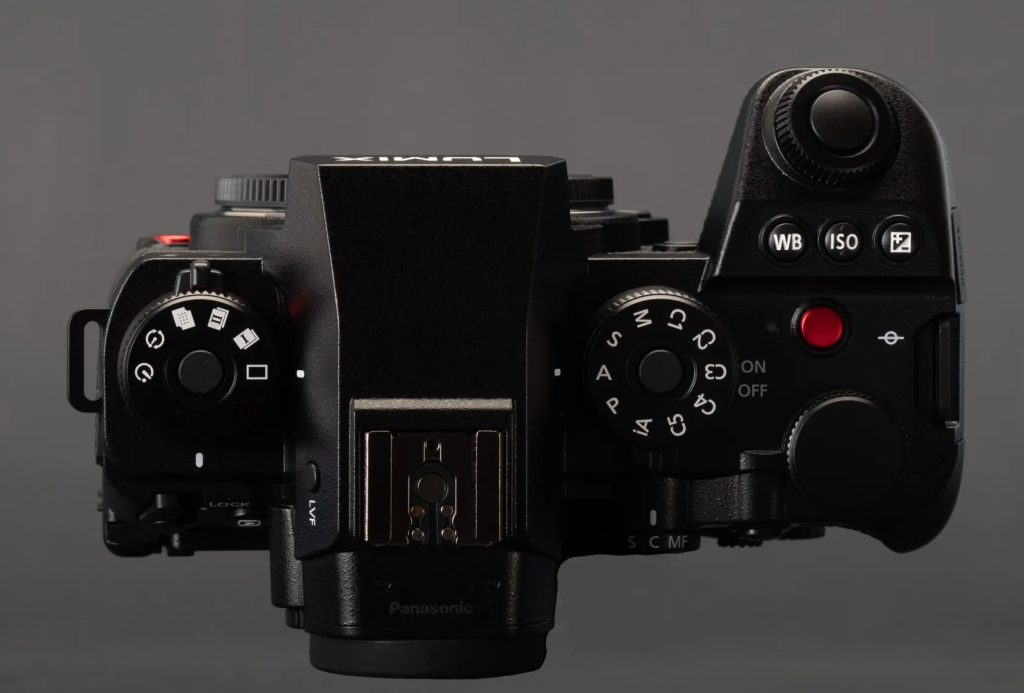
Its biggest practical downside is Panasonic’s crowded 24MP full-frame lineup that blurs differentiation between S5II, S5IIX, S1II, S1IIE and S9, confusing buyers on which model fits their workflow. While it delivers robust image quality, rich video tools and comfortable handling, many core video features are now standard on competing brands, reducing its unique selling points. It suits hybrid shooters prioritizing ergonomics, internal Raw recording and professional color tools, but sports-focused creators will benefit from rival cameras with faster sensor readouts.