15 Steps to an Amazing Landscape Photo
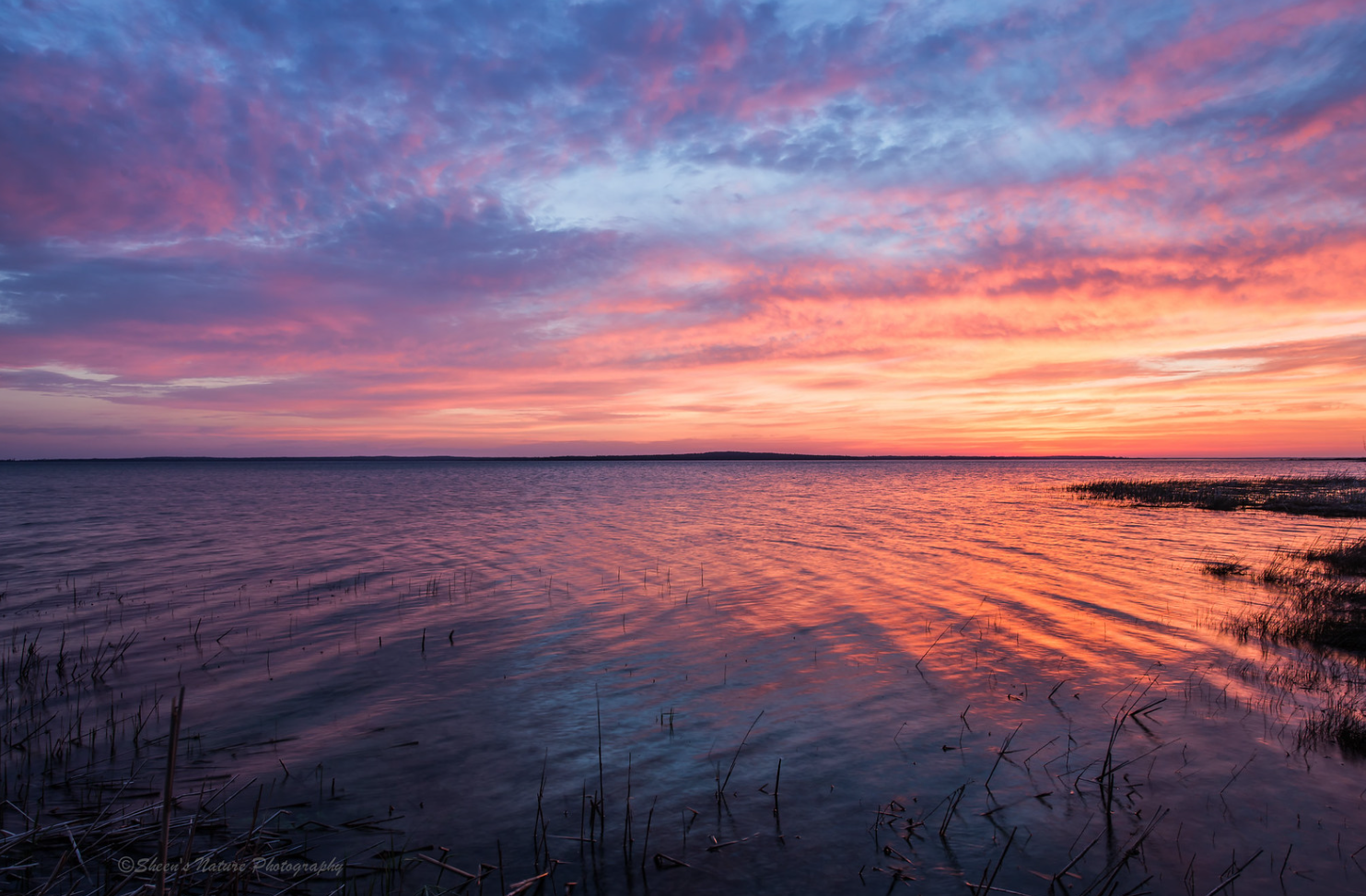
Many casual outdoor photographers miss the most stunning dawn color palette by arriving too late to their shooting spots. I firmly believe the true magic of sunrise photography lives in the blue hour, the underrated twilight window long before the sun touches the horizon.
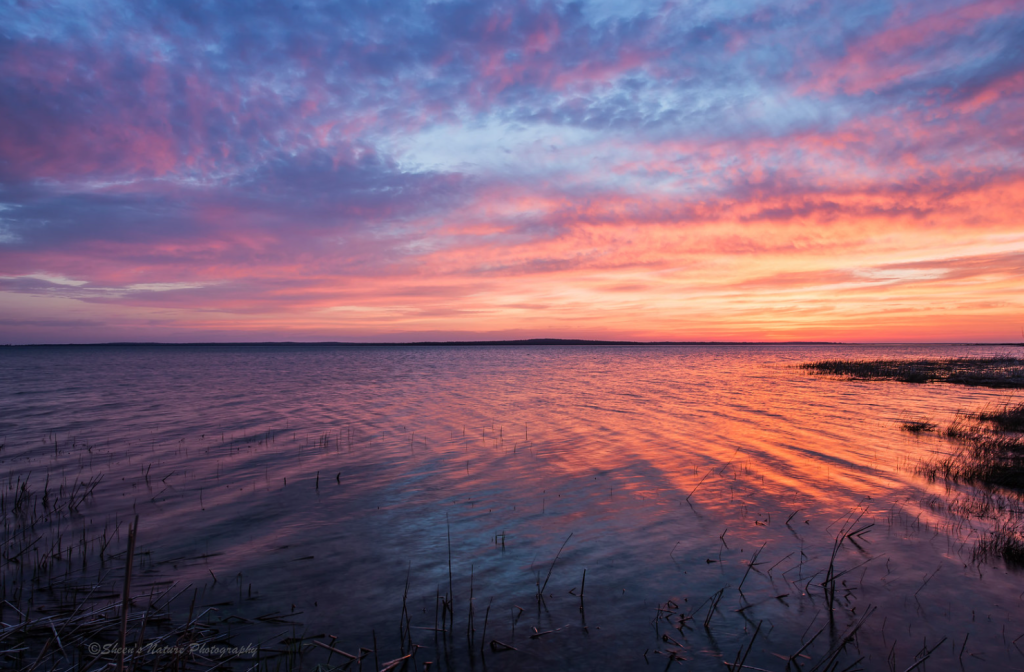
rather than the popular golden hour that follows. Deep saturated blue sky blends with streaks of lavender and soft pink, a color gradient no mid-morning light can replicate, yet this phase brings extremely dim surroundings that demand strict gear preparation.
Tripods and remote shutter releases are non-negotiable here. Low brightness requires slower shutter speeds, while landscape-focused shots rely on f/11 to f/22 for broad depth of field, both of which make camera shake a constant risk. I often switch between Manual Mode and Aperture Priority Mode on location: Manual Mode gives full control over shutter speed, ISO and aperture when the scene stays dark, and Aperture Priority works better if faint artificial lights (pier lamps, dock lighting) add extra brightness. Tweaking exposure compensation by ±1/3 stop is a small tweak that noticeably amplifies color saturation without heavy post-processing. Always shoot RAW; minor standard adjustments inside Lightroom deliver far richer results than JPEG files straight out of camera.
Compositional balance deserves extra attention during blue hour shooting. I alternate between viewfinder and live view to refine frames: the viewfinder narrows focus on your intended subject mood, while live view activates the virtual horizon via the INFO button to straighten uneven horizon lines, a common flaw in wide sunrise landscapes. Test multiple exposure sequences starting at base ISO 100; adjust shutter speed or f/stop numbers to dial in ideal brightness without washing out delicate sky tones.
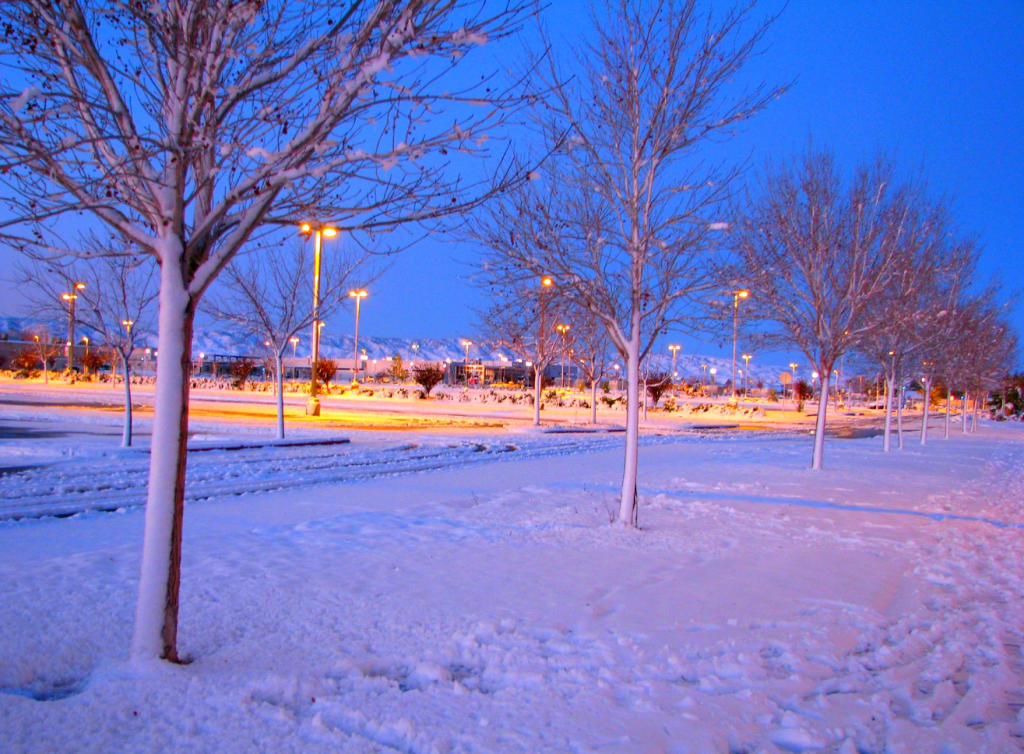
When the sun finally rises over the horizon, golden hour unfolds with soft warm red and orange light and gentle, low-contrast shadows perfect for wide landscape frames. This stage offers more flexibility than blue hour: you can shoot stable tripod compositions for meticulous framing or grab quick handheld shots thanks to faster available shutter speeds. My favorite golden hour creative technique is starburst effects, produced by large f/stop numbers such as f/16 when sunlight peeks through foliage, pier posts or cloud edges. These sharp radiant highlights instantly add striking visual texture to otherwise plain sunrise frames.
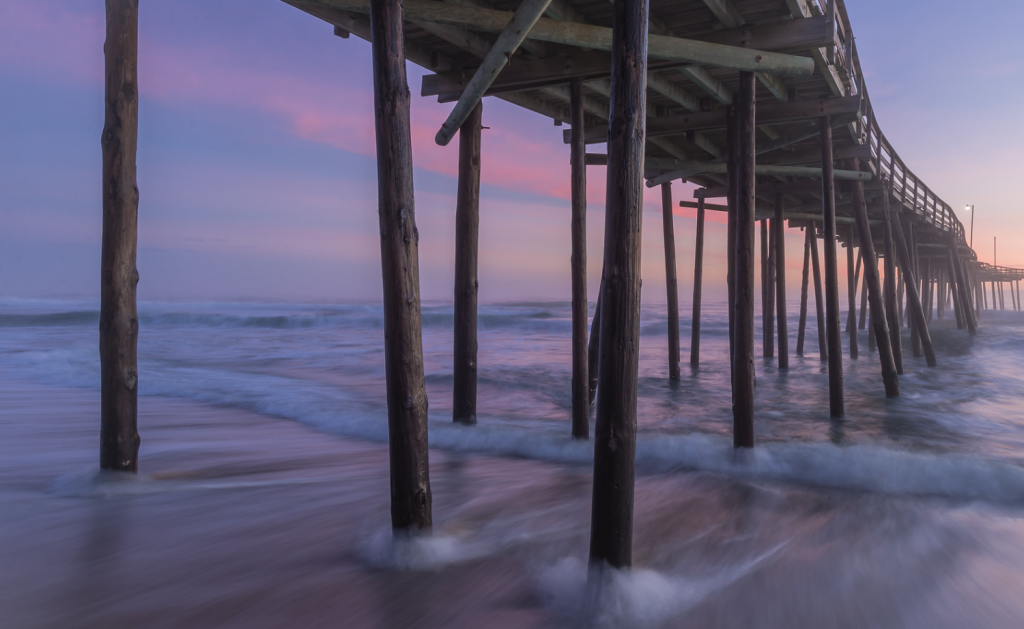
To avoid flat, one-dimensional sunrise photos, try intentional framing. Natural elements like tree branches or industrial structures such as weathered piers wrap around the sun and build layered depth within your image. Scouting your shooting location the evening before your dawn session is a habit every outdoor photographer should adopt — it eliminates rushed parking searches and last-minute spot hunting, letting you dedicate every minute of short morning light to capturing shots.
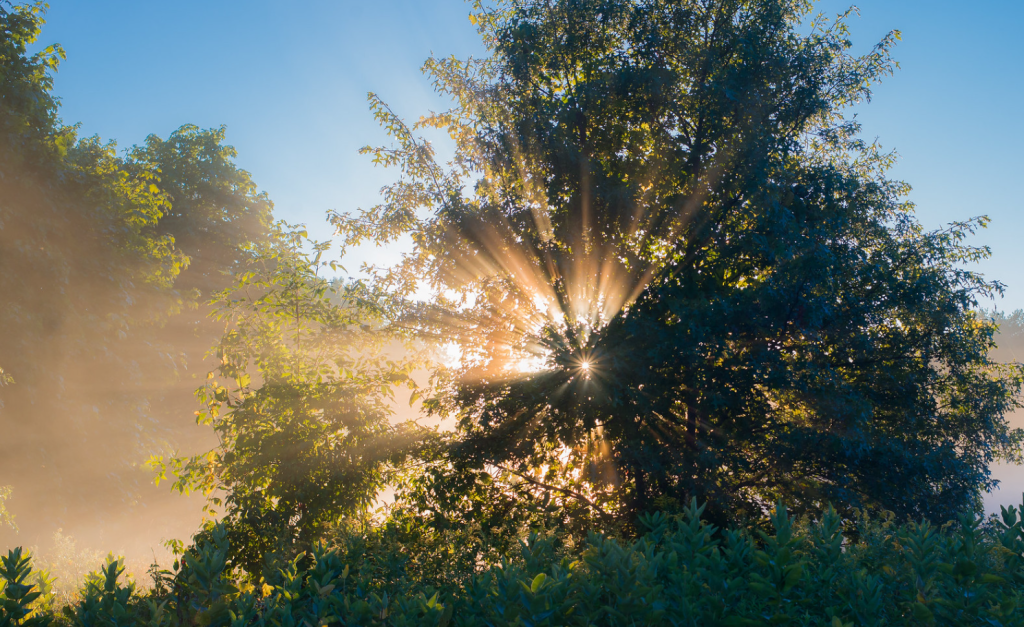
For me, constantly modifying camera settings as twilight shifts is never tedious labor; it is the core fun of outdoor sunrise photography, blending technical control with spontaneous creative discovery. The narrow time windows of blue hour and golden hour reward preparation, experimentation and a willingness to wake far earlier than most people to chase fleeting morning light.