How to Photograph the Beach or Coast
Coastal scenes hold unmatched visual potential for outdoor photographers, yet translating the immersive scale of cliffs, rolling waves and shifting shore light into striking flat images is surprisingly tricky. From my years shooting seascapes, I believe most beginners waste incredible light by overlooking simple pre-shoot planning, which matters far more than expensive lens upgrades for memorable beach shots.
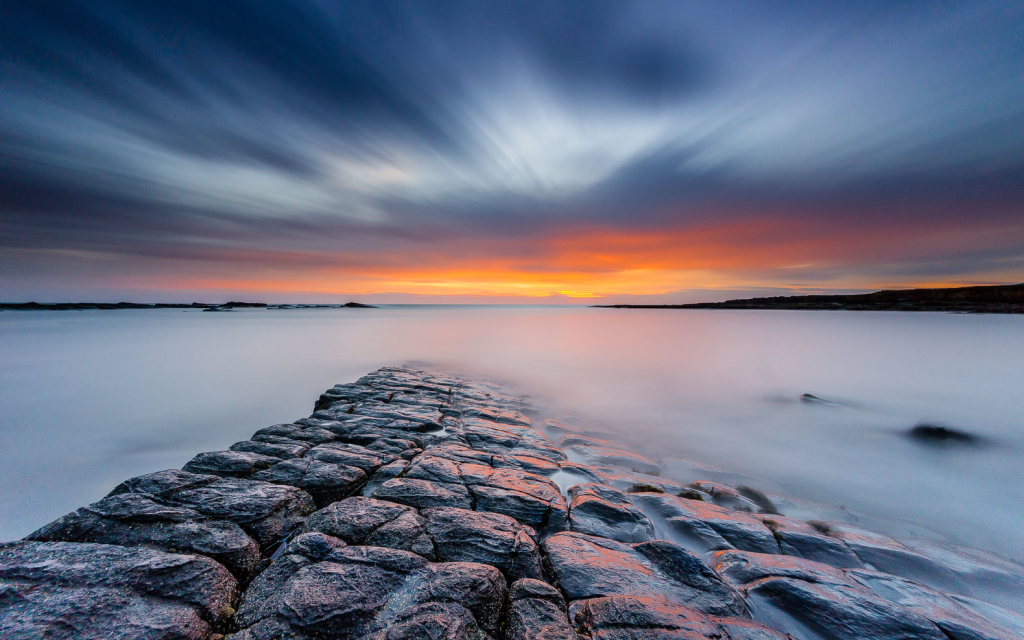
Tide and light research sits at the core of successful coastal photography. Checking tide tables the night before your session unlocks hidden foreground textures—low tide reveals intricate rock pools and wet reflective sand, while high tide delivers dramatic crashing surf against stone formations. I also never skip checking weather forecasts; overcast skies and the brief window before or after storms produce richer, more emotional frames than harsh midday sunshine, a detail many casual beach shooters ignore entirely.
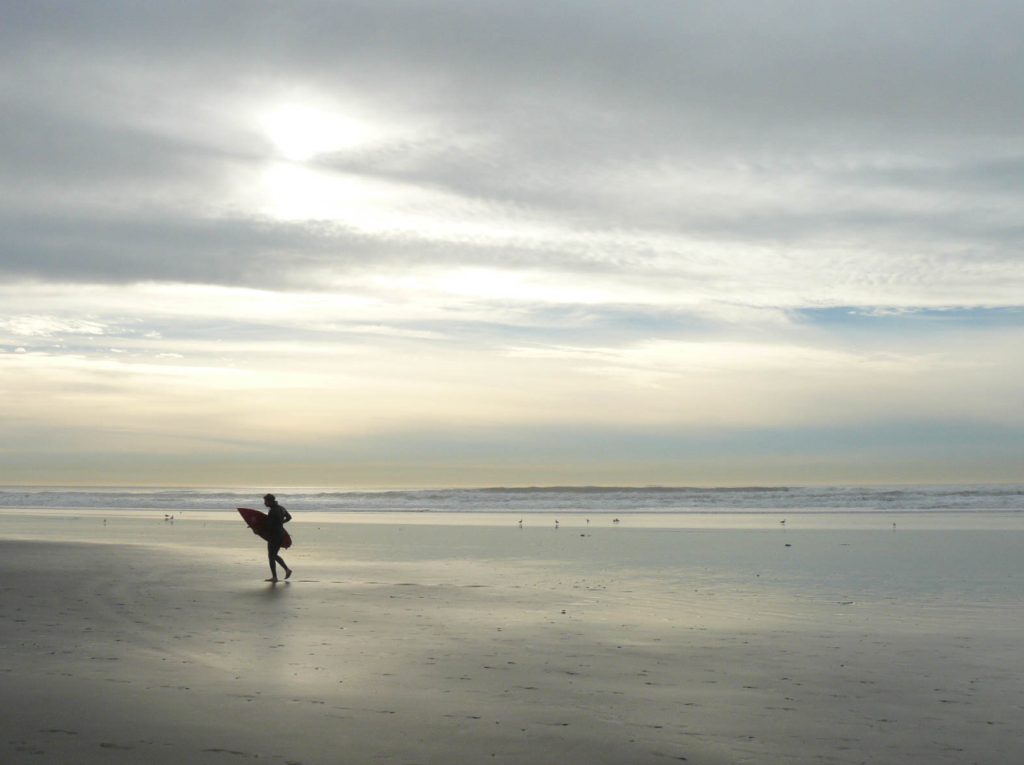
Protecting your camera equipment on the coast is non-negotiable, as salt spray and fine sand cause permanent lens and sensor damage. Stick to minimal gear on location, avoid switching lenses on open sand, and rely on core accessories to elevate image quality without unnecessary bulk. A 16–35mm wide-angle lens handles sweeping seascapes, while telephoto gear isolates cliff textures or shore wildlife. Pair your lens with a lens hood to block flare, a Neutral Density (ND) filter to pull off long exposures in bright sunlight, and a Polarizing filter to deepen water color and reduce surface glare—just remember to detach the Polarizing filter when you want to capture soft rock pool reflections. A sturdy tripod is mandatory for slow shutter speeds, and a remote shutter release eliminates shake during long exposure captures.
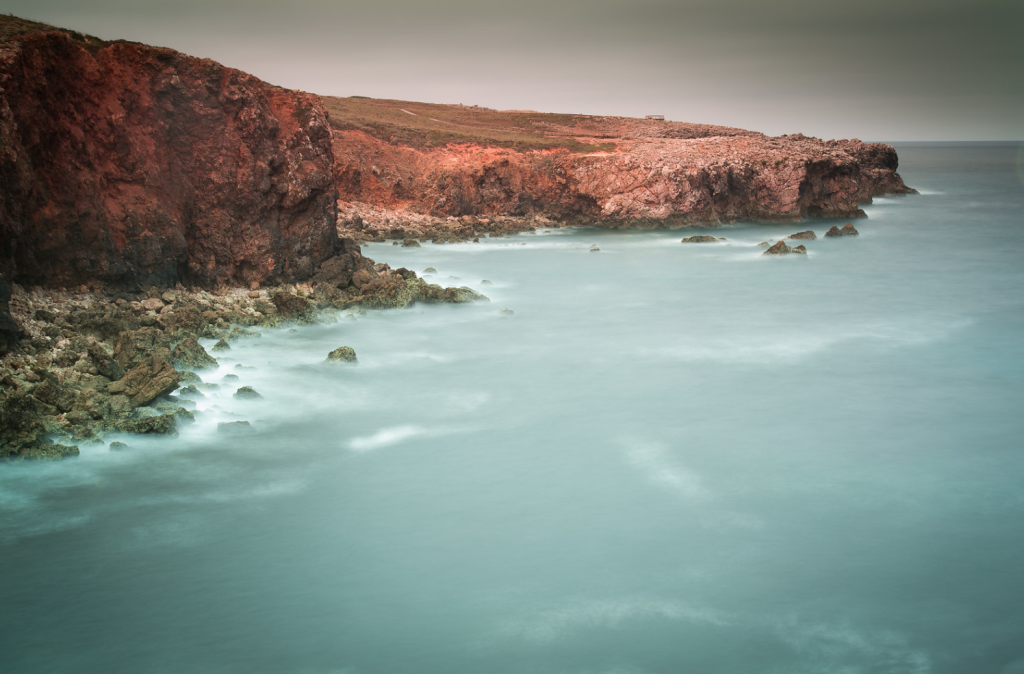
Camera exposure logic for coastal shots follows straightforward landscape rules, with flexible adjustments for creative style. I always lock ISO to its lowest native value to cut down image grain, choosing small apertures such as f/11 to maintain full depth of field across foreground rocks and distant horizon. Shutter speed is fully customizable: faster speeds freeze sharp wave splashes, while exposures ranging from 1/8 second up to 30 seconds smooth moving water and stretch cloud trails across the sky. These extended slow exposures cannot be executed reliably without a tripod steadying the camera body.
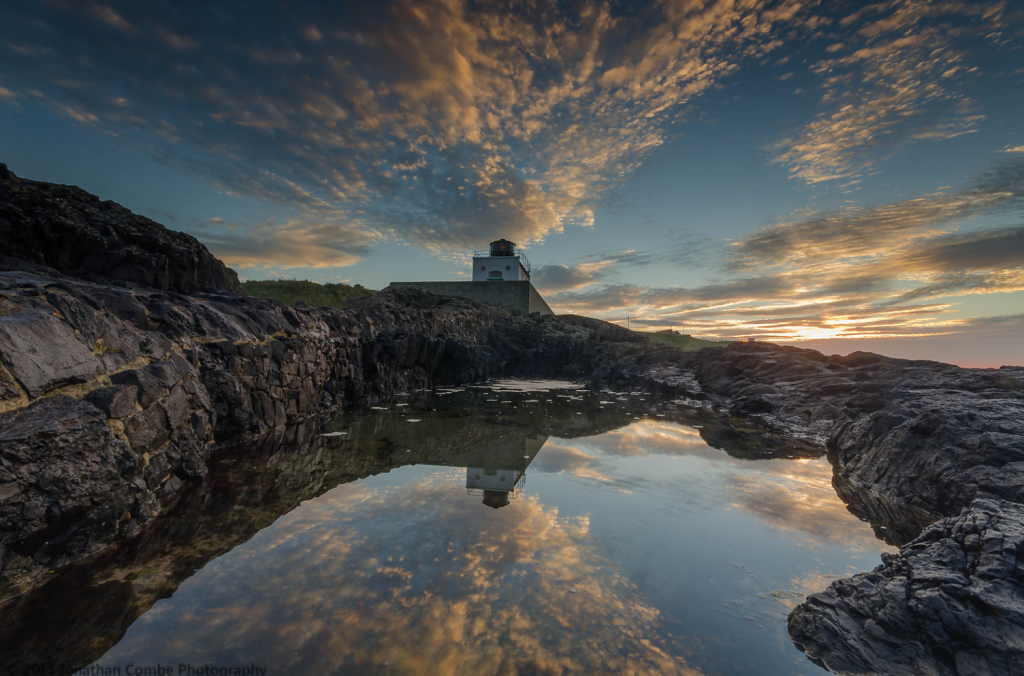
Composition is what separates generic beach snapshots from standout outdoor photography. Empty frames of just sea and sky feel flat to viewers, so I always hunt for a clear focal point paired with textured foreground elements like driftwood, jagged boulders or patterned wet sand to add dimensionality. Golden hour, sunrise and sunset deliver soft warm glow ideal for coastal frames, but don’t limit yourself only to wide landscape shots. Small intimate details—shells, coastal plants, tiny creatures in tide pools—make excellent complementary photos to round out your beach shooting portfolio. The coastline evolves constantly with every passing minute, so stay ready to adapt your framing and settings to match shifting light and tide movements.