Full Summary of DPReview Panasonic Lumix DC-L10 In-Depth Review
1. Basic Positioning & Pricing
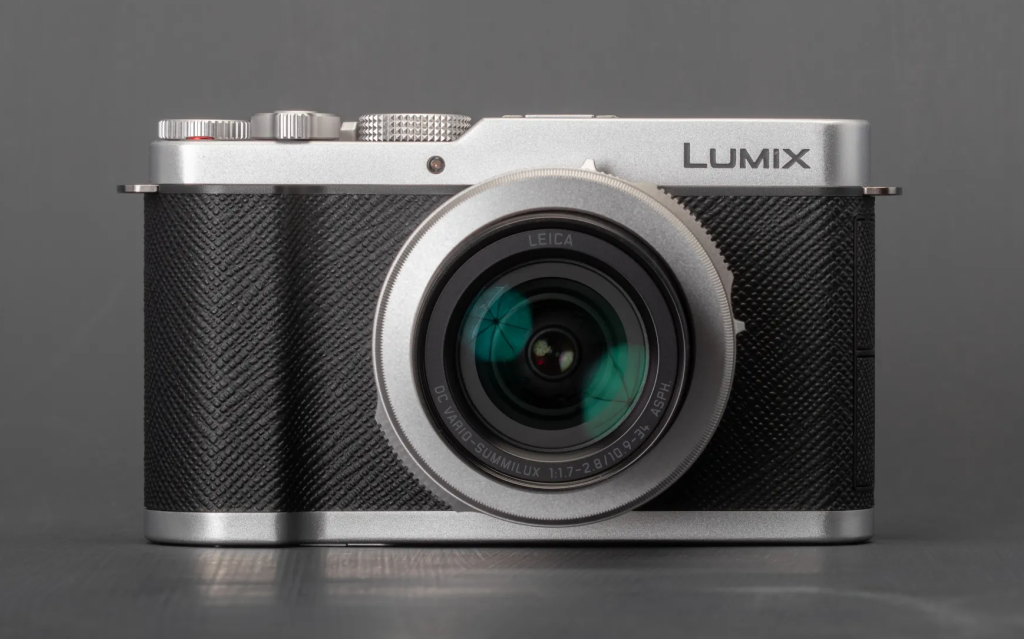
Released June 24, 2026, the Lumix L10 is a brand-new Four Thirds enthusiast fixed-zoom compact, not a direct LX100 II successor, targeting travel and everyday hybrid shooters.
- Standard black/silver MSRP: $1499
- Limited Titanium Gold special edition: $1599, bundled with matching auto lens cap, threaded shutter button and leather strap
Overall review score: 85%, graded against competing premium compacts.
2. Core Hardware Upgrades vs LX100 II
Sensor & Imaging
Equipped with the identical 26.5MP BSI CMOS Four Thirds sensor found in GH7 / G9 II; multi-aspect design retains consistent diagonal field of view across 4:3/3:2/16:9, maxing out at ~183mm² sensor area (20.3MP effective 4:3 output).
- Better dynamic range, cleaner high-ISO performance (1EV less noise at base ISO 100 vs LX100 II’s ISO 200)
- Latest-generation image processor matching Panasonic S1R II, supporting Lumix Lab app, Real-Time LUT, Live View Composite, in-camera focus stacking.
Autofocus
Major upgrade to phase-detect hybrid AF with six AI subject recognition modes (human, animal, car, motorcycle, train, aircraft) plus part priority tracking; supports pre-capture burst and 30fps electronic shutter AF-C, a huge leap over LX100 II’s basic face-only contrast AF.
Color Profiles
Two new film-inspired built-in modes: muted green-heavy L.Classic and warm amber L.ClassicGold, complementing existing Cinelike D2 / V-Log for stills and video; Real-Time LUT enables unlimited custom color grading previews in-camera.
3. Body, Ergonomics & Hardware Layout
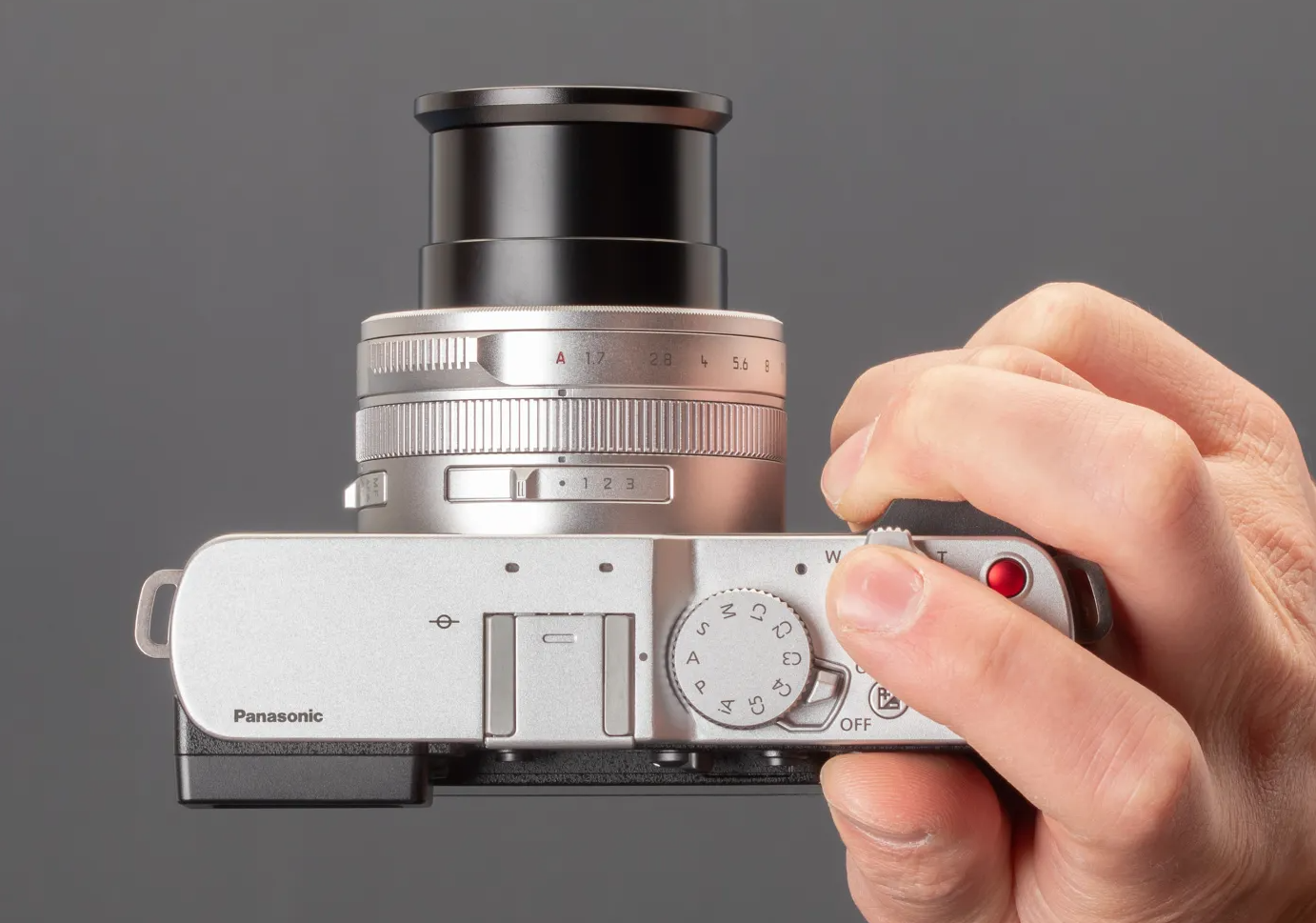
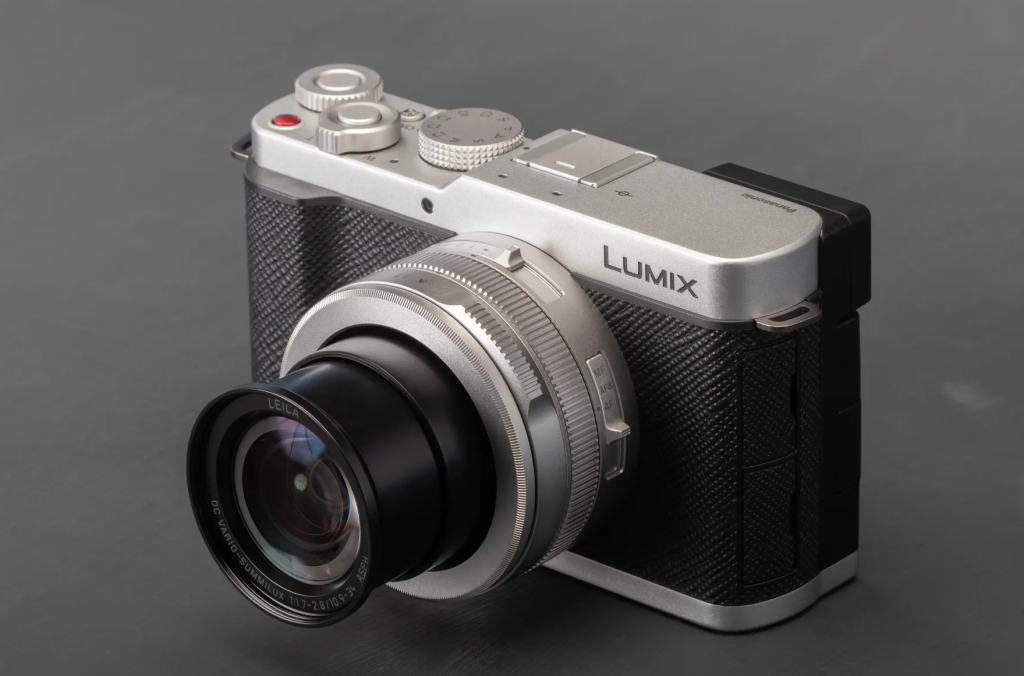
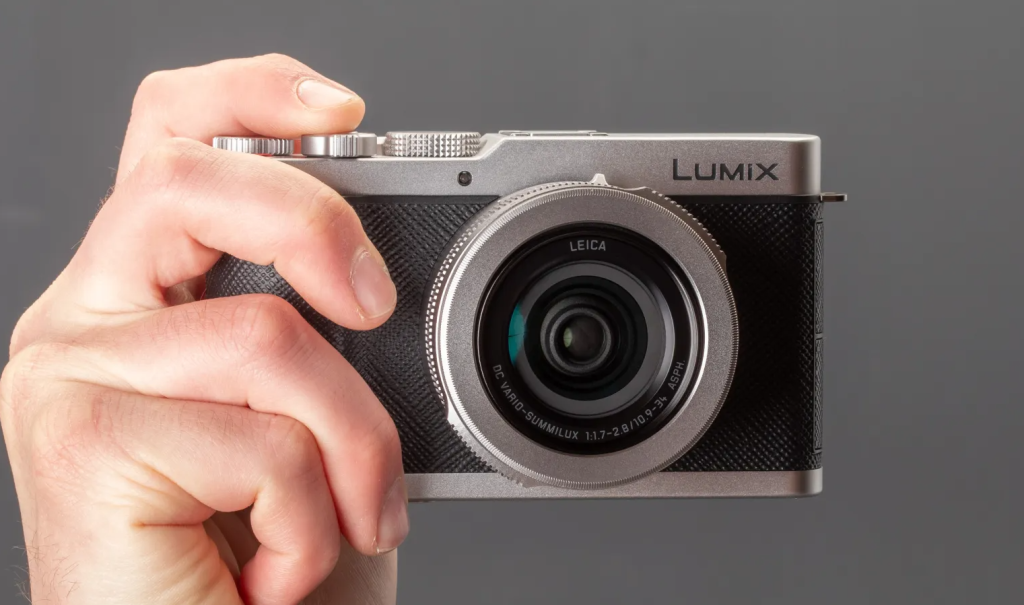
- Build: Full metal body, 508g weight, larger/heavier than LX100 II, not pocket-friendly; comparable size to Fujifilm X100 series.
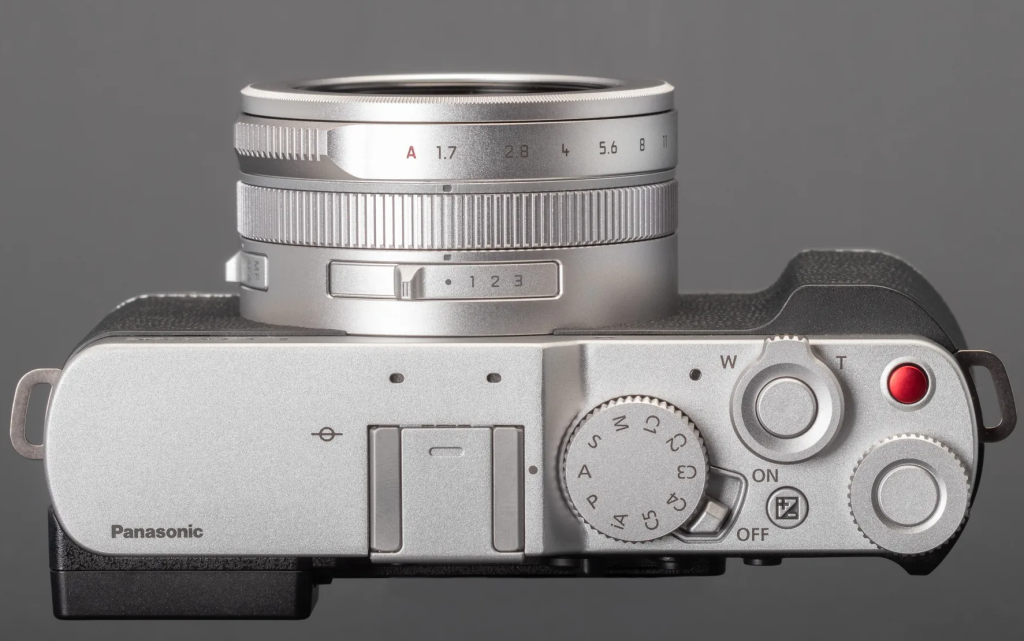
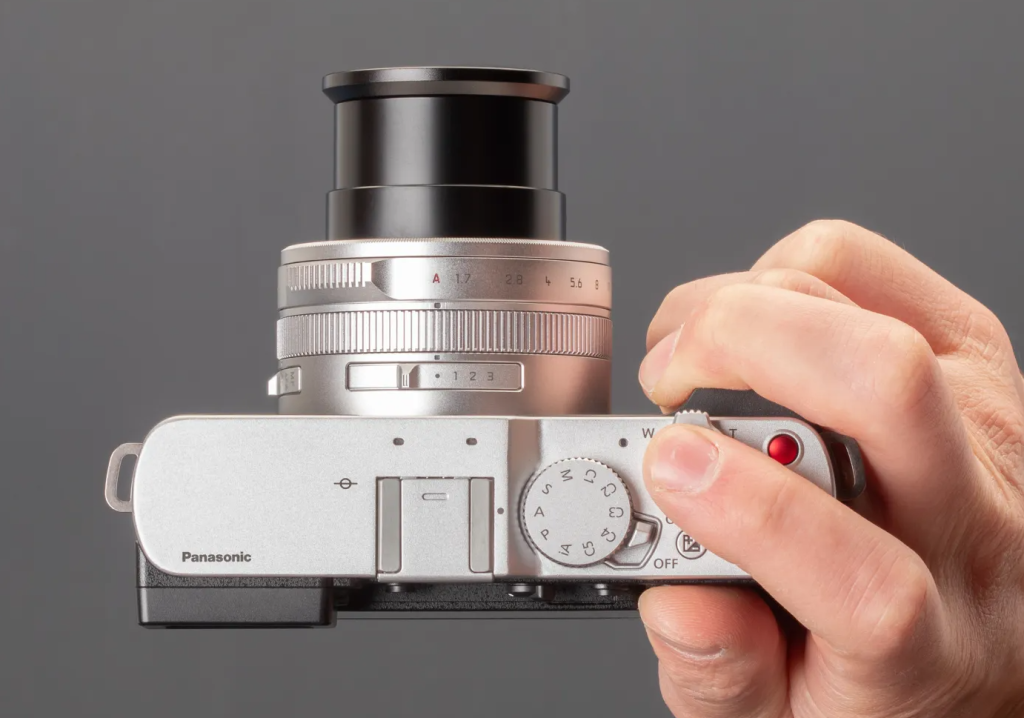
- Optics: Fixed 24–75mm equivalent motorized zoom lens with F1.7–2.8 variable aperture + OIS; slow lens extension/zoom speed is a key flaw. Leaf shutter supports full-speed flash sync up to 1/2000s, no built-in ND filter.
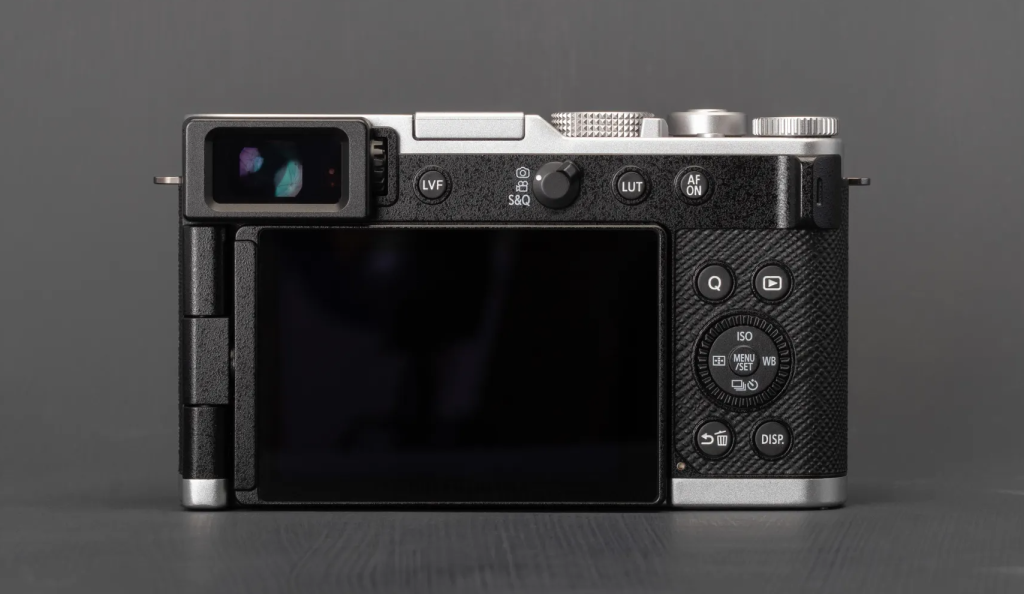
- Display & EVF: 2.36M-dot fixed OLED EVF (eliminates LX100’s color tearing issue); 3-inch 1.84M-dot fully articulating rear screen with vertical-orientation UI, foldable inward to avoid scratches during transport.
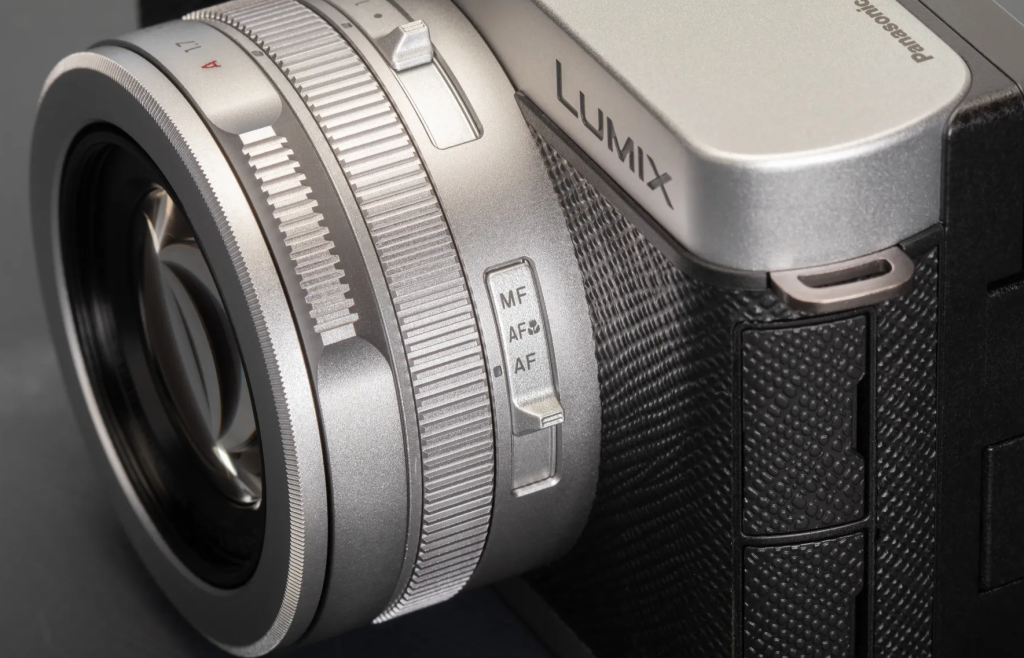
- Controls: Almost all physical buttons, lens aperture ring and barrel sliding switch are fully customizable; lost dedicated shutter speed/exposure comp dials from LX100 II, default layout unintuitive and rear navigation dial is overly sensitive. Lens sliding switch can remap aspect ratios, color modes or focal length presets.
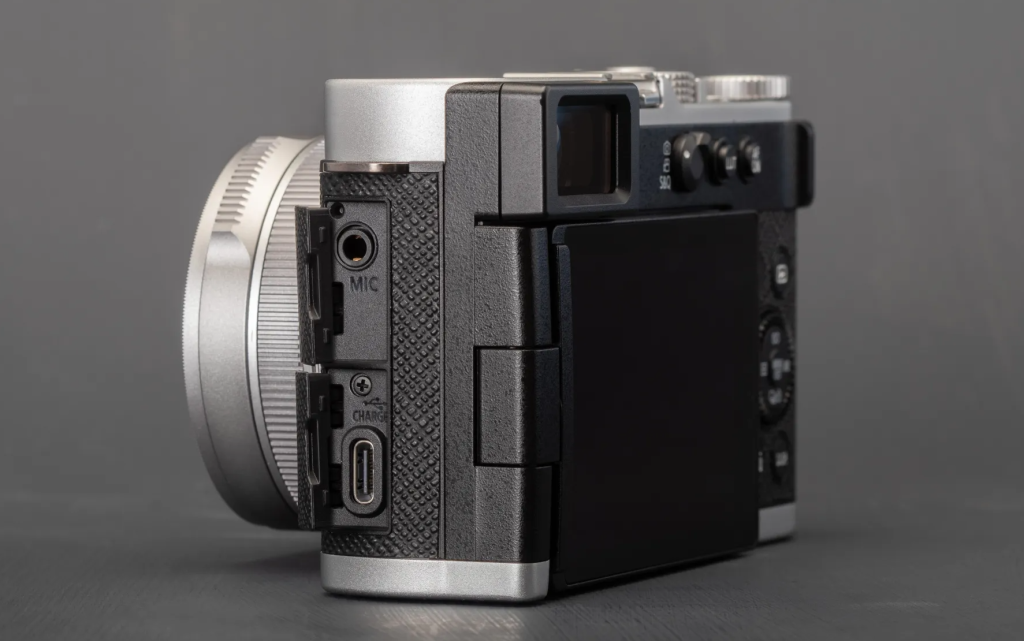
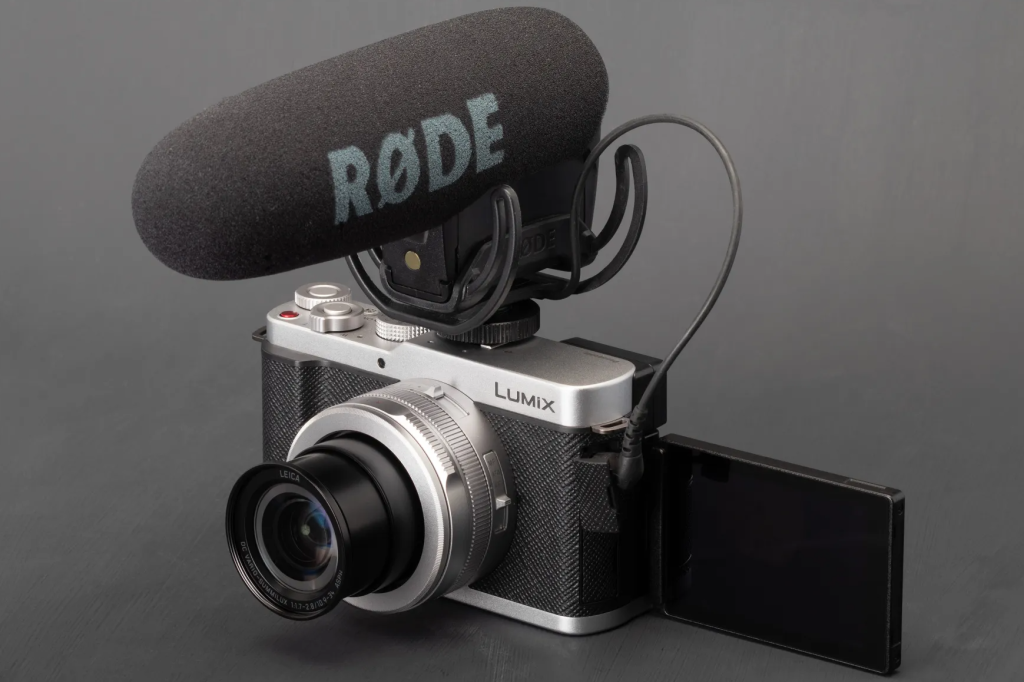
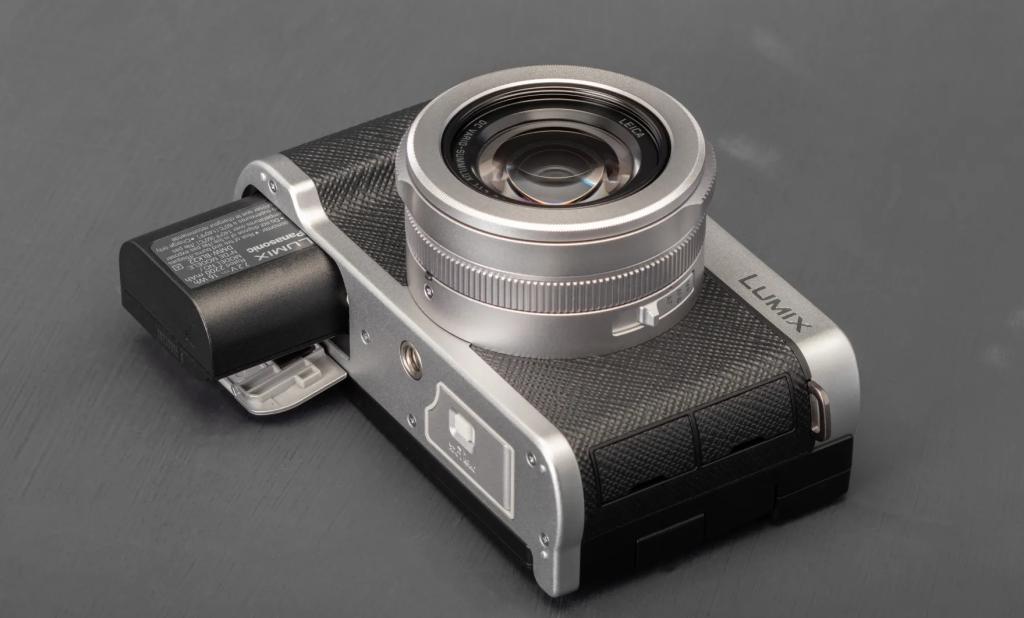
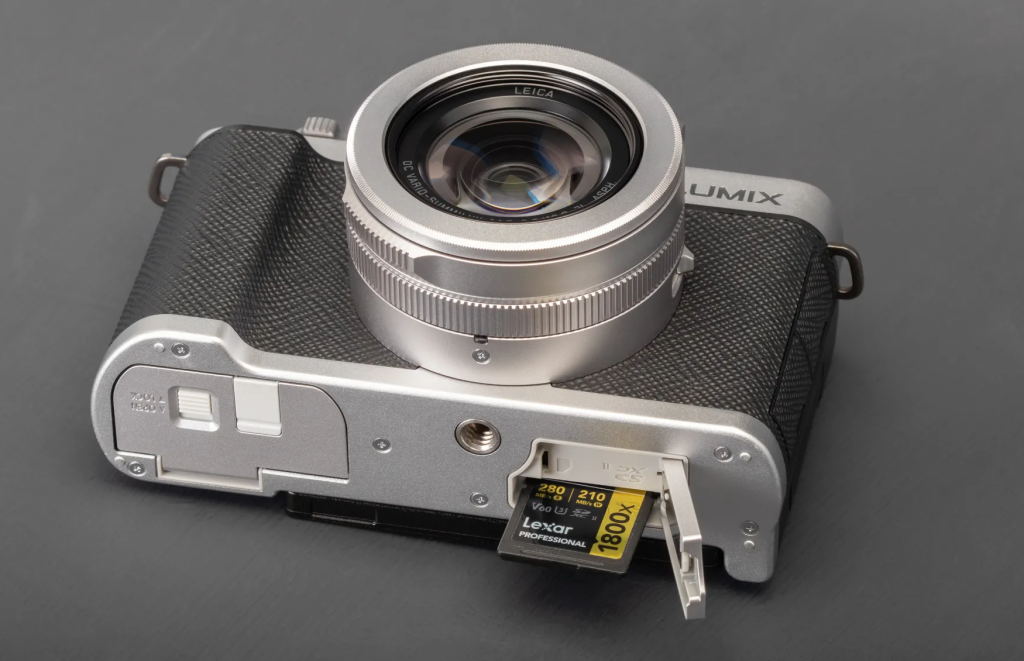
- Ports & Power: Single UHS-II SD slot, 10Gbps USB-C, 3.5mm mic jack, full hotshoe (compatible with XLR audio accessory); no headphone jack, no IBIS. CIPA-rated 420 shots (LCD) / 410 shots (EVF) via BLK22 battery, vastly improved over LX100 II’s battery life.
4. Image Quality Performance
- Raw files deliver sharp detail and wide dynamic range; low read noise enables flexible shadow lifting in post, with far cleaner high-ISO output than Type 1-inch sensor rivals (Sony RX100 VII, Canon G7 X III).
- JPEG color rendering is punchy and natural, fully customizable via LUT system.
- Optical limitation: Same lens design as LX100 II struggles with soft corner sharpness, especially at wide apertures; stopping down improves edge resolution noticeably.
- Drawback vs prime APS-C compacts (Ricoh GR IV, X100VI): Inferior low-light noise performance, offset by versatile zoom range.
5. Autofocus Strengths & Limitations
- Strengths: Reliable tracking for recognized subjects across most lighting; multiple AF area types (pinpoint, zone, full-area tracking); touchpad AF control via EVF view.
- Weaknesses: No AF joystick, requiring touchscreen navigation; generic object tracking fails in dim/chaotic scenes; tracking locks to fixed frame position without automatic fallback to untagged subjects, forcing frequent toggling of subject recognition mode.
6. Video Capabilities
Powerful video toolkit for a compact camera, though limited by missing ProRes Raw, headphone monitoring and IBIS:
5.2K open-gate 30p, full-width 4K up to 120p slow motion, total 60 recording modes including social-media optimized lightweight MP4 Lite.
Supports 10-bit HLG / V-Log, waveform monitoring, programmable focus transitions, frame guides; missing false color and shutter angle controls.
All subject recognition AF functions carry over to high-frame-rate video recording.
7. Competitive Comparison Highlights
| Competitor | L10 Advantages | L10 Disadvantages |
|---|---|---|
| Panasonic LX100 II | Better sensor, PDAF, longer battery, fully articulating screen, modern USB-C/Wi-Fi | Larger size, clumsier customizable control layout |
| Sony RX100 VII | Larger Four Thirds sensor, multi-subject AF, EVF, longer battery, faster data transfer | Shorter zoom range (24–75 vs 24–200), bigger body, higher price |
| Canon G7 X III | Superior resolution, robust 10-bit video, EVF, more versatile AF | Slower maximum aperture, smaller sensor, no EVF on Canon model |
| Fujifilm X100VI / Ricoh GR IV | Versatile zoom lens | Fixed prime, smaller sensor area for low-light |
8. Pros & Cons Recap
Strengths
- Excellent dynamic range and overall image quality for a zoom compact
- Comprehensive multi-subject PDAF tracking with pre-capture burst
- Fast F1.7–2.8 zoom covering daily travel focal lengths
- High-quality color customization via built-in film modes + Real-Time LUT
- Bright high-res EVF and protective fold-out flip screen
- Class-leading battery endurance
- Complete professional video recording toolkit
- Modern fast USB-C, Wi-Fi 5 and Lumix Lab mobile workflow
Weaknesses
- Bulky body that cannot fit in jacket pockets
- Sluggish motorized lens zoom and startup retraction
- Unrefined default control scheme, fussy rear navigation dial
- No built-in IBIS or headphone jack, limiting video usability
- No internal ND filter; leaf shutter max mechanical speed 1/2000s
- Premium price without matching high-end tactile build feel
- Zoom tele end stops at 75mm, lacking extra reach for wildlife/sports
9. Final Verdict
The L10 fulfills nearly every feature request raised in the LX100 II review, making it the best new enthusiast zoom compact released in nearly a decade. It excels for travel, street and everyday photographers wanting a portable all-in-one camera with modern sensor, autofocus and video tools, and is also suitable for beginner creators upgrading from smartphones.
It is not ideal for users prioritizing ultra-compact size, long telephoto reach, or professional vlogging (lack of IBIS/headphone jack). While its control ergonomics and slow lens zoom hold it back from perfection, it ranks as the top recommendation for buyers shopping in the premium fixed-zoom compact category.