Summary of Sony a7R VI DPReview Review
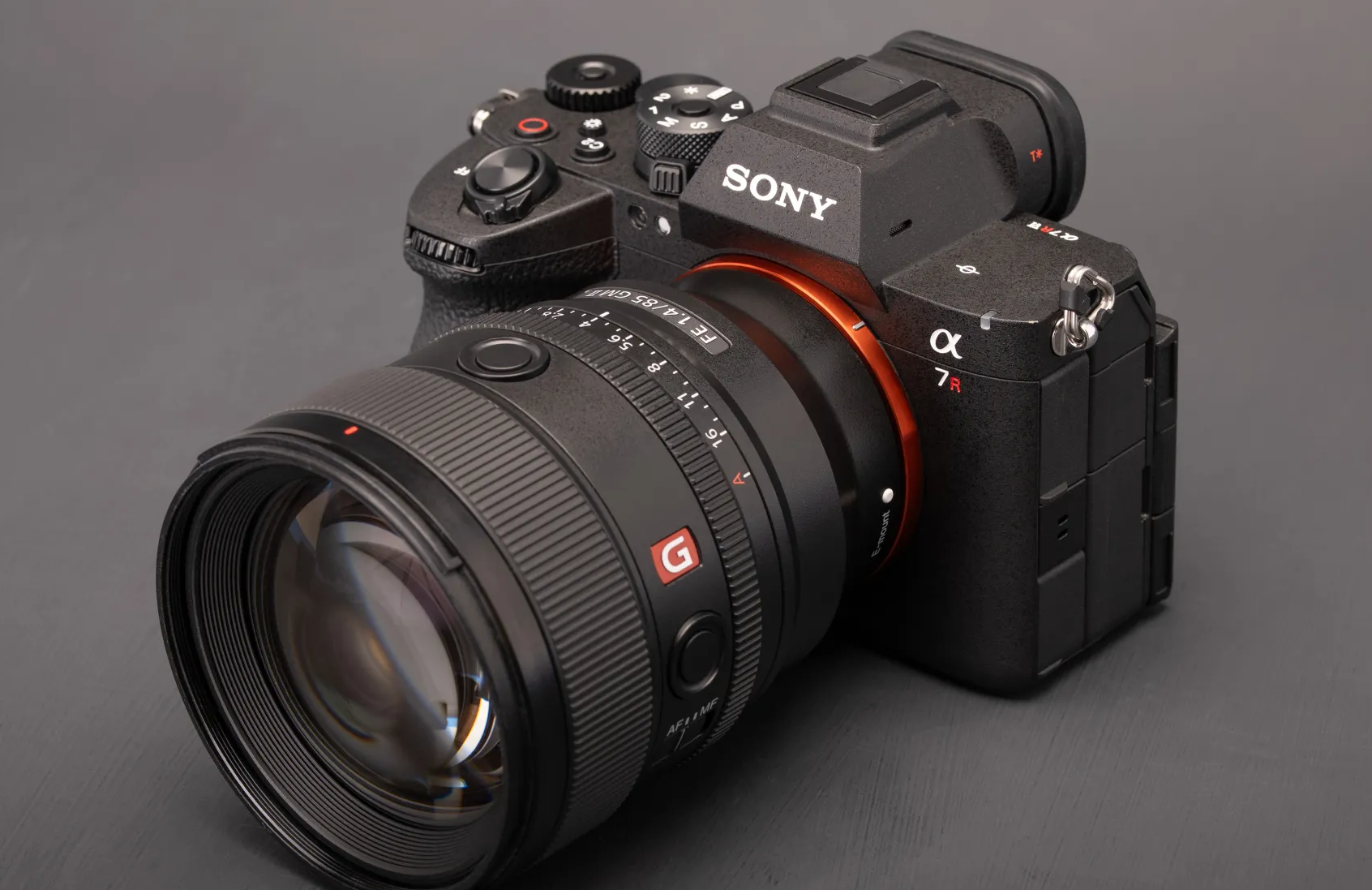
Released June 16 2026 with a $4499 retail price, the Sony a7R VI scores 92% overall and serves as an upgraded high-resolution full-frame mirrorless camera built to replace the a7R V, targeting landscape, studio, wedding and wildlife creators rather than professional competitive sports shooters.
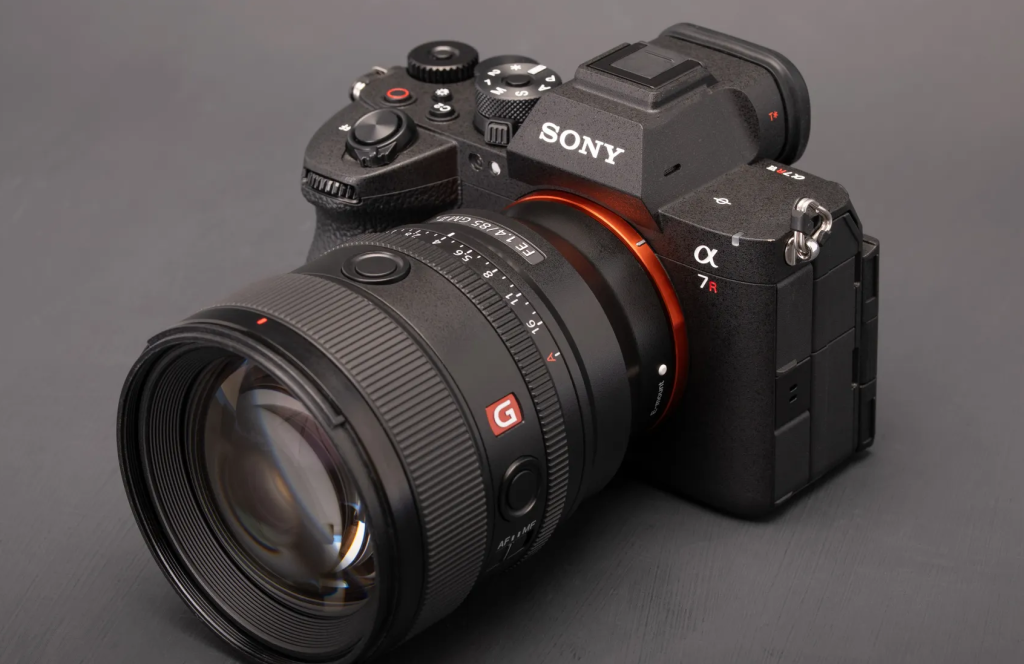
It carries a newly designed 66.8MP stacked CMOS sensor paired with BIONZ XR2 processor, delivering 5.6 times faster sensor readout alongside wider dynamic range through dual conversion gain pixel reading that combines low-noise and high-capacity data for cleaner highlights and shadows, while electronic shutter performance sees massive improvement over its predecessor with rolling shutter cut down to 19.6ms, supporting blackout-free 30fps continuous shooting and adjustable pre-capture buffer that saves frames captured up to one second before fully pressing the shutter.
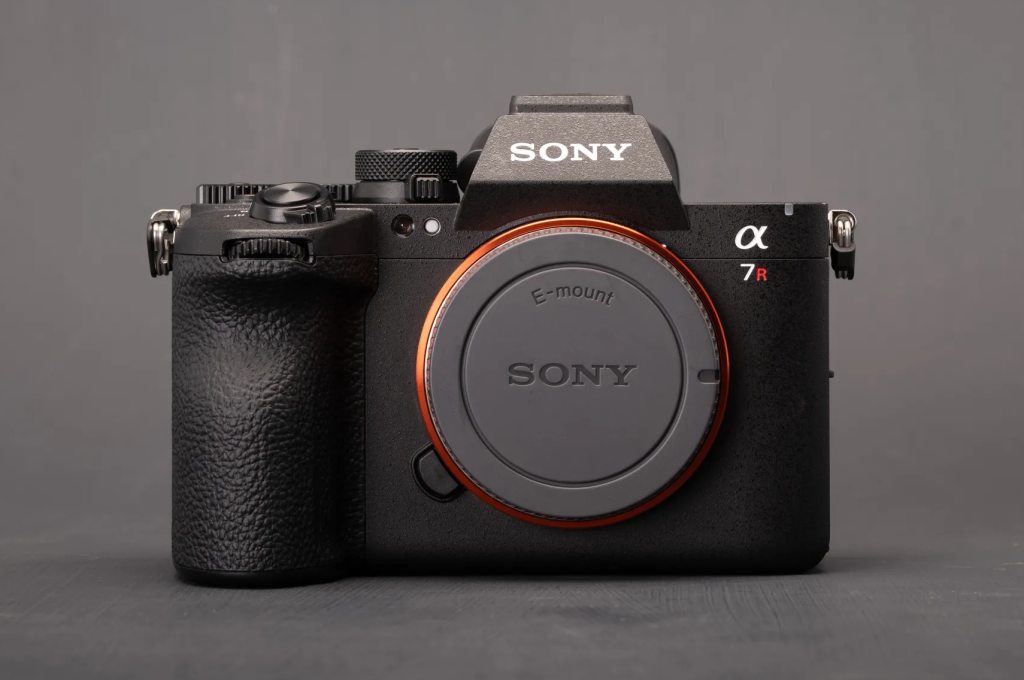
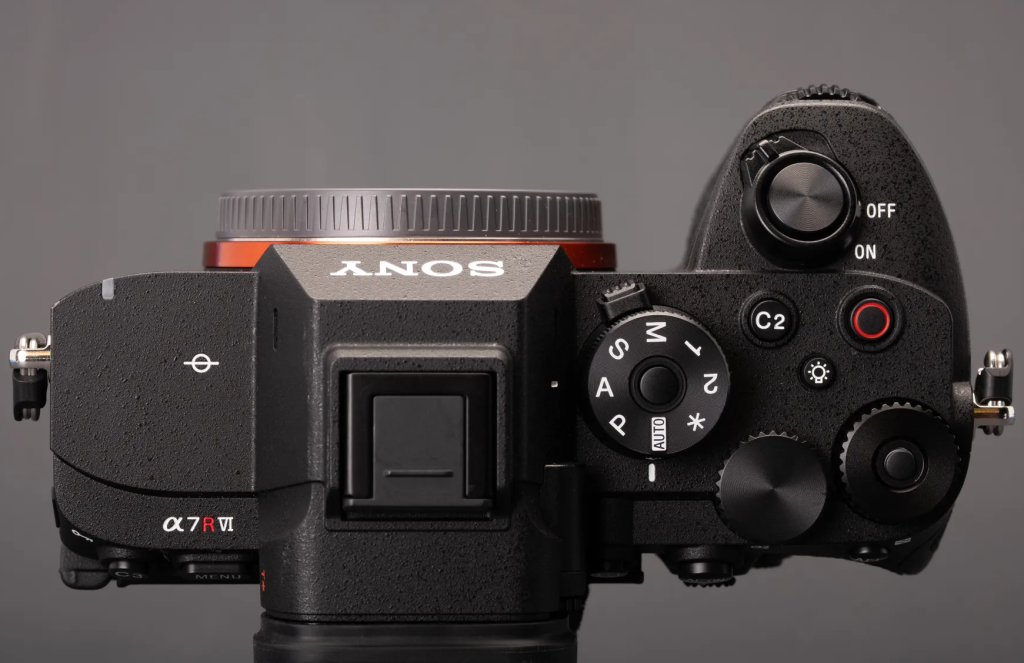
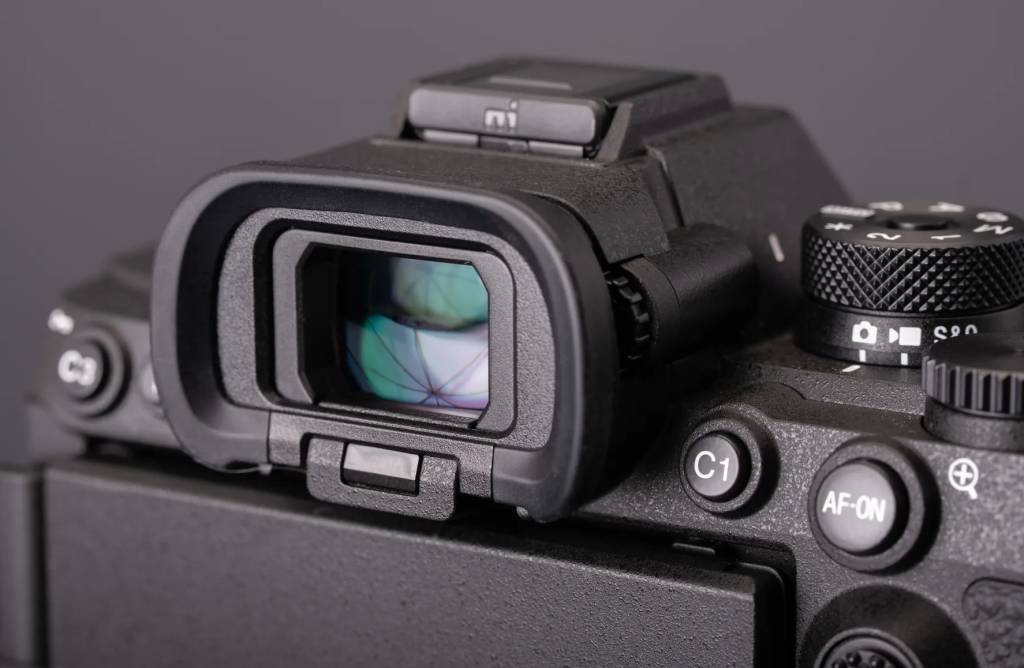
The camera adopts a brand new NP-SA100 high-capacity battery incompatible with older Sony Z-series cells, offering 27% higher power capacity for CIPA-rated 710 shots via rear screen and 600 shots through viewfinder, and ships with a dual battery charger for extended shooting sessions. Body adjustments include a reshaped deeper grip for more comfortable handling, industry-first illuminated rear buttons with adjustable brightness for low-light operation, a high-resolution 9.44M dot HDR-capable OLED viewfinder that displays true HDR previews, and a fully articulating 3.2-inch rear screen with vertical optimized UI for portrait framing.
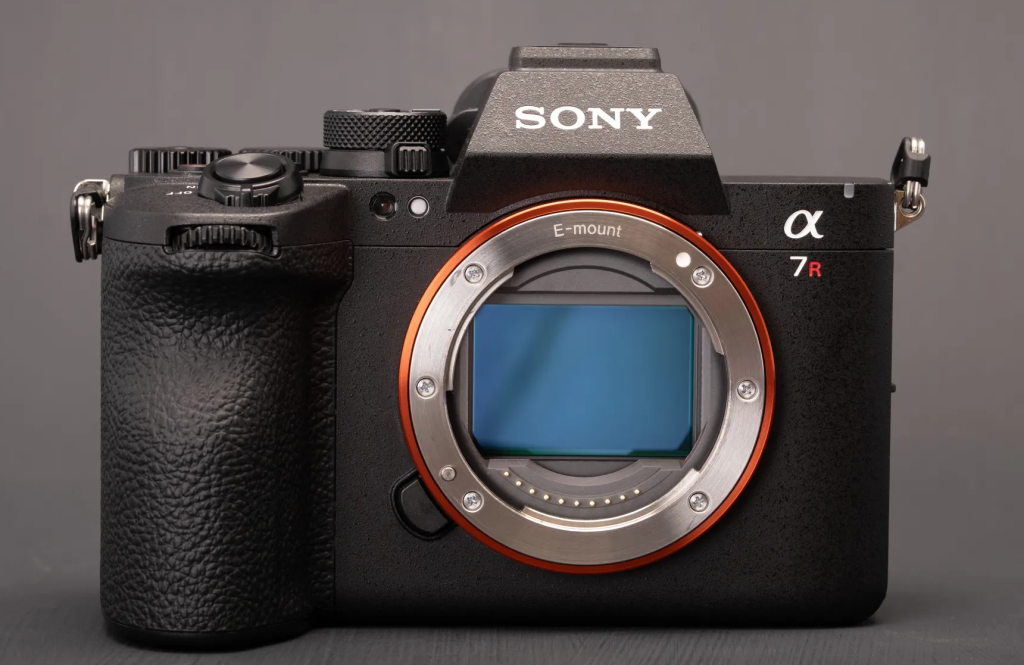
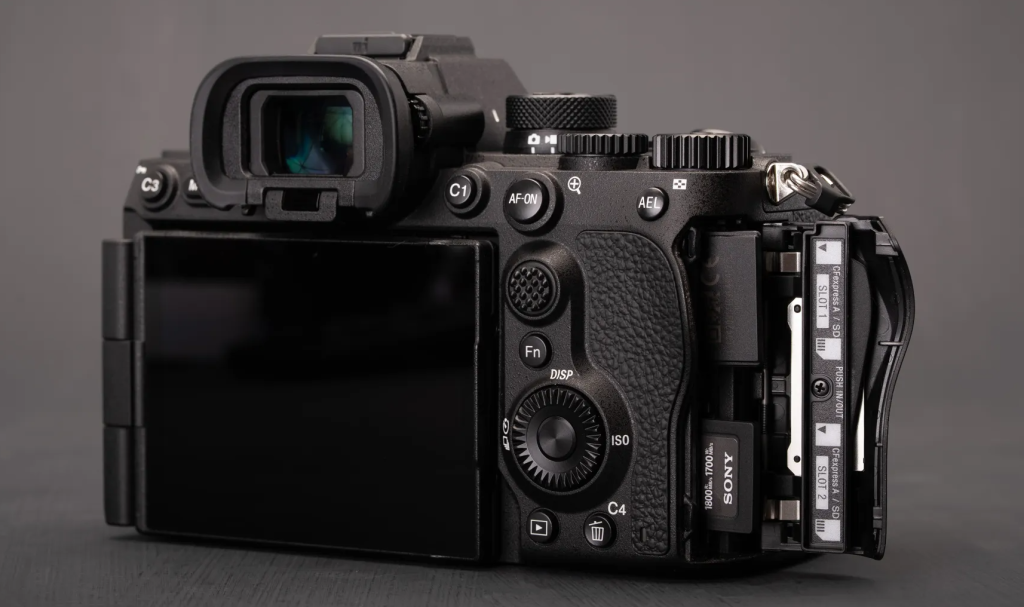
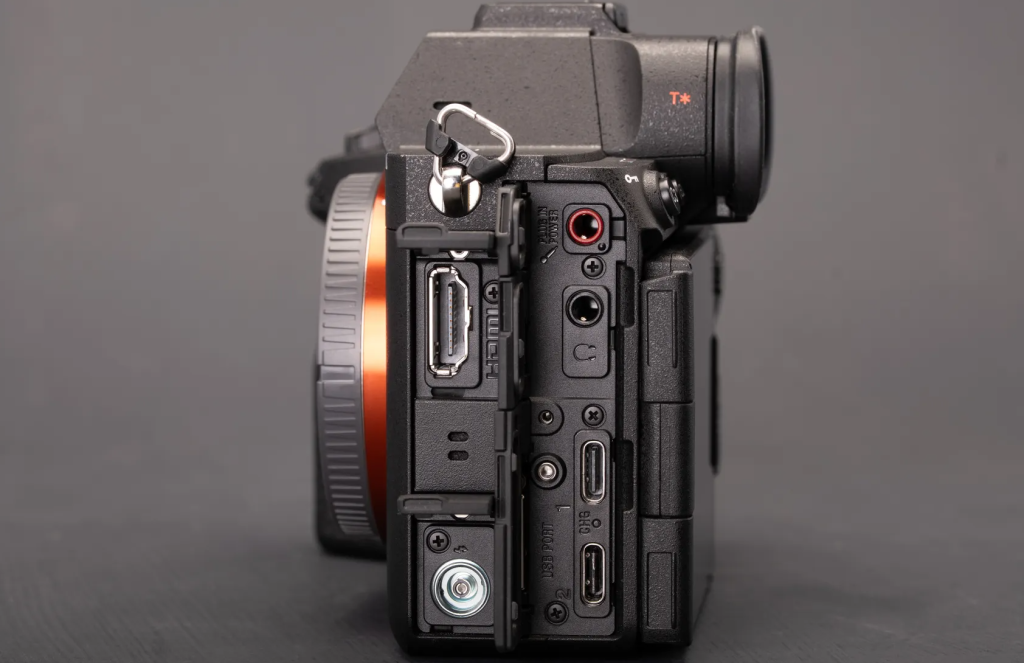
Hardware layout features two separate USB-C ports to split fast 10Gbps data transfer and power delivery functions, plus dual card slots supporting both CFexpress Type A and UHS-II SD storage, though it removes the front C5 custom button found on Sony’s top-tier a1 II and a9 III models and creates minor inconvenience when operating back-button focus alongside speed boost functions.
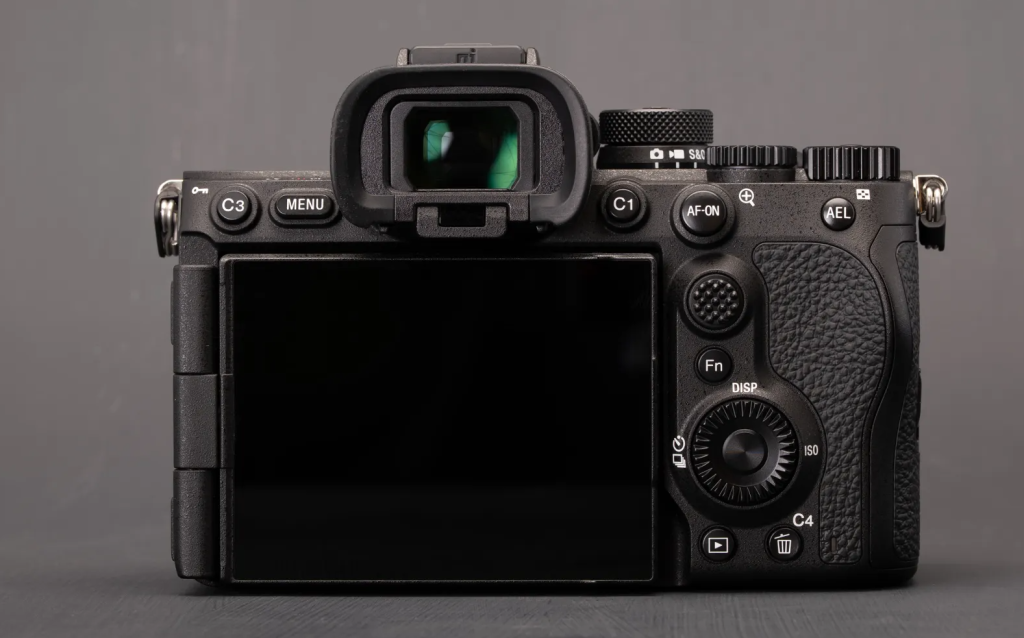
Image quality stands out as the camera’s core strength, with 66.8MP resolution capturing finer detail than rival 44MP to 61MP cameras alongside outstanding ISO invariance that lets photographers lower exposure to protect highlights without heavy shadow noise during post processing, and mechanical shutter mode unlocks the sensor’s full dual-gain dynamic range advantage that only slightly diminishes under silent electronic shooting.
JPEG color rendering balances natural tones and effective noise reduction across all sensitivity levels, while built-in five-axis in-body stabilization delivers up to 8.5EV shake correction at the frame center and 7EV at edges for steady handheld stills and video.
Autofocus leverages updated AI algorithms with universal automatic subject recognition covering humans, animals, birds, vehicles and insects, offering reliable eye tracking even in dim lighting and customizable rectangular AF zones of variable sizes, though the tracking system cannot automatically switch to generic untagged objects when subject detection is enabled, forcing frequent manual toggling of recognition modes during mixed shooting scenarios. Peak 30fps burst performance requires switching to lossy 12-bit compressed raw files, which trades a small amount of shadow dynamic range for smoother viewfinder motion and faster AF calculations during continuous shooting.
Video functionality receives significant upgrades from the a7R V, supporting 8K 30p recording with mild 1.2x crop and full-width uncropped 4K up to 120 frames per second when field of view priority mode is activated, plus a unique dual gain shooting mode exclusive to 4K footage at 30p or lower that broadens video dynamic range by reading both sensor gain layers at once, albeit with longer sensor readout time and slightly increased rolling shutter. The camera lacks internal raw recording and waveform exposure monitoring unlike Canon and Nikon competitors, and its pixel-binned 4K output appears softer side-by-side with rivals, while professional audio requires the optional XLR-A4 adapter to access 32-bit float recording and four-channel sound capture to eliminate clipping risks.
When stacked against competitors, the a7R VI edges out Canon EOS R5 II and Nikon Z8 on resolution, dynamic range and battery life yet falls behind those two models in rolling shutter speed for fast-moving sports subjects, while Panasonic S1R II offers a cheaper L-mount alternative with richer video codecs but weaker autofocus tracking.
Compared to Sony’s own lineup, the a1 II maintains superior pure action shooting performance and extra front custom controls, and the older a7R V still delivers solid static image quality for landscape photographers with no need for high-speed burst or advanced video tools. Minor drawbacks include overly complex menus with awkward translation wording, softer 4K video output, and grip shaping less optimized than Sony’s dedicated sports camera bodies, yet the model still earns DPReview’s gold award as the leading full-frame option for creators prioritizing maximum resolution and versatile all-day shooting capability.