How To Do Mountain Photography: Tips, Locations, and Examples
Mountains deliver unmatched dramatic landscape frames, yet many new outdoor photographers return home disappointed with flat, lifeless shots—an issue I’ve found almost always stems from skipping thorough pre-trip planning rather than lacking expensive camera equipment. Hiking long distances to reach viewpoints eats up precious golden hour light, so mapping terrain with Google Earth and tracking light movement via The Photographer’s Ephemeris is non-negotiable.
Local tide and weather forecasts also shape your shooting window; mountain peaks often block low-angle sunlight, cutting golden hour extremely short or eliminating it entirely, which means you cannot rely solely on sunrise and sunset for warm, soft illumination.
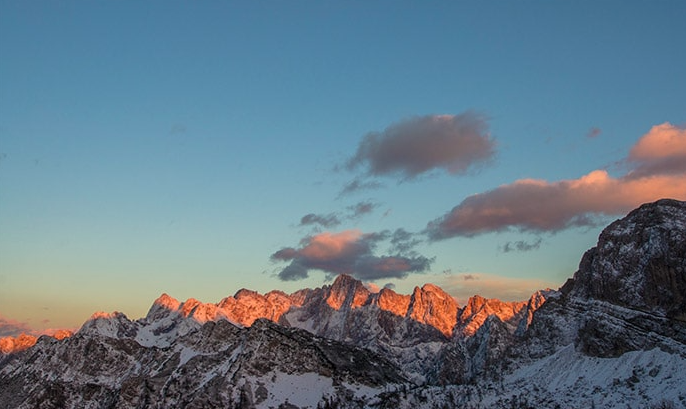
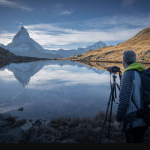
Staying safe and protecting your gear in high-altitude terrain directly impacts how many usable photos you capture. Cold mountain air drains camera batteries rapidly, so store spare batteries inside layered clothing to retain charge, and disable non-essential functions like constant LCD display to extend power. Drastic temperature shifts create lens condensation; slowly acclimate your camera outdoors before shooting, and seal it with silica gel packets inside an airtight bag to avoid moisture damage. Lightweight tripods are essential gear here—bulky heavy models get abandoned mid-hike, leaving you unable to pull off long exposures or exposure bracketing. Bracketing multiple exposures balances stark contrast between bright snow peaks and shadowed valley floors, and these layered shots can later be merged for HDR results inside Lightroom or Photoshop.
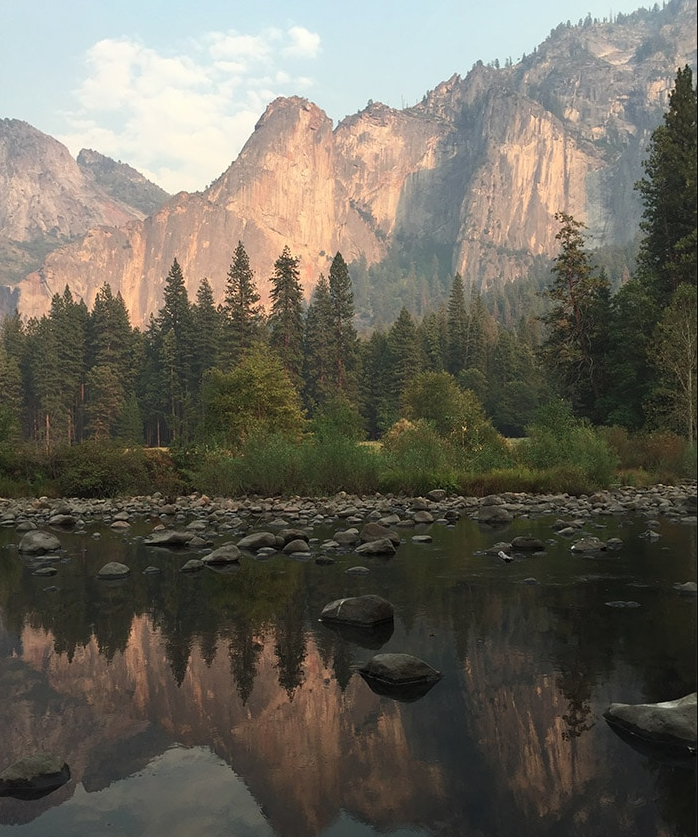
Your camera’s aperture choice defines overall sharpness across mountain frames. While f/16 to f/22 delivers broad depth of field to keep foreground foliage and distant summits crisp, my consistent field testing proves f/11 to f/16 yields sharper detail without diffraction softness. Always lock your ISO to the camera’s native low value to eliminate distracting digital grain, prioritizing slower shutter speeds over cranking up light sensitivity when working in dim alpine twilight.
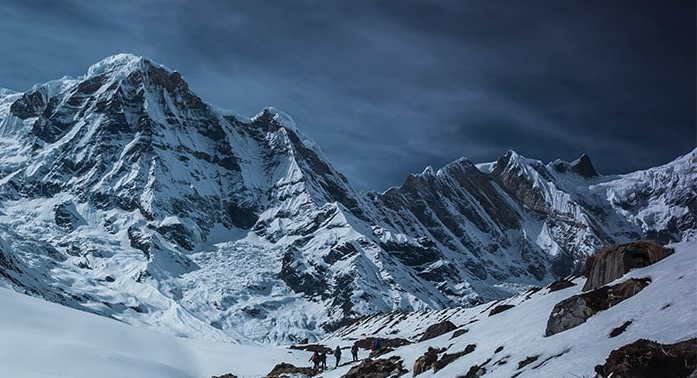
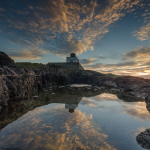
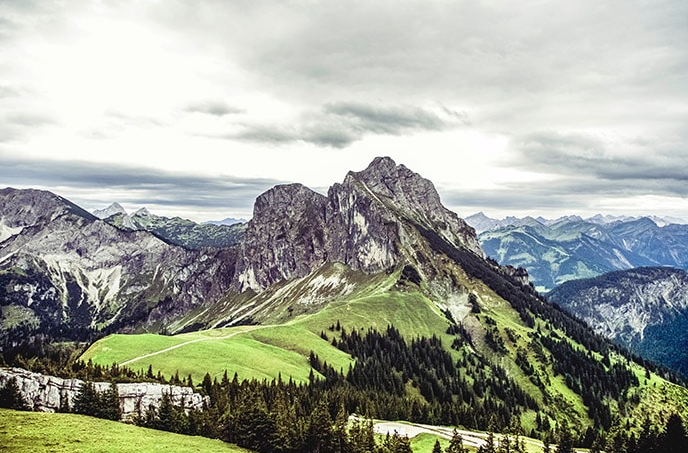
Thoughtful composition separates generic mountain snapshots from standout outdoor photography, and I always prioritize adding layered foreground elements to pull viewers deep into the frame. Streams, scattered boulders, pine thickets, and winding hiking trails act as natural leading lines guiding eyes straight toward mountain focal points. Calm mountain lakes and waterfalls bring an extra layer of visual depth through mirror-like reflections of ridgelines and tinted sunset clouds; just ensure your framing balances the water feature so it does not overpower the towering peaks behind it. Including small groups of hikers in select shots also creates vital scale, letting audiences grasp the immense size of alpine terrain that empty landscapes fail to convey.
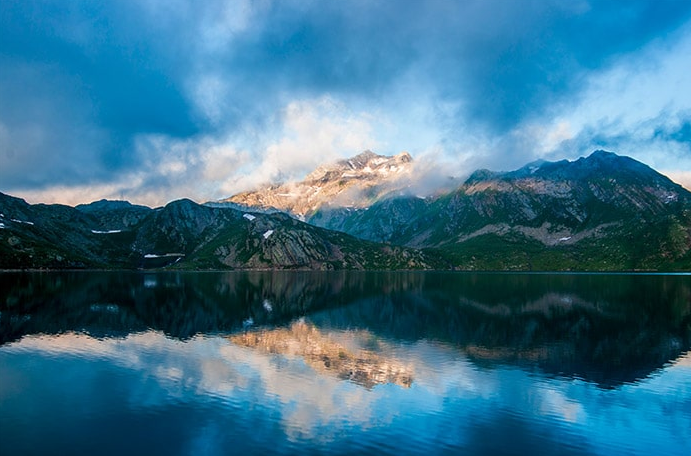
Don’t limit yourself to widely photographed iconic mountain viewpoints. Every popular national park shot has been replicated thousands of times, so veer off well-marked trails to hunt for alternative elevations and fresh angles. Ten incredible U.S. mountain photography destinations range from Grand Teton and Rocky Mountain National Park to Alaska’s Denali and Virginia’s Shenandoah, each offering distinct forest, lake and snow peak scenery for varied portfolios.
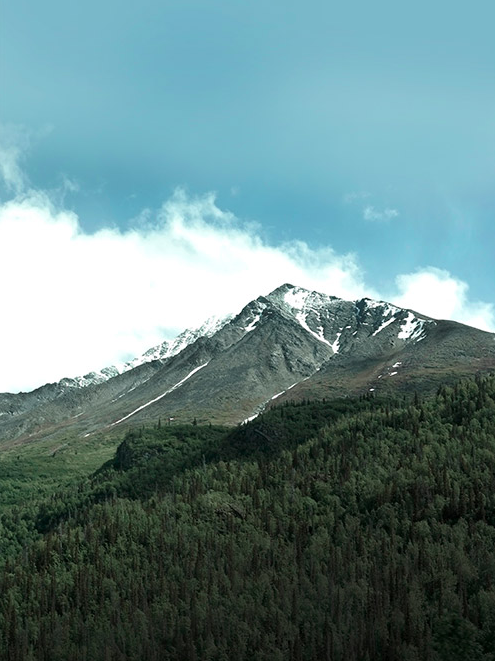
Physical self-preparation is just as critical as camera readiness for high-altitude shoots. Layered windproof, waterproof outerwear adapts to fast-changing mountain temperatures, while supportive grippy hiking boots prevent slips on rocky or icy ground. Snow reflection amplifies UV radiation dramatically, so pack strong sunscreen, UV-protective sunglasses, and brimmed hats to shield skin and eyes. Acute Mountain Sickness poses severe health risks at high elevations; climb gradually to acclimatize, stay hydrated, and descend immediately if headache, fatigue or dizziness surfaces. Carrying walking poles distributes backpack weight evenly across joints, and pack more high-energy food and water than you estimate needing, as remote mountain terrain offers no quick supply stops.