Rewritten Outdoor Photography Blog: Photographing Volcanic Lanzarote, Canary Islands
Lanzarote stands out among all Canary Islands as an unbeatable outdoor photography location, blending raw volcanic wilderness with unique Manrique-designed architecture, and I’d argue it delivers more diverse shooting scenes than Tenerife or Gran Canaria combined. Unlike generic coastal destinations that only offer beach frames, this island mixes alien lava landscapes, hidden cave pools, dramatic cliff shorelines, and rustic vineyard terraces all within a short driving radius, making a rental car non-negotiable for landscape shooters.
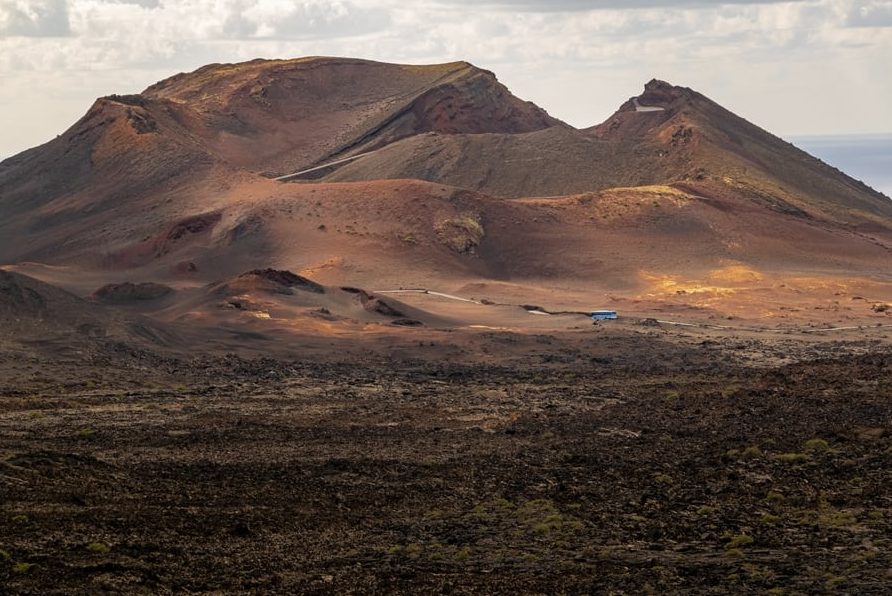
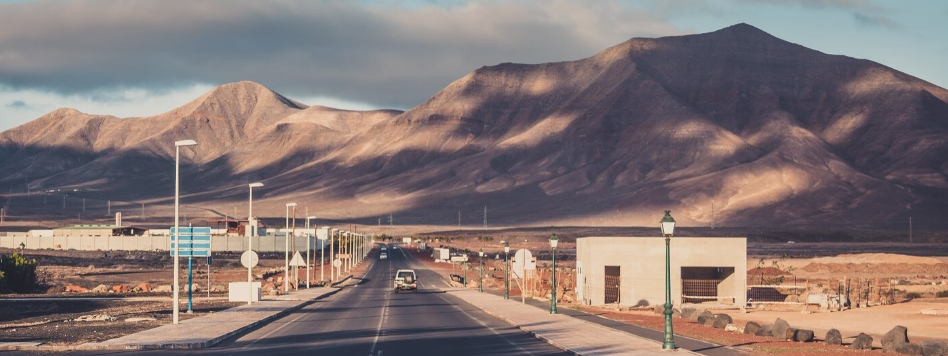
The island’s signature shooting spots all tie back to artist César Manrique’s vision of harmonizing human structures with volcanic terrain. Timanfaya National Park is the core volcanic subject; its rusted, layered fire mountains and black lava plains create striking high-contrast wide shots, especially under moody cloudy skies. I always shoot here during late afternoon golden hour to warm the red rock tones, and recommend bringing a tripod for long exposures to smooth sparse wind-blown ash dust across the foreground. Close by, El Golfo’s green volcanic lagoon ringed with black sand and red stratified cliffs makes one-of-a-kind foreground material, ideal for pairing with CPL filters to balance water and rock exposure without washing out the lagoon’s vivid hue.
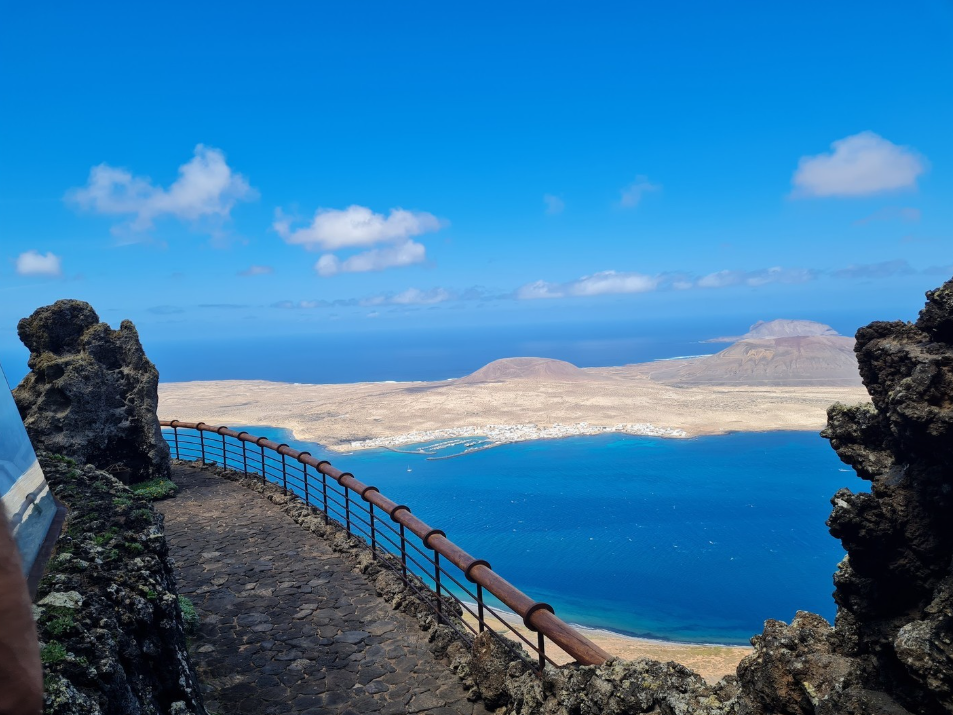
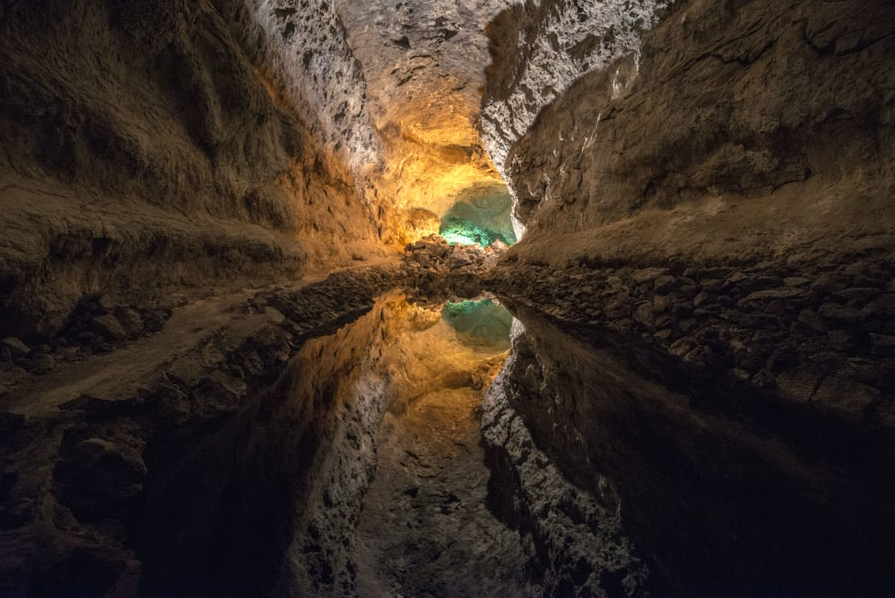
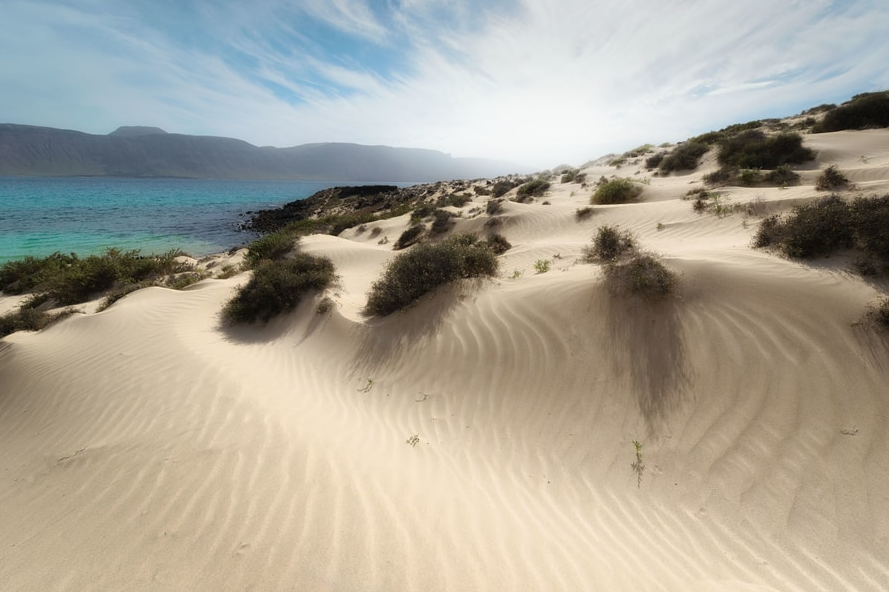
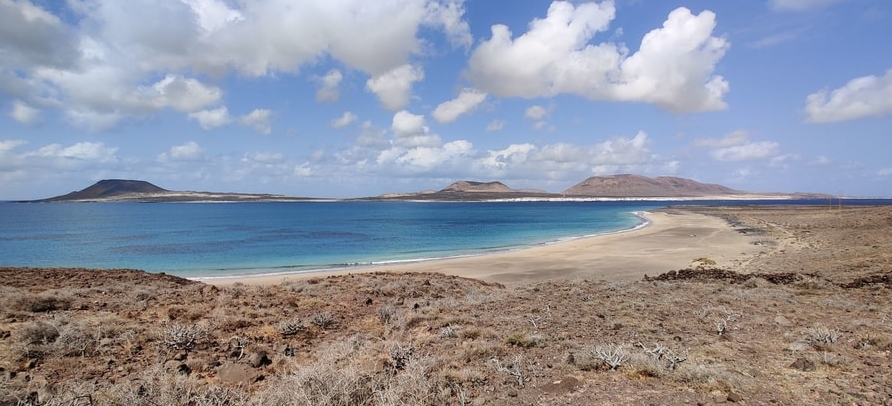
Northern Lanzarote holds underground and elevated photographic gems built inside ancient lava tubes. Cueva de los Verdes and Jameos del Agua feature reflective underground water pools that generate mirror-like symmetrical frames; dim cave lighting means you’ll need base ISO 100 and slow shutter speeds, so remote shutter releases eliminate camera shake. Mirador del Río, a cliffside viewpoint crafted into the rock face, opens up unobstructed panoramic views toward La Graciosa isle—sunset here produces layered blue and orange skies that translate beautifully to RAW post-processing in Lightroom. A short ferry ride to La Graciosa rewards photographers with empty pale sand dunes, quiet fishing harbours and low, whitewashed Canarian villages free of tourist crowds.
For softer, layered landscape shots, La Geria’s vineyards are essential to add variety to your portfolio. Volcanic stone half-walls shelter small grape vines across dark lapilli soil, creating repeating leading lines that draw viewers toward distant volcanic peaks. Stormy overcast days are my personal favourite time to shoot this zone; heavy cloud cover adds dramatic depth without harsh midday glare that flattens the dark lava textures. The island’s cactus garden, another Manrique creation, blends volcanic boulders, tall succulents and a traditional white windmill—perfect for detail-focused outdoor photography between wide volcanic scenes.
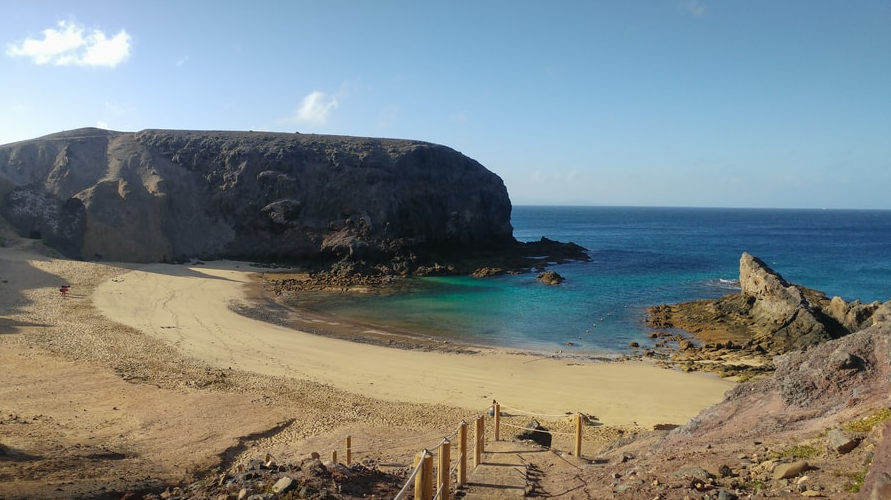
Coastal shooting opportunities stretch the full length of the island. Papagayo’s sheltered turquoise coves deliver classic tropical beach frames, while Famara’s towering cliff coastline and long surf beach offer dynamic wave action for fast shutter freeze shots or silky long-exposure sea motion. Dolphin-watching boat trips from Puerto del Carmen open up marine wildlife photography, where fast telephoto lenses are required to capture pods moving across bright blue open water; timing cruises during morning blue hour avoids harsh mid-ocean light. Traditional whitewashed villages including Teguise and Costa Teguise provide architectural filler shots, with narrow green-trimmed alleyways and old stone church towers that work well as secondary foreground subjects.
When planning your shooting trip, spring and autumn (April–June, September–October) are far superior for outdoor photographers than crowded summer or winter escape seasons. Trade winds pick up heavily from July to August, creating blurry wind haze over volcanic peaks, while winter brings budget accommodation yet shorter daylight hours for golden hour shoots. Four to seven full days is the ideal length to balance volcanic parks, cave sites, coastal coves and vineyard locations without rushing light-critical sunrise and sunset sessions. Self-driving unlock hidden off-road viewpoints inaccessible by public buses, and pre-booking rental cars weeks ahead cuts significant costs for budget travel photographers.
Accommodation choices directly impact your shooting schedule. Playa Blanca sits close to Timanfaya and El Golfo for southwest volcanic dawn shoots, while Costa Teguise and Arrecife offer easy access to northern caves and Mirador del Río. Boutique rural fincas and historic Teguise town houses provide atmospheric residential backdrops for street photography, while large beach resorts suit those prioritising daily coastal sunrise sessions. For tight budgets, off-season apartment rentals cut lodging costs drastically, freeing up funds for boat tours and park entry fees to exclusive photographic zones.
Small practical gear and planning tweaks drastically improve your Lanzarote photo output. Salt spray and fine volcanic dust damage lens surfaces quickly, so carry lens wipes and keep gear sealed between locations. Wide-angle lenses dominate most landscape frames for lava fields and coastal panoramas, while mid-zoom gear works best for village architecture and vineyard detail shots. Local weather and tide charts are critical: low tide exposes textured black rock pools around El Golfo and Los Hervideros, creating reflective foregrounds you’ll miss entirely at high water. Many photographers overlook island wine tastings in La Geria—these rural bodegas feature stone lava patios that make wonderful casual lifestyle outdoor shots to round out a volcanic landscape portfolio.