Tips to Visit the Grand Canyon in a Day
For landscape photographers squeezing only a single day to shoot the Grand Canyon, picking the right rim and prioritizing light-driven spots makes all the difference between generic snapshots and standout outdoor shots. My personal take is that the South Rim easily delivers the most varied, photo-friendly terrain for quick visits, even with heavy summer crowds, while the North Rim’s shorter open window and limited viewpoints only suit travelers with flexible multi-day schedules.
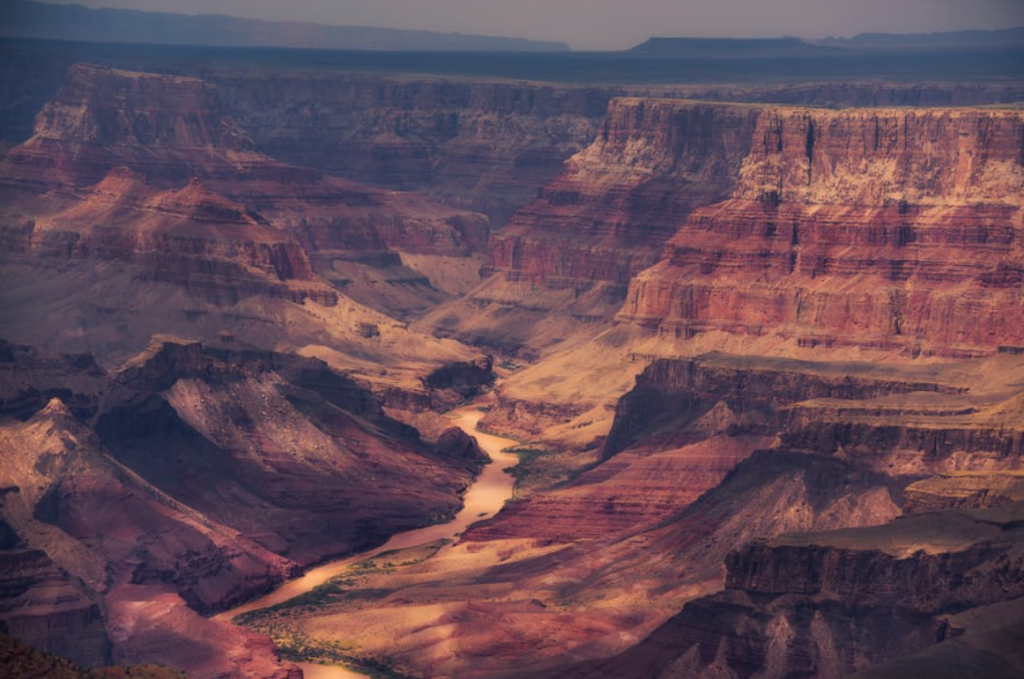
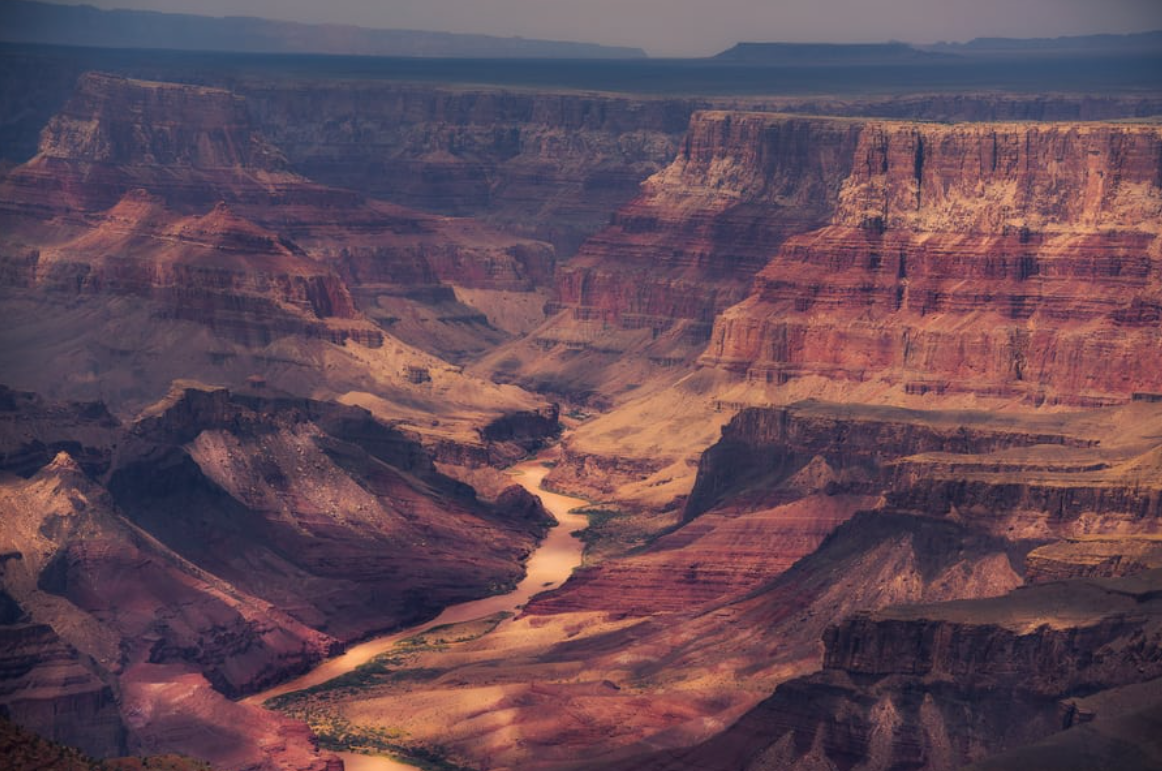
There are four distinct canyon zones to weigh up before locking your route. The South Rim stays accessible 24/7 year-round, holding iconic overlooks like Mather Point and Hopi Point that draw millions of annual visitors. Free shuttle buses operate here from March to November, cutting down parking stress at Hermit Road and Kaibab Rim viewpoints—essential for photographers rushing between sunrise and sunset frames. The East Rim runs along Desert View Drive, boasting quieter, less crowded lookouts and the historic stone watchtower, a fantastic foreground element for wide-angle compositions featuring the winding Colorado River.
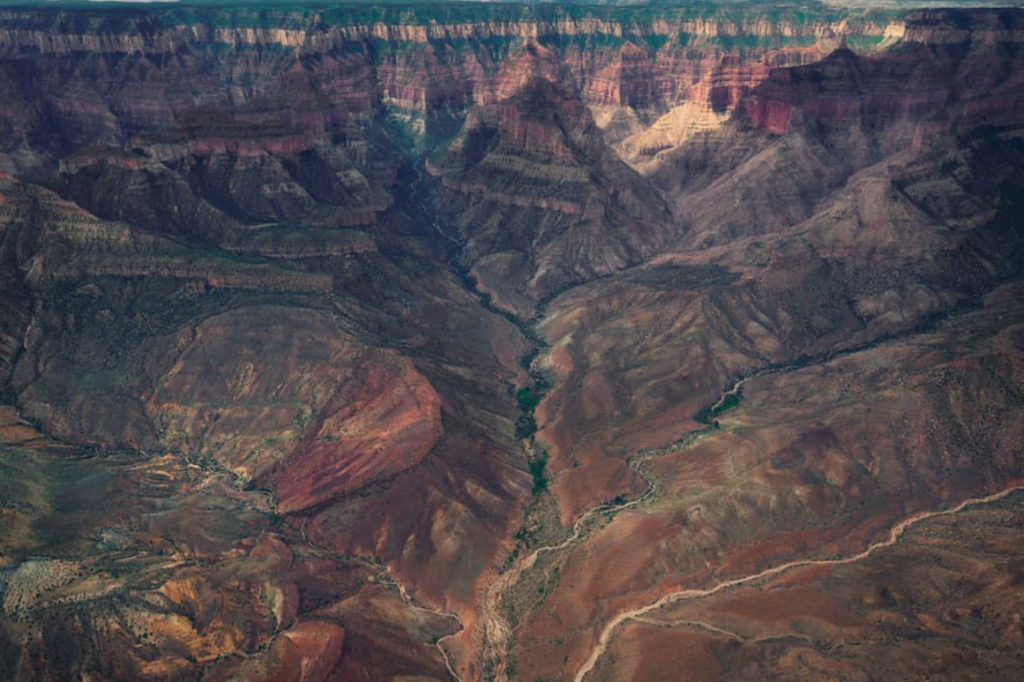
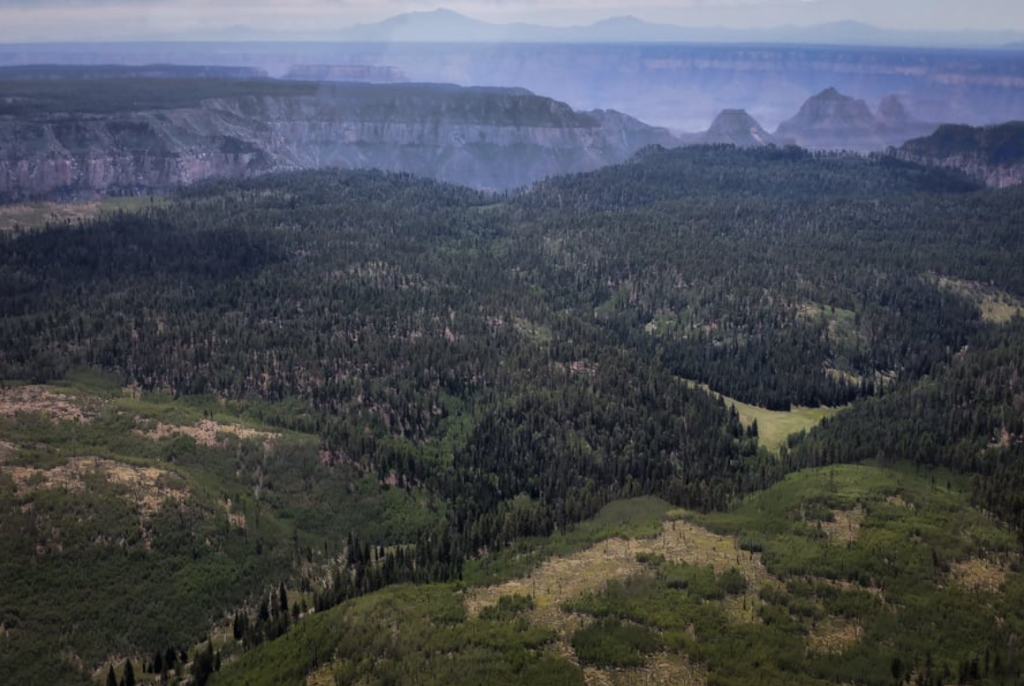
The North Rim only opens mid-May through mid-October due to heavy winter snow, with fewer developed overlooks and longer driving distances between key spots. The West Rim, operated by the Hualapai Tribe rather than national park land, is a short drive from Las Vegas and famous for the glass Skywalk, yet its higher entry fees and less expansive layered rock formations make it a secondary pick for dedicated landscape shooters in my opinion. The drive separating North and South Rim stretches over 200 miles, so crossing both within one day is never practical.
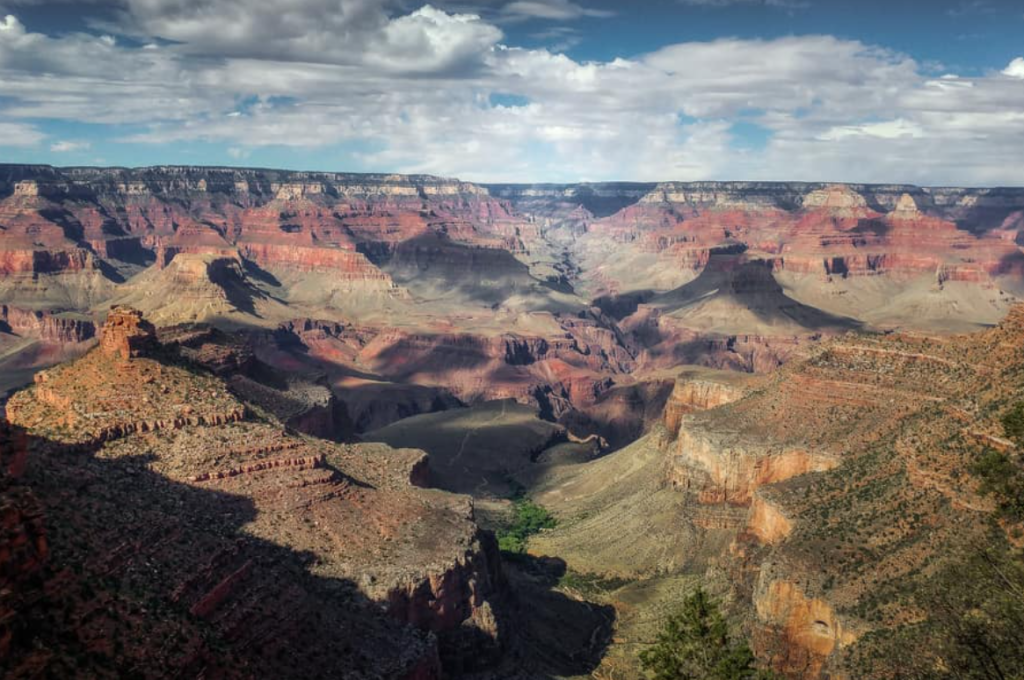
Logistics heavily shape your shooting timeline if you’re driving self-guided from nearby hubs. Las Vegas sits 2.5 hours from West Rim and over four hours from South Rim Village, while Page (near Antelope Canyon) is a two-hour trip to the East entrance. Independent travelers need a private vehicle to reach East Rim viewpoints, though free park shuttles eliminate car dependency across core South Rim photography zones. Park entry costs $30 per vehicle for a seven-day pass, and the America the Beautiful annual pass covers all US national park access for frequent outdoor photographers.
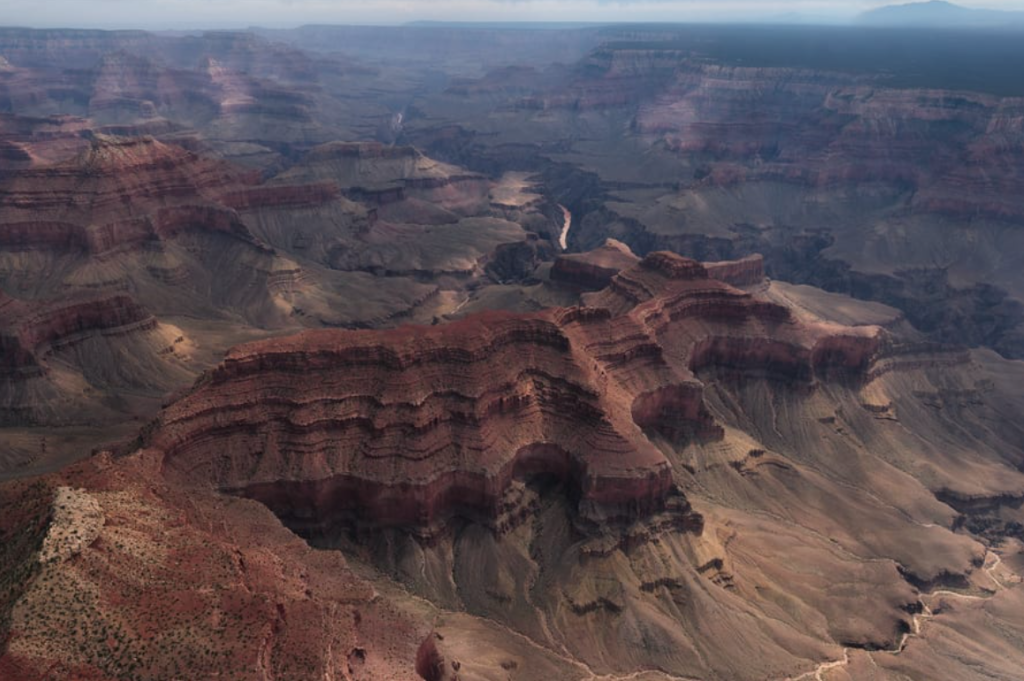
Light planning is non-negotiable for one-day shooting. Yaki Point is unmatched for sunrise photography, with unobstructed east-facing canyon layers bathed in soft early glow, while Hopi Point delivers the richest sunset color gradients as warm light hits red rock strata. For midday hours when harsh flat light ruins wide shots, I recommend short rim walks or brief hikes along Bright Angel Trail’s upper sections to capture textured close-ups of rock stratification instead of full canyon panoramas. Longer descents to the Colorado River are off-limits on a single-day schedule; steep uphill climbs drain time and energy needed for golden hour shoots.
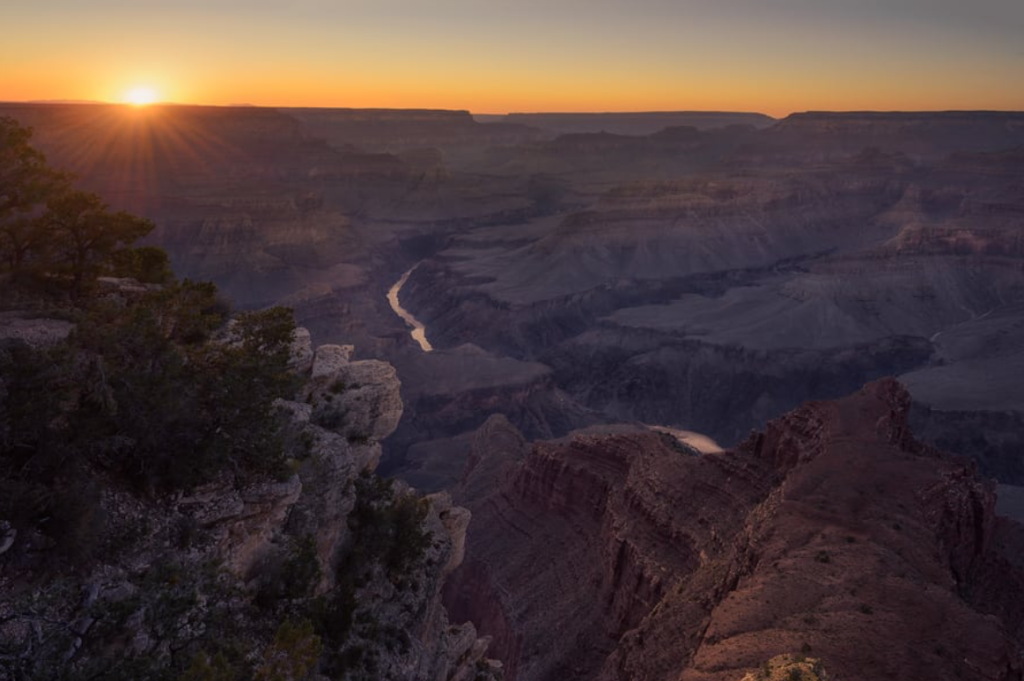
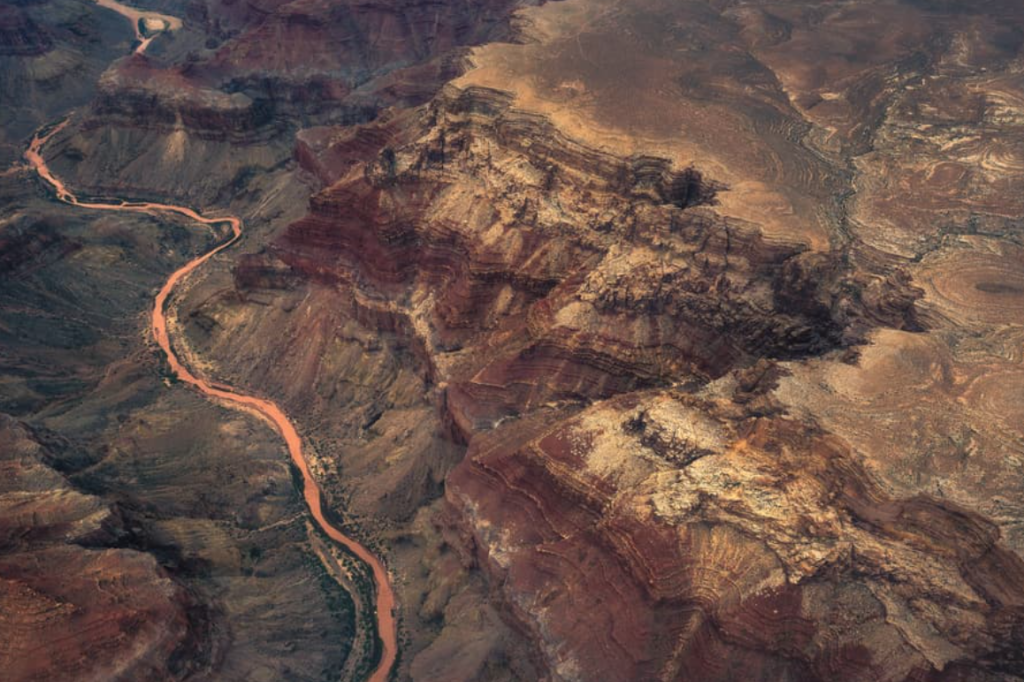
Aerial tours offer a transformative perspective most ground-based shots cannot replicate. Small aircraft cover vast stretches of the canyon to capture the river’s serpentine curves from above, while helicopters drop closer to cliff walls for dramatic low-angle frames. Both are worthy splurge options if your day schedule allows space for a flight session between morning and evening viewpoint stops.
Simple safety and prep rules will protect both you and your camera gear in arid canyon conditions. Spring and autumn deliver the mildest shooting temperatures, avoiding summer’s extreme heat that risks heat exhaustion on trails. Always carry ample water for hiking segments, and secure travel insurance to cover potential rescue costs if you overextend on trails. Lodging inside South Rim books months in advance, so last-day visitors usually stay in nearby Tusayan; North Rim accommodation is extremely limited and seasonal only.
Wrap your one-day itinerary around three core shooting windows: sunrise at an eastern overlook, midday detail-focused rim walking or an aerial flight, and sunset along Hermit Road’s western points. Skip overcrowded midday wide shots to focus on small foreground subjects like weathered driftwood or layered stone, and you’ll leave with a diverse outdoor photography portfolio even with limited hours inside the Grand Canyon National Park.