Summary of DPReview Sony a7 V Review
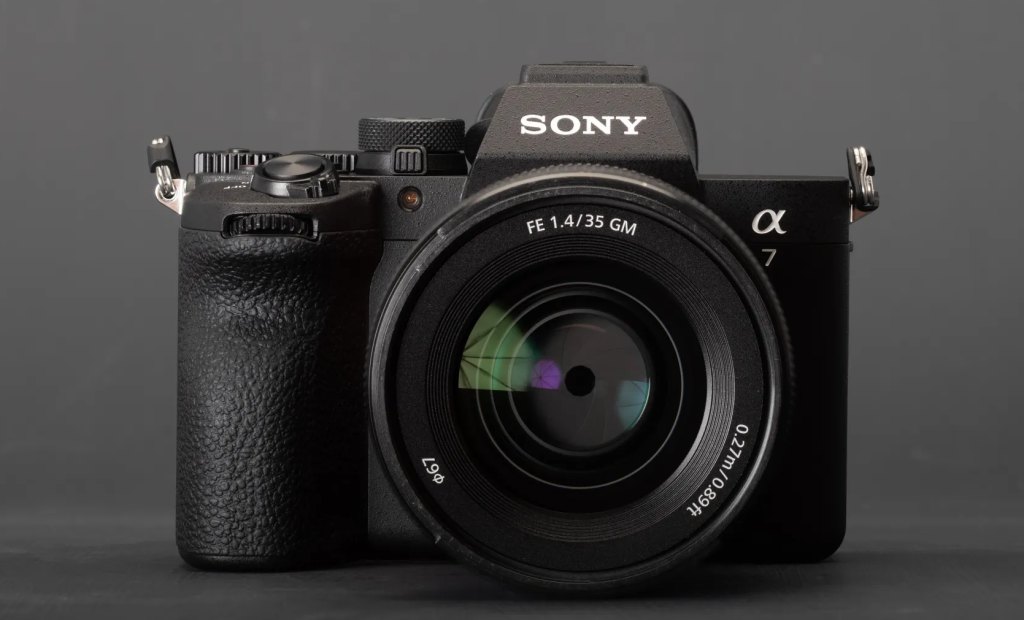
Released February 2026, the Sony a7 V retails at $2899 body-only and scores 91 overall points. It is positioned as a mid-tier hybrid full-frame mirrorless, designed to fix nearly all performance flaws seen on the older a7 IV.
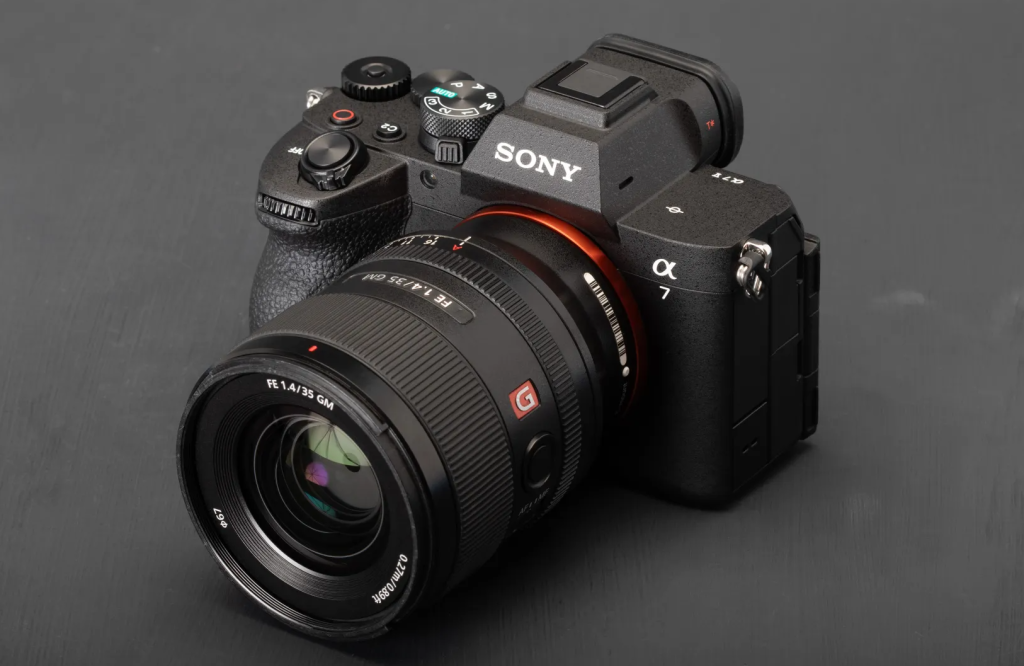
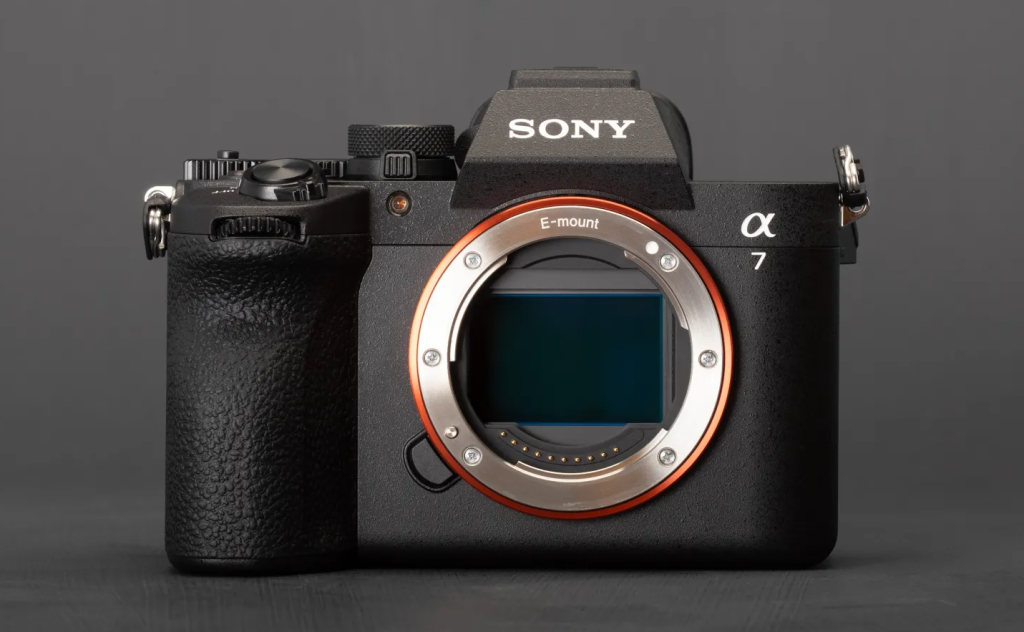
The core upgrade lies in its new 33MP partially stacked CMOS sensor paired with BIONZ XR2 processor. Sensor read speed is vastly improved, supporting blackout-free 30fps 14-bit electronic burst shooting, a massive jump from the a7 IV’s slow 10fps limit. It also brings adjustable pre-burst capture that saves up to one second of footage before full shutter press.
Stills imaging gets stronger dynamic range thanks to dual conversion gain readout, which only activates under mechanical shutter modes. Its 7.5EV five-axis IBIS also outperforms the 5.5EV stabilization of its predecessor. A lightweight new Raw format is added to cut file size without obvious quality loss, though third-party software support remains limited at launch.
The AF system borrows Sony’s latest AI recognition engine from high-end models. It can track humans, animals, birds, insects, vehicles and planes, plus an auto detection mode users can filter to avoid false locks. Eye tracking accuracy rises greatly for partially blocked subjects, and the camera runs 60 AF calculations each second.
Video capabilities receive full upgrades over the a7 IV. It delivers full-width 7K-oversampled 4K 60p, alongside cropped 4K 120p. New AI tools include auto framing and advanced digital stabilization that holds subjects centered during handheld movement, while S-Log3, S-Cinetone and custom LUT import are all supported.
Thermal performance is optimized with graphite heat sinks inside the IBIS unit. It can record roughly 90 minutes of 4K 60p at room temperature, and 60 minutes under 41°C hot conditions, solving the overheating issues of past mid-range Sony bodies.
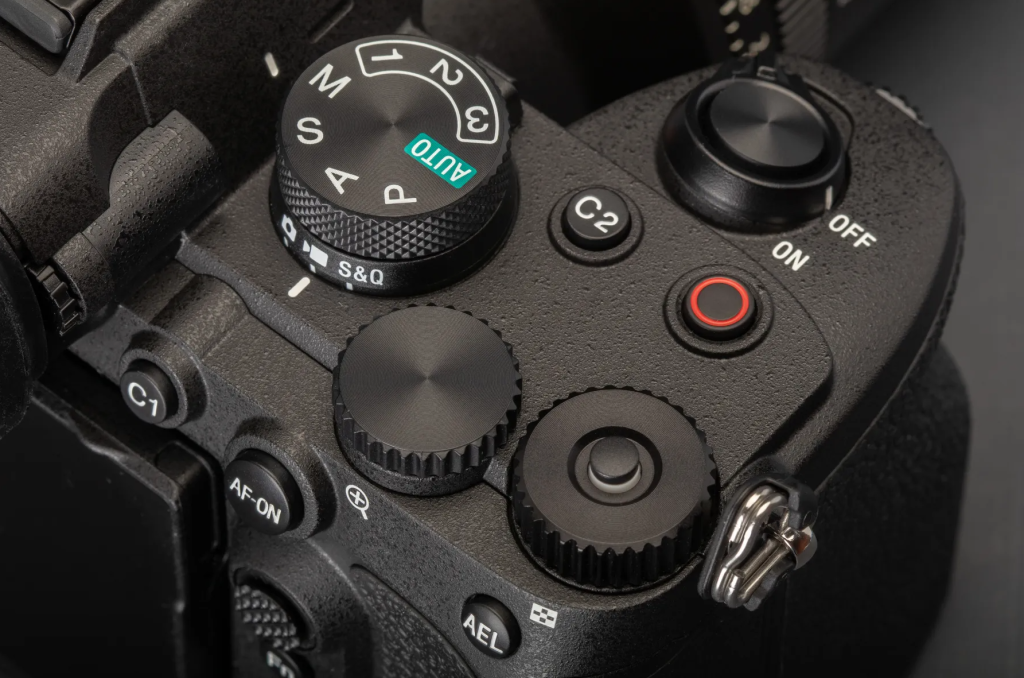
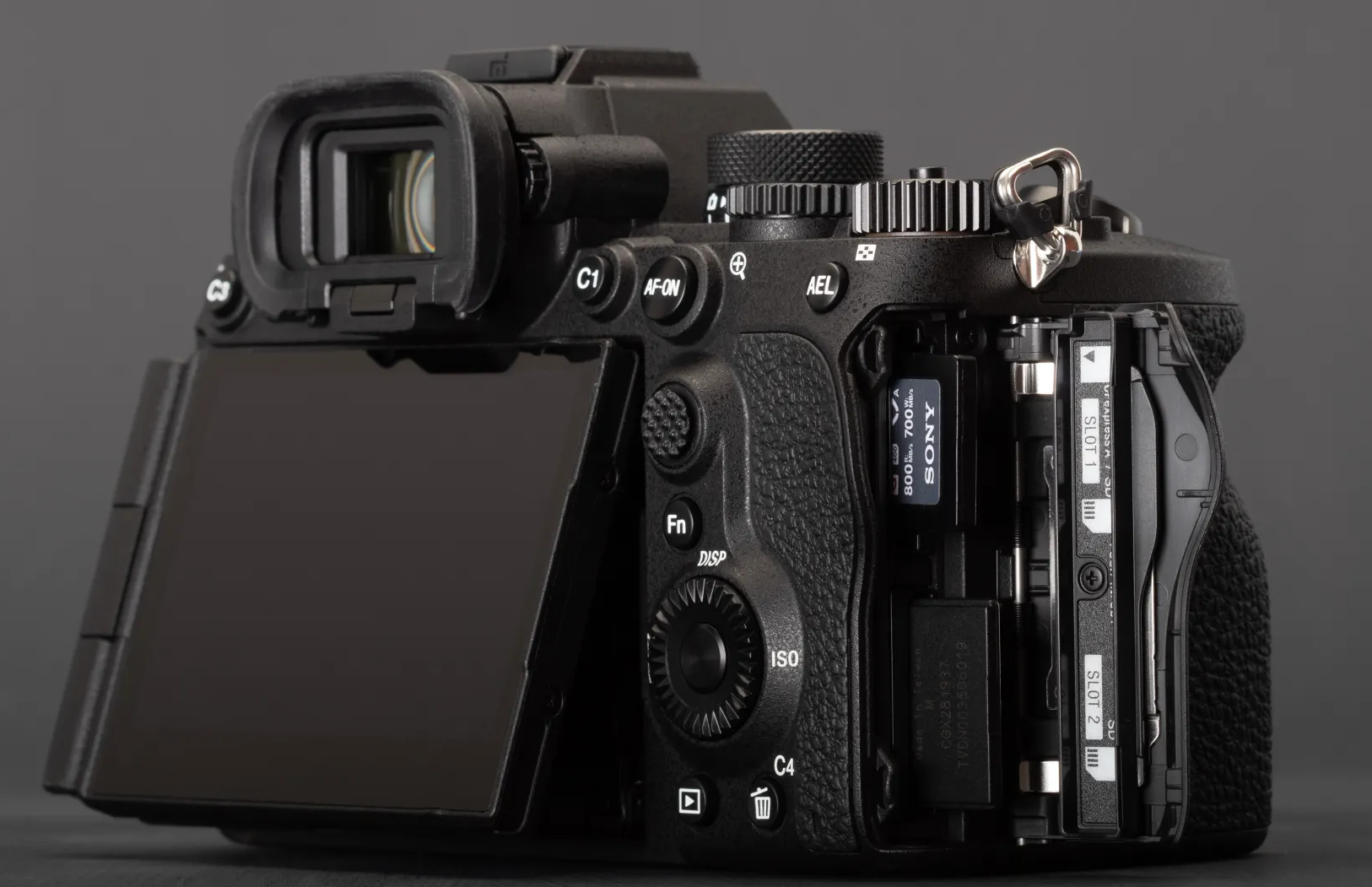
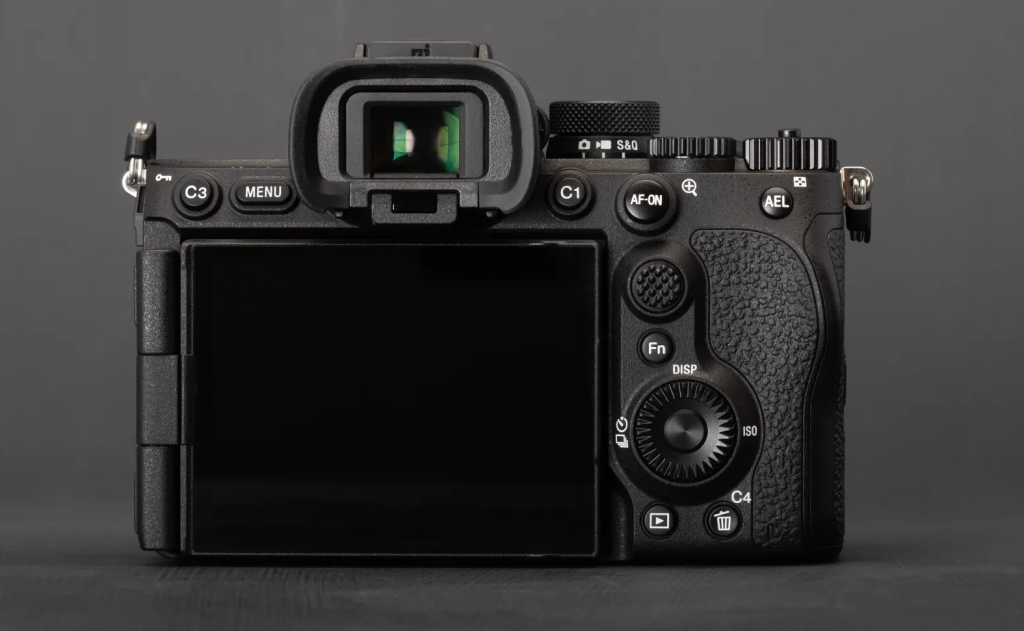
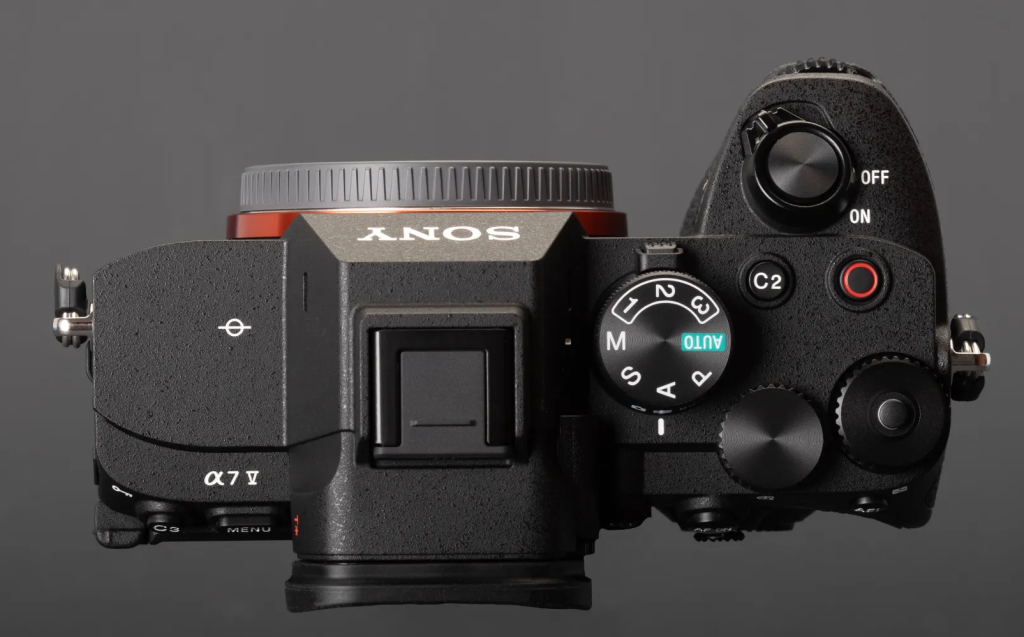
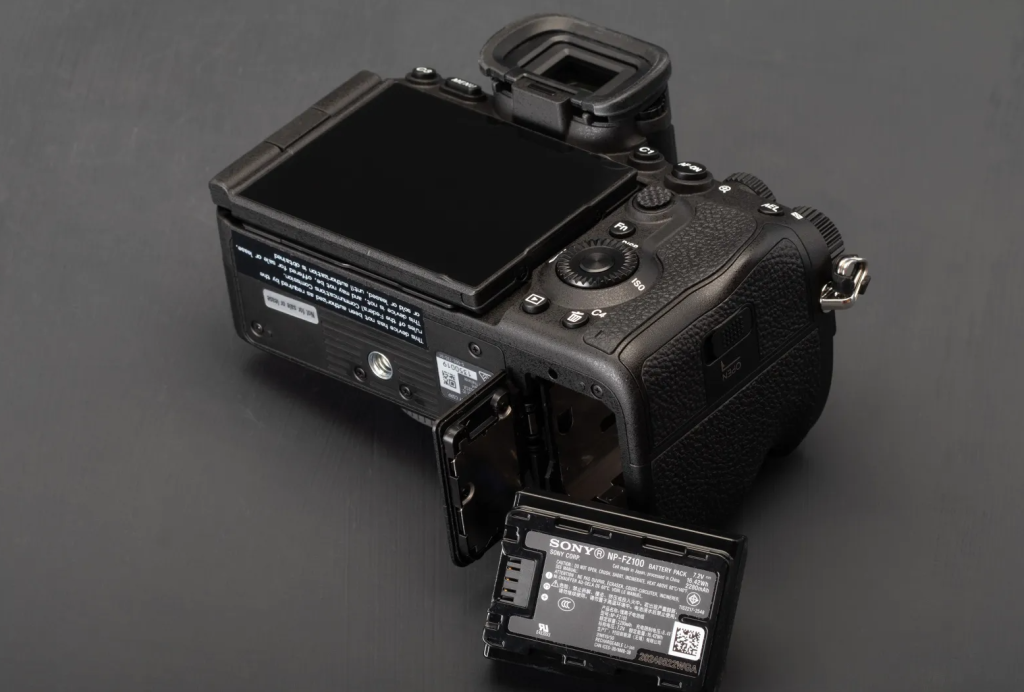
For physical design, the camera retains a similar chassis to the a7 IV with a reshaped grip, though testers noted the grip feels uncomfortable during long shooting sessions. It features a 3.2-inch fully articulating 2.09M-dot rear screen and a fixed 3.69M-dot OLED viewfinder that defaults to lower resolution to save battery.
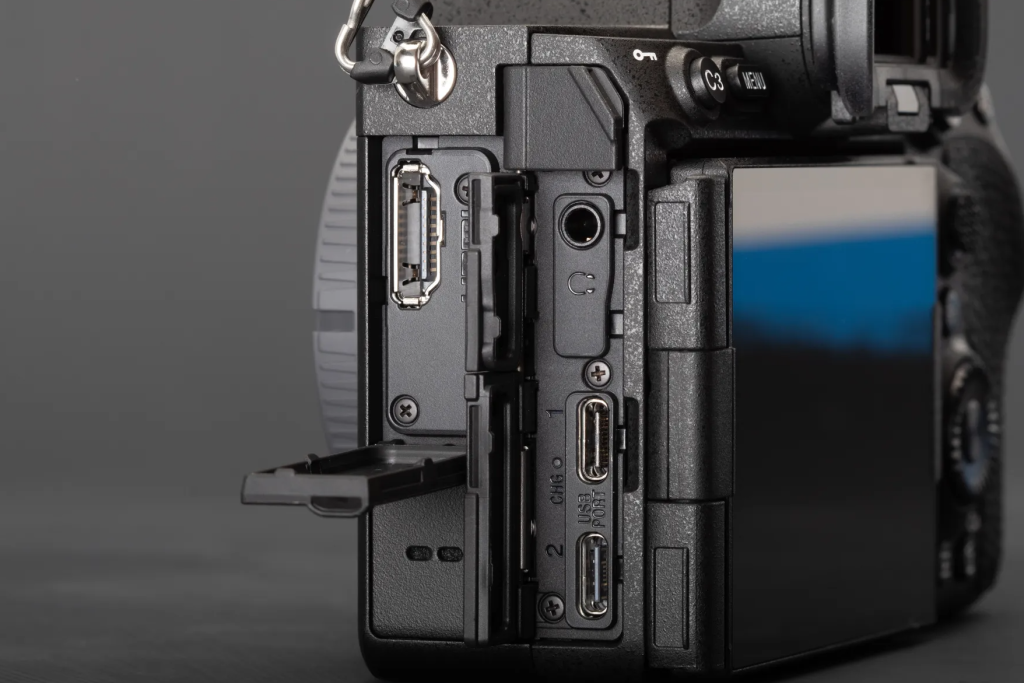
A standout hardware change is dual separated USB-C ports. The top port handles 10Gbps fast file transfers, while the lower one supports USB-PD continuous power supply, removing the old Micro multi-terminal port from previous generations. It keeps the same NP-FZ100 battery, hitting CIPA ratings of 630 EVF shots and 750 LCD shots.
Sony’s updated menu system offers more customization but still suffers messy layout and confusing wording. Many core functions require switching multiple settings to activate, such as pre-burst shooting or HLG still capture, creating extra workflow steps for daily use. It cannot simultaneously shoot Raw and HLG HEIF photos, and lacks in-camera Raw processing tools.
When stacked against competitors including Canon R6 III and Panasonic S1II, the a7 V leads in all-around autofocus reliability and E-mount lens ecosystem richness. Rivals take the upper hand with internal Raw video, waveform monitoring and open-gate recording formats that the Sony omits.
Its high ISO performance delivers usable JPEGs with effective noise reduction, though Raw files show slightly more visible grain than Canon and Panasonic counterparts at extreme high sensitivity. Color science is tweaked from the a7 IV for more natural, pleasing out-of-court tones without heavy oversaturation.
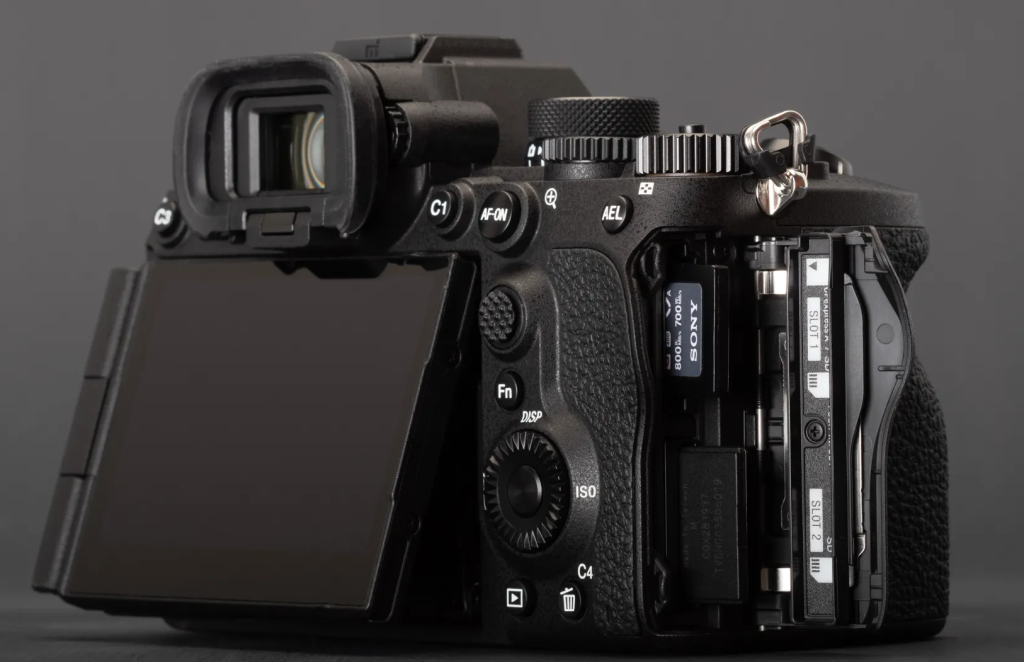
Final evaluation labels the a7 V Sony’s most well-rounded non-professional full-frame camera. It handles travel, portrait, wildlife and vlogging tasks equally well, with the main downsides being awkward grip ergonomics, cluttered menus and a few missing professional video aids favored by dedicated filmmakers.